Medicaid

new and noteworthy

Medicaid work requirements

Medicaid and the Road Ahead: Spending Cuts, Work Requirements and What’s Next for States, Providers and Families

Event Date:

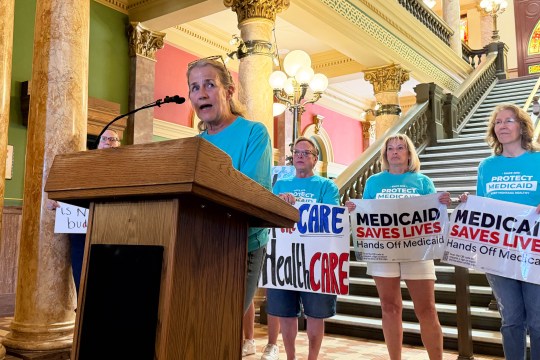
Passed last year, President Trump’s One Big Beautiful Bill Act made significant changes to Medicaid—the primary insurance provider for health and long-term care for people with low incomes. These changes are expected to lead to coverage loss for many current enrollees and will reduce funding for Medicaid, placing new financial pressures on states and health care providers. On July 23, KFF and States Newsroom hosted an event focused on the impacts of work requirements and other federal policy changes on states, health care systems, and people.

understanding medicaid

Medicaid Financing

Medicaid represents $1 out of every $5 spent on health care in the U.S. and is the major source of financing for states to provide health coverage and long-term care. This brief examines key questions about Medicaid financing and how it works.

Medicaid Program Integrity

This brief explains what is known about improper payments and fraud and abuse in Medicaid and describes ongoing state and federal actions to address program integrity.

Medicaid and Provider Taxes

All states except Alaska cover some state Medicaid costs with taxes on health care providers. This brief describes states’ current provider taxes and explores how rules governing provider taxes are changing.

Medicaid and Hospitals

Absorbing reductions in Medicaid spending could be challenging for hospitals, particularly for those that are financially vulnerable. This brief provides data on the reach of Medicaid across hospitals, patients, and charity care.

Medicaid Home Care

This issue brief provides an overview of what Medicaid home care (also known as “home- and community-based services”) is, who is covered, and what services were available in 2025.

Dual Eligibles

Stay informed.

Stay informed.

Filter

121 - 130 of 2,737 Results

  • Medicaid Financing: The Basics

    Issue Brief

    Medicaid represents $1 out of every $5 spent on health care in the U.S. and is the major source of financing for states to provide health coverage and long-term services and supports for low-income residents. This brief examines key questions about Medicaid financing and how it works.

  • Health Insurer Financial Performance in 2024

    Issue Brief

    This analysis of trends in health insurers’ financial data shows that insurers’ gross margins per enrollee dipped slightly in 2024 across four markets, remaining highest in the Medicare Advantage market, followed by the individual (non-group) market, the fully insured group (employer) market, and Medicaid managed care. The analysis also examines insurers’ medical-loss ratios across the four markets.

  • What Newly Released Medicaid Data Do and Don’t Tell Us

    Policy Watch

    On February 14, 2026, CMS released a dataset with provider-level spending data that the agency suggests could be used to identify unusual billing patterns for specific services, states, or providers. This policy watch describes what the data include, what they exclude, and how they could potentially lead to mistaken conclusions given the limitations of the data.

  • Community Health Center Patients, Financing, and Services

    Issue Brief

    Community health centers served more than 32 million patients in medically underserved urban and rural areas in 2024. This brief reports on health center patients, services, and financing in 2024, using national data from the Uniform Data System (UDS).