Medicaid

new and noteworthy

Medicaid work requirements

Medicaid and the Road Ahead: Spending Cuts, Work Requirements and What’s Next for States, Providers and Families

Event Date:

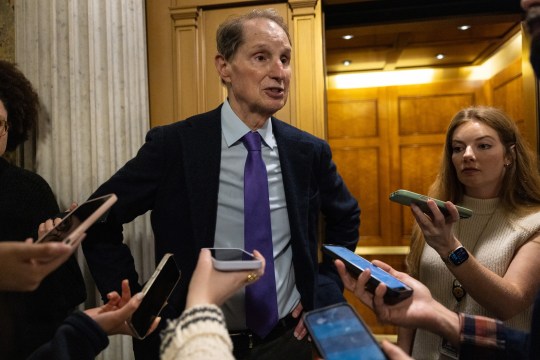
Passed last year, President Trump’s One Big Beautiful Bill Act made significant changes to Medicaid—the primary insurance provider for health and long-term care for people with low incomes. These changes are expected to lead to coverage loss for many current enrollees and will reduce funding for Medicaid, placing new financial pressures on states and health care providers. On July 23, KFF and States Newsroom hosted an event focused on the impacts of work requirements and other federal policy changes on states, health care systems, and people.

understanding medicaid

Medicaid Financing

Medicaid represents $1 out of every $5 spent on health care in the U.S. and is the major source of financing for states to provide health coverage and long-term care. This brief examines key questions about Medicaid financing and how it works.

Medicaid Program Integrity

This brief explains what is known about improper payments and fraud and abuse in Medicaid and describes ongoing state and federal actions to address program integrity.

Medicaid and Provider Taxes

All states except Alaska cover some state Medicaid costs with taxes on health care providers. This brief describes states’ current provider taxes and explores how rules governing provider taxes are changing.

Medicaid and Hospitals

Absorbing reductions in Medicaid spending could be challenging for hospitals, particularly for those that are financially vulnerable. This brief provides data on the reach of Medicaid across hospitals, patients, and charity care.

Medicaid Home Care

This issue brief provides an overview of what Medicaid home care (also known as “home- and community-based services”) is, who is covered, and what services were available in 2025.

Dual Eligibles

Stay informed.

Stay informed.

Filter

111 - 120 of 2,738 Results

  • Health Care on the Brink of the Fiscal Cliff

    Event Date:
    Event

    The Alliance for Health Reform and the Kaiser Family Foundation present a November 16 briefing to discuss the components of this key policy crossroads with a particular emphasis on the implications for health programs and the health care industry. Automatic cuts would not apply to Medicaid, but Medicare providers would experience 2 percent payment cuts. The reductions would likely be larger for discretionary health programs, such as those funded as part of the National Institutes…

  • Making Health Care Work for American Families: Medicaid and Access to Care

    Event Date:
    Event

    Diane Rowland, executive vice president of the Kaiser Family Foundation and executive director of the Foundation's Commission on Medicaid and the Uninsured, testified March 24, 2009, before the House Energy and Commerce Subcommittee on Health as part of a hearing entitled “Making Health Care Work for American Families: Access to Care." Rowland, appearing as part of a panel, addressed why Medicaid can be a platform for health care reform and can be instrumental in efforts…

  • The Crunch Continues: Medicaid Spending, Coverage and Policy in the Midst of a Recession

    Event Date:
    Event

    This annual 50-state survey finds that number of people on Medicaid and state spending on the program are climbing sharply as a result of the recession, straining state budgets and pressuring officials to curb costs despite increased financial help from the federal government through the American Recovery and Reinvestment Act (ARRA). The survey finds that these trends are expected to continue well into the 2010 fiscal year, with the slumping economy contributing to the loss…

  • The Part D Experience: What are the Lessons for Broader Medicare Reform?

    Event Date:
    Event

    Launched in 2006, Medicare added a prescription drug benefit that relies entirely on private plans, while, for other benefits, beneficiaries have a choice between private health plans and traditional fee-for-service Medicare. As policymakers consider changes to Medicare that would give an even greater role to private health plans in caring for Medicare’s nearly 50 million seniors and people with disabilities, the Kaiser Family Foundation hosted a policy workshop to examine how the Part D experience…

  • Briefing on State Medicaid Programs, the Recession and Health Reform

    Event Date:
    Event

    The Kaiser Family Foundation's Commission on Medicaid and the Uninsured (KCMU) held a 9:30 a.m. ET briefing on Thursday, September 30 to examine the challenges facing states as they continue to struggle with the lingering impacts of the recession and begin preparing to implement health reform. Three reports were released at the event: Hoping for Economic Recovery, Preparing for Reform: A Look at Medicaid Spending, Coverage and Policy Trends: Results from a 50-State Medicaid Budget…

  • The New Health Reform Law and Medicaid

    Event Date:
    Event

    This briefing, cosponsored by the Alliance for Health Reform and the Kaiser Family Foundation, explores the provisions of the Patient Protection and Affordable Care Act (PPACA) and the Health Care and Education Reconciliation Act of 2010 (HCERA). A panel of experts explain how PPACA and HCERA affect Medicaid, and answer questions about their Medicaid-specific provisions, including Medicaid eligibility, financing, and other implementation issues. For more information, please visit Alliance's event page. Full Video   Speakers…

  • Rising Health Pressures in an Economic Recession

    Event Date:
    Event

    As millions of people lose their jobs and job-based health insurance during the recession, the Kaiser Family Foundation has several reports and a video that shed light on the rising toll on American families and the public programs that many depend on to fill the gap during times of crisis. Rising Health Pressures in an Economic Recession: A 360-Degree Look at Four Communities, and a companion video, On the Edge: Health Care in the Recession…