Women's Health Policy

ABORTION IN THE U.S.

The Status of Abortion-related State Ballot Initiatives Since Dobbs

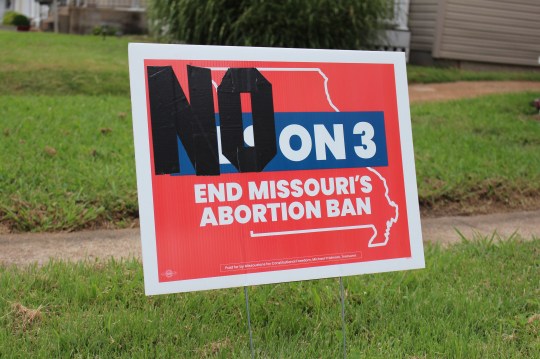
Since the Supreme Court’s Dobbs decision, overturning Roe v. Wade, voters in 17 states have weighed in on ballot measures regarding abortion — some more than once. In November 2026, voters in Idaho, Missouri, Nevada, and Virginia will weigh in on abortion measures that could change the legal status of abortion in their state. In addition, a measure in Colorado is in the process of collecting signatures.
CONTRACEPTIve care IN THE U.S.

SELECTED RESOURCES

Over-the-Counter Oral Contraceptive Pills

In July 2023, the FDA approved Opill, the first daily oral contraceptive pill to become available over the counter (OTC) without a doctor’s prescription. This issue brief provides an overview of OTC oral contraceptives and laws and policies related to insurance coverage.

featured

A promotional image for the the KFF Health Policy 101 Issues in Women’s Health chapter

Health Policy Issues in Women’s Health

Examine the core health coverage and access issues —shaped by federal and state policies—that affect women’s health today, including health coverage and costs, reproductive health services, maternal health, mental health, and intimate partner violence.

State Profiles for Women’s Health

Explore the latest national and state-specific data and policies on women’s health. Topics include health status, insurance and Medicaid coverage, use of preventive services, sexual health, maternal and infant health, and abortion policies. Many indicators provide state-level information for women of different racial and ethnic groups.

The essentials
  • Women’s Health Insurance Coverage

    This factsheet reviews major sources of coverage for women residing in the U.S., discusses the ACA's impact on coverage, and the coverage challenges that many women continue to face.
  • Medicaid Coverage for Women

    This data note presents key data points describing the current state of the Medicaid program as it affects women, including eligibility, reproductive health, chronic conditions, and more.
  • Dobbs: What are the Implications for Racial Disparities?

    This analysis examines the implications of the Dobbs decision and state restrictions on abortion coverage for racial disparities in access to care and health outcomes.
  • State Health Facts: Women's Health Indicators

    Information on women’s health status, utilization of services, health insurance coverage, family planning and childbirth, and abortion statistics and policies.
  • Key Facts on Abortion in the United States

    This report answers some key questions about abortion in the United States and presents data collected before the overturn of Roe v. Wade.

Stay informed.

Stay informed.

Filter

851-860 of 880 results

  • KFF Examines Key Considerations for the Implementation of Insurance Coverage for Over-the-Counter Contraceptives

    News Release

    With federal regulators seeking public input on the potential benefits, costs, and implementation considerations of requiring private health insurance plans to cover over-the-counter preventive products without a prescription, a new KFF post explores the issues relevant to covering over-the-counter contraceptives. These contraceptives include Opill, the first daily oral contraceptive pill to receive FDA approval for over-the-counter availability. The analysis draws on the lessons learned from KFF staff interviews with more than 80 key players nationally…

  • How Pending Health-Related Lawsuits Could be Impacted by the Incoming Trump Administration

    Issue Brief

    This brief provides an overview of current lawsuits in health policy including preventive services, abortion care, gender affirming care, Medicare drug price negotiations, nursing home staffing rules, private coverage consumer protections, and protections and health coverage for Deferred Action for Childhood Arrivals (DACA) recipients; how they may be affected by the incoming Trump administration; and the implications of their potential outcomes.

  • Coverage of Sexual and Reproductive Health Services in Medicare

    Issue Brief

    This brief describes Medicare coverage of sexual and reproductive health services, including contraception, and compares that coverage with private insurance plans and Medicaid. These benefits are particularly relevant to nearly 1 million women of reproductive age (20-49) who are eligible for Medicare due to having a long-term disability.

  • 10 Key Facts About Women with Medicare

    Issue Brief

    This brief examines 10 key facts about women with Medicare and presents new statistics on the health, economic and functional status of women with Medicare.

  • Challenges and Strategies in Expanding Non-Traditional Pregnancy-Related Services: Findings from a Survey of State Medicaid Programs

    Issue Brief

    A growing number of states have added Medicaid coverage of non-traditional pregnancy-related care and services in recent years, such as doula services, lactation services, and home visiting programs, to promote better maternal and infant health outcomes and reduce racial/ethnic health disparities. This brief explores state strategies and challenges in promoting access to these services.

  • KFF Examines Implications of Dobbs-era Abortion Bans and Restrictions for Miscarriage or Stillbirth

    News Release

    In a new brief, KFF explores how abortion bans and restrictions in the aftermath of the Supreme Court’s 2022 Dobbs decision can further complicate pregnancy loss.  Pregnancy loss, which includes miscarriage and stillbirth, is common, and for many people, it is a physically, mentally, and emotionally taxing experience. The medical interventions used to manage miscarriages and stillbirths are often the same medicines and procedures used in abortions, which means abortion bans and restrictions can end…

  • What Would Another Trump Presidency Mean for Health Care?

    Perspective

    In a new column in JAMA Health Forum, Larry Levitt, KFF’s executive vice president for health policy, explores what a second Trump presidency might mean for health policy based on his record and remarks, including potentially weakening the Affordable Care Act, reducing federal Medicaid costs, and restricting access to abortion.

  • Want to Learn About Women’s Health in your State? Check out KFF’s Updated Interactive Dashboard

    News Release

    KFF recently updated its interactive dashboard with national and state data on women’s health, as well as information about various policies that affect women’s health. The dashboard provides instant access the most up-to-date state level indicators of women’s health in the U.S. Many of the indicators also provide national and state-level information for women of different racial and ethnic groups. Dashboard topics include: Abortion availability, coverage, and use by race/ethnicity. Maternal and infant mortality, preterm…

  • Since Dobbs, Few Large Firms Have Changed Their Plan’s Abortion Coverage Policy

    News Release

    According to an analysis of responses to KFF’s Employer Health Benefits Survey in 2023, relatively few (8%) large firms (with 200 or more workers) offering health benefits report reducing or expanding coverage for abortion since the U.S. Supreme Court overturned Roe v. Wade with the Dobbs v. Jackson ruling. Since Dobbs, 3% of these large firms reduced or eliminated coverage for abortion where it is legal. Meanwhile, 12% of large firms whose largest plan covers…