Women's Health Policy

ABORTION IN THE U.S.

Variability in Rebimbursement Rates for State-funded Abortion Services for Medicaid Enrollees: A 2026 Update

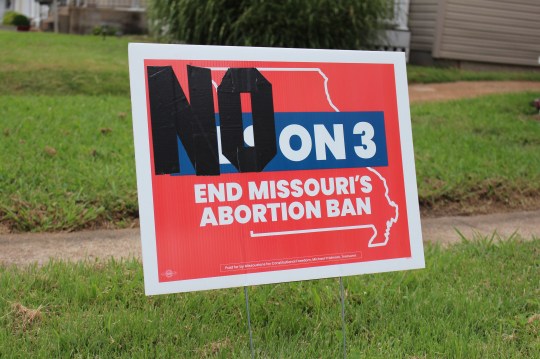
This analysis reveals that while more states have begun using their own funds to cover abortion services for Medicaid enrollees since the U.S. Supreme Court’s Dobbs decision, only a handful have significantly increased reimbursement rates for providers, potentially undermining access to care for low-income patients. After examining physician fee schedules for abortions provided to Medicaid enrollees since 2024, KFF finds that reimbursement rates vary dramatically across states, and that most states don't substantially increase payment rates for later-pregnancy procedures, despite their higher costs and complexity.

CONTRACEPTIve care IN THE U.S.

An Update on Medicaid, Title X and Planned Parenthood

This brief provides an update on Planned Parenthood clinic closures and participation in the Title X program amid substantial policy changes resulting in funding reductions. These changes include the One Big Beautiful Bill Act and the withholding of federal Title X funding to Planned Parenthood clinics.

SELECTED RESOURCES

Over-the-Counter Oral Contraceptive Pills

In July 2023, the FDA approved Opill, the first daily oral contraceptive pill to become available over the counter (OTC) without a doctor’s prescription. This issue brief provides an overview of OTC oral contraceptives and laws and policies related to insurance coverage.

featured

A promotional image for the the KFF Health Policy 101 Issues in Women’s Health chapter

Health Policy Issues in Women’s Health

Examine the core health coverage and access issues —shaped by federal and state policies—that affect women’s health today, including health coverage and costs, reproductive health services, maternal health, mental health, and intimate partner violence.

State Profiles for Women’s Health

Explore the latest national and state-specific data and policies on women’s health. Topics include health status, insurance and Medicaid coverage, use of preventive services, sexual health, maternal and infant health, and abortion policies. Many indicators provide state-level information for women of different racial and ethnic groups.

The essentials
  • Women’s Health Insurance Coverage

    This factsheet reviews major sources of coverage for women residing in the U.S., discusses the ACA's impact on coverage, and the coverage challenges that many women continue to face.
  • Medicaid Coverage for Women

    This data note presents key data points describing the current state of the Medicaid program as it affects women, including eligibility, reproductive health, chronic conditions, and more.
  • Dobbs: What are the Implications for Racial Disparities?

    This analysis examines the implications of the Dobbs decision and state restrictions on abortion coverage for racial disparities in access to care and health outcomes.
  • State Health Facts: Women's Health Indicators

    Information on women’s health status, utilization of services, health insurance coverage, family planning and childbirth, and abortion statistics and policies.
  • Key Facts on Abortion in the United States

    This report answers some key questions about abortion in the United States and presents data collected before the overturn of Roe v. Wade.

Stay informed.

Stay informed.

Filter

791 - 800 of 876 Results

  • Two National Surveys: Views of Americans and Health Care Providers on Medical Abortion

    Other Post

    Will 1999 Be The Year For Mifepristone (RU-486)?And, An Update on Women's Other Options for Very Early Abortion September 16, 1998 Briefing Participants: Janet Benshoof PresidentCenter for Reproductive Law & Policy120 Wall Street, 18th FloorNew York, NY 10005Press Contact: Margie Kelly212/514-5534 Jacqueline E. Darroch, PhDSenior Vice PresidentThe Alan Guttmacher Institute120 Wall StreetNew York, NY 10005 Vanessa Northington Gamble, MD, PhDAssociate ProfessorHistory of Medicine and Family Medicine, and DirectorCenter for the Study of Race and Ethnicity…

  • National Council of Jewish Women features article on “Diagnosing Women’s Health Care”

    Other Post

    National Council of Jewish Women features article on “Diagnosing Women’s Health Care” Kaiser Vice President and Director of Women's Health Policy, Alina Salganicoff, authored an article titled "Diagnosing Women’s Health Care" featured in the National Council of Jewish Women's magazine, NCJW Journal, volume 29. The article highlights the special challenges that many women face in affording and accessing comprehensive health care in the U.S. It discusses the state of women's health coverage, emerging issues for…

  • Early Sexual Experiences: How Voluntary? How Violent?

    Report

    Edward Laumann, Ph.D., Department of Sociology, University of Chicago, shares findings from the 1994 National Health and Social Life Survey, which suggest that having a violent or coercive first sexual experience is not as rare an occurrence as had been previously believed. Seminar participants -- experts on sexuality and sexual relationships -- debate the prevalence and consequences of abusive and negative first sexual experiences. This publication was produced as part of an ongoing seminar series,…

  • Toplines/Survey: HTML format

    Other Post

    Kaiser Family Foundation Survey on Teens and Sex: What They Say Teens Today Need to Know, And Who They Listen To Final Topline: Teenager Interview June 24, 1996 Conducted for The Henry J. Kaiser Family Foundationby Princeton Survey Research Associates Number of Interviews: 1,510 teenagers age 12-18 Margin of Error: plus or minus 3 percentage points Dates of Interviewing: March 28 - May 5, 1996 Introduction: Hello, my name is __________ and I'm calling for…

  • It’s Your (Sex) Life:  Your Guide to Safe and Responsible Sex

    Other Post

    Contraception 911 If a condom breaks, a diaphragm slips, or you realize after having sex that you forgot to take the pill for three days in a row, it can be enough to make the calmest person very upset! Fortunately, there is something you can do. If you act within 72 hours after unprotected intercourse, two doses of a special combination of birth control pills, available by prescription, can prevent or delay ovulation and reduce…

  • COVID-19 Puts Medication Abortion in the Spotlight

    News Release

    A new Coronavirus Policy Watch post from KFF explores how state responses to limit abortion access during the COVID-19 pandemic has drawn renewed attention to the provision of medication abortion using telemedicine approaches.  Medication abortion via telemedicine is a method that can be used to safely provide women with access to abortion care while social distancing, preserving personal protective equipment, and limiting risk of exposure to coronavirus. A new telemedicine protocol --“no-test” medication abortions-- has…

  • At-Home SARS-CoV-2 Testing: What Are the Options?

    Interactive

    This interactive table includes vendors selling at-home SARS-CoV-2 diagnostic tests that have received emergency use authorization (EUA) from the Food and Drug Administration (FDA).