Women's Health Policy

ABORTION IN THE U.S.

The Status of Abortion-related State Ballot Initiatives Since Dobbs

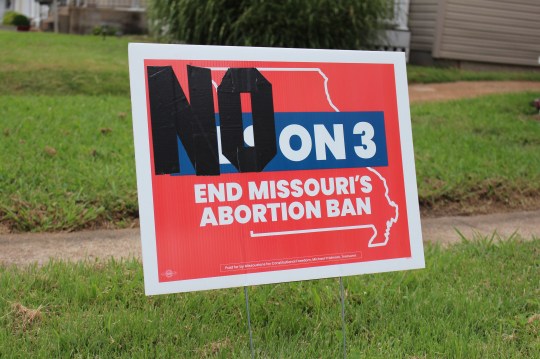
Since the Supreme Court’s Dobbs decision, overturning Roe v. Wade, voters in 17 states have weighed in on ballot measures regarding abortion — some more than once. In November 2026, voters in Idaho, Missouri, Nevada, and Virginia will weigh in on abortion measures that could change the legal status of abortion in their state. In addition, a measure in Colorado is in the process of collecting signatures.
CONTRACEPTIve care IN THE U.S.

SELECTED RESOURCES

Over-the-Counter Oral Contraceptive Pills

In July 2023, the FDA approved Opill, the first daily oral contraceptive pill to become available over the counter (OTC) without a doctor’s prescription. This issue brief provides an overview of OTC oral contraceptives and laws and policies related to insurance coverage.

featured

A promotional image for the the KFF Health Policy 101 Issues in Women’s Health chapter

Health Policy Issues in Women’s Health

Examine the core health coverage and access issues —shaped by federal and state policies—that affect women’s health today, including health coverage and costs, reproductive health services, maternal health, mental health, and intimate partner violence.

State Profiles for Women’s Health

Explore the latest national and state-specific data and policies on women’s health. Topics include health status, insurance and Medicaid coverage, use of preventive services, sexual health, maternal and infant health, and abortion policies. Many indicators provide state-level information for women of different racial and ethnic groups.

The essentials
  • Women’s Health Insurance Coverage

    This factsheet reviews major sources of coverage for women residing in the U.S., discusses the ACA's impact on coverage, and the coverage challenges that many women continue to face.
  • Medicaid Coverage for Women

    This data note presents key data points describing the current state of the Medicaid program as it affects women, including eligibility, reproductive health, chronic conditions, and more.
  • Dobbs: What are the Implications for Racial Disparities?

    This analysis examines the implications of the Dobbs decision and state restrictions on abortion coverage for racial disparities in access to care and health outcomes.
  • State Health Facts: Women's Health Indicators

    Information on women’s health status, utilization of services, health insurance coverage, family planning and childbirth, and abortion statistics and policies.
  • Key Facts on Abortion in the United States

    This report answers some key questions about abortion in the United States and presents data collected before the overturn of Roe v. Wade.

Stay informed.

Stay informed.

Filter

781-790 of 880 results

  • Will 1999 Be The Year For Mifepristone (Ru-486)? And, An Update on Women’s Other Options for Very Early Abortion

    Other Post

    National Survey of Women's Health Care Providers on Medical Abortion September 16, 1998 One in Two Ob/Gyns Say They are Likely to Offer Mifepristone (RU-486) If Approved by FDA, And Almost Half Who Do Not Now Provide Abortions Say They Would Provide the Medical Alternative Many Family Practice Physicians, Nurse Practitioners and Physician AssistantsAlso Report Interest Menlo Park, CA - In the coming year, the Food and Drug Administration (FDA) is expected to complete its…

  • Health Coverage and Access:  Policy Issues For Women

    Report

    Health Coverage and Access: Policy Issues For Women This chartpack provides briefing materials that review the key health coverage and access concerns facing American women. Issues that are addressed include women's role in the health system, insurance coverage and access to care, managed care, contraceptive coverage, Medicare reform, and assistance with long-term care. Chart Pack

  • 2008 Election Briefs

    Poll Finding

    Health care remains among the top three election issues voters want to hear the presidential candidates discuss. Kaiser's new series of election briefs frame the challenges the heath care system faces, provide basic facts, and offer questions to assess the presidential candidates' plans on key health policy issues. Check back for more issue briefs.  Eliminating Racial/Ethnic Disparities in Health Care: What are the Options  Health Care Costs and Election 2008  Women's Health and Election 2008…

  • President Obama’s Campaign Position on Health Reform and Other Health Care Issues

    Issue Brief

    During the 2008 Presidential campaign now President Barack Obama announced a comprehensive health care reform proposal and laid out his positions on a number of other key health care issues. The two documents below summarize these campaign policies and positions. They were prepared by the Kaiser Family Foundation with the assistance of Health Policy Alternatives, Inc., and are based on information compiled from Obama's campaign Web site, speeches, campaign debates and news reports. They are…

  • Assessing the Presidential Candidates’ Positions on Women’s Health Coverage and Reproductive Health Care

    Issue Brief

    Women's health has been a key issue in the 2012 election with the candidates, President Barack Obama and former Massachusetts Governor Mitt Romney, having different views on women's health care. This brief discusses two major health care issues that are important to women – health coverage and reproductive health care – and summarizes the presidential candidates' stated positions on these topics.

  • Kaiser Family Foundation/ Self National Survey on Women’s Health Policy Priorities & Election 2000, Summary of Findings and Questionnaire

    Report

    The Kaiser Family Foundation and Self magazine have partnered on a nationally representative survey of more than 1000 Americans, ages 18 and older, to examine how women (and men) rate the importance of health policy issues from abortion to HIV/AIDS to Medicare in the upcoming election. Highlights from the survey include Americans views about politicians health care promises as well as which candidate Americans trust with the health care issues that are most important to…

  • Health Insurance Coverage Of Low-Income Women

    Fact Sheet

    Low-income women's high rate of health problems and limited economic resources make access to health care and adequate health insurance coverage particularly important. Health coverage, whether through the private sector or publicly through Medicaid, has been demonstrated to improve access to care for low-income women. However, obtaining coverage is not easy or even possible for many women. Job-based insurance is not always an option for low-income women, despite their high workforce participation. Assistance is available…

  • Sex Education in the U.S.: Policy and Politics

    Other Post

    This issue brief examines the federal, state and local policies that guide approaches to sex education today. It also examines recent research into community-level experiences and practices, as well as emerging evidence about the effectiveness of different types of sex education curricula. Issue Update:

  • Contraception in the 90’s:  Which Methods Are Most Widely Used? And, Who Uses What?

    Fact Sheet

    Contraception in the 90's: Which Methods Are Most Widely Used? And, Who Uses What? A fact sheet and resource list on new contraceptive use data from the 1995 National Survey of Family Growth (NSFG) from a briefing on the topic held in New York City on June 20, 1997. Contraception In The 90s: Which Methods Are Most Widely Used?And, Who Uses What? was co-sponsored by the Kaiser Family Foundation, the National Press Foundation and The…