Women's Health Policy

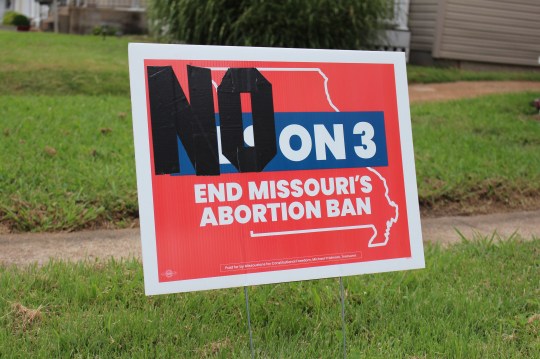
ABORTION IN THE U.S.

CONTRACEPTIve care IN THE U.S.

New and noteworthy

Over-the-Counter Oral Contraceptive Pills

In July 2023, the FDA approved Opill, the first daily oral contraceptive pill to become available over the counter (OTC) without a doctor’s prescription. This issue brief provides an overview of OTC oral contraceptives and laws and policies related to insurance coverage.

featured

A promotional image for the the KFF Health Policy 101 Issues in Women’s Health chapter

Health Policy Issues in Women’s Health

Examine the core health coverage and access issues —shaped by federal and state policies—that affect women’s health today, including health coverage and costs, reproductive health services, maternal health, mental health, and intimate partner violence.

State Profiles for Women’s Health

Explore the latest national and state-specific data and policies on women’s health. Topics include health status, insurance and Medicaid coverage, use of preventive services, sexual health, maternal and infant health, and abortion policies. Many indicators provide state-level information for women of different racial and ethnic groups.

The essentials
  • Women’s Health Insurance Coverage

    This factsheet reviews major sources of coverage for women residing in the U.S., discusses the ACA's impact on coverage, and the coverage challenges that many women continue to face.
  • Medicaid Coverage for Women

    This data note presents key data points describing the current state of the Medicaid program as it affects women, including eligibility, reproductive health, chronic conditions, and more.
  • Dobbs: What are the Implications for Racial Disparities?

    This analysis examines the implications of the Dobbs decision and state restrictions on abortion coverage for racial disparities in access to care and health outcomes.
  • State Health Facts: Women's Health Indicators

    Information on women’s health status, utilization of services, health insurance coverage, family planning and childbirth, and abortion statistics and policies.
  • Key Facts on Abortion in the United States

    This report answers some key questions about abortion in the United States and presents data collected before the overturn of Roe v. Wade.

Subscribe to KFF Emails

Choose which emails are best for you.
Sign up here

Filter

711 - 720 of 868 Results

  • Medicaid Managed Care and the Provision of Family Planning Services

    Report

    Three quarters of reproductive age women on Medicaid are enrolled in managed care arrangements. This analysis explores the experiences and perspectives of leaders of Medicaid Managed Care Organizations (MCOs) in structuring their networks and services to provide family planning and reproductive health services to women. It finds that MCOs rely heavily on safety net clinics including Community Health Centers and Family Planning Clinics such as Planned Parenthood to provide in-network family planning services to their members. MCO leaders also identified churning in enrollment, the high costs of stocking IUDs and implants, global hospital payment methodologies for maternity care, and the inclusion of faith-based providers in plan networks as potential barriers to certain family planning services.

  • Maternity Care and Consumer-Driven Health Plans

    Report

    Maternity Care and Consumer-Driven Health Plans This report compares out-of-pocket costs of maternity care under 12 consumer-driven health plans (CDHP) from the group and individual markets to a traditional health insurance plan.

  • Women’s Health Care Chartbook: Key Findings From the Kaiser Women’s Health Survey

    Report

    The Women's Health Care Chartbook presents findings from a national survey of women ages 18 to 64 and provides a look at the experience of women in the health care system. The chartbook includes data on insurance coverage, affordability of and access to care, use of health care services, prevention, and family health.

  • Speaker Biographies

    Other Post

    Sandra P SPEAKER BIOGRAPHIES SANDRA P. ARNOLD Sandra P. Arnold is Vice President, Corporate Affairs, and Acting Secretary of the Population Council. Her responsibilities encompass information systems, finance and accounting, human resources, publications and public information, contract administration, product licensing, legal affairs, and industry relationships.

  • Microbicides: So, What Are They? And Why Should You Care?

    Other Post

    Some think they could be the biggest news for women since the pill. What are they? Microbicides. Scientists around the world are working to develop gels, creams, and other products that destroy or disable the viruses and bacteria that cause HIV and other sexually transmitted diseases (STDs).