Women's Health Policy

ABORTION IN THE U.S.

The Status of Abortion-related State Ballot Initiatives Since Dobbs

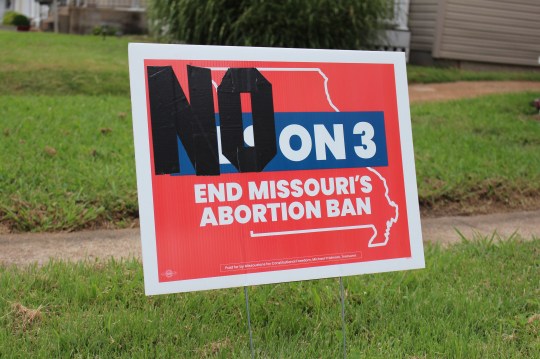
Since the Supreme Court’s Dobbs decision, overturning Roe v. Wade, voters in 17 states have weighed in on ballot measures regarding abortion — some more than once. In November 2026, voters in Idaho, Missouri, Nevada, and Virginia will weigh in on abortion measures that could change the legal status of abortion in their state. In addition, a measure in Colorado is in the process of collecting signatures.
CONTRACEPTIve care IN THE U.S.

SELECTED RESOURCES

Over-the-Counter Oral Contraceptive Pills

In July 2023, the FDA approved Opill, the first daily oral contraceptive pill to become available over the counter (OTC) without a doctor’s prescription. This issue brief provides an overview of OTC oral contraceptives and laws and policies related to insurance coverage.

featured

A promotional image for the the KFF Health Policy 101 Issues in Women’s Health chapter

Health Policy Issues in Women’s Health

Examine the core health coverage and access issues —shaped by federal and state policies—that affect women’s health today, including health coverage and costs, reproductive health services, maternal health, mental health, and intimate partner violence.

State Profiles for Women’s Health

Explore the latest national and state-specific data and policies on women’s health. Topics include health status, insurance and Medicaid coverage, use of preventive services, sexual health, maternal and infant health, and abortion policies. Many indicators provide state-level information for women of different racial and ethnic groups.

The essentials
  • Women’s Health Insurance Coverage

    This factsheet reviews major sources of coverage for women residing in the U.S., discusses the ACA's impact on coverage, and the coverage challenges that many women continue to face.
  • Medicaid Coverage for Women

    This data note presents key data points describing the current state of the Medicaid program as it affects women, including eligibility, reproductive health, chronic conditions, and more.
  • Dobbs: What are the Implications for Racial Disparities?

    This analysis examines the implications of the Dobbs decision and state restrictions on abortion coverage for racial disparities in access to care and health outcomes.
  • State Health Facts: Women's Health Indicators

    Information on women’s health status, utilization of services, health insurance coverage, family planning and childbirth, and abortion statistics and policies.
  • Key Facts on Abortion in the United States

    This report answers some key questions about abortion in the United States and presents data collected before the overturn of Roe v. Wade.

Stay informed.

Stay informed.

Filter

701-710 of 880 results

  • Is There a Health Care Vote? More for Democrats and Women than Other Groups

    News Release

    About One Third of Americans Perceive Wide-Scale Effort to Limit Women’s Reproductive Health Choices and Services; Most Who Do Say the Effort is a ‘Bad Thing’ Health care is one of many issues that will be important for voters in the presidential election, particularly for Democrats and women, finds the March Kaiser Health Tracking Poll. More than a third (36%) of voters consider health care “extremely important” to their vote in this year’s presidential election,…

  • Contraceptive-Only Plans: Questions and Answers

    Perspective

    In this post on The Huffington Post, Alina Salganicoff and Laurie Sobel offer a Q&A on “contraceptive-only” plans, an approach mentioned during oral arguments in the U.S. Supreme Court case Zubik v. Burwell. In the Zubik case, a group of religiously affiliated nonprofits with religious objections to providing birth control coverage seek an exemption from the Affordable Care Act's provision requiring most plans to offer such coverage without cost-sharing.

  • Health Policy Resources for Covering the 2020 Elections

    News Release

    As the 2020 Election Day approaches, many candidates continue to focus on health care issues, including on the public health and economic response to COVID-19, the future of the Affordable Care Act, health care costs and abortion. To help reporters understand and cover these issues, KFF offers independent, non-partisan policy analysis, polling and other research and has experts who can provide context, explain trade-offs and provide key data points on health care issues that may arise…

  • A Reconfigured U.S. Supreme Court: Implications for Health Policy

    Issue Brief

    U.S. Supreme Court decisions shape health policy in important ways. The nomination of Judge Amy Coney Barrett, if confirmed, is expected to establish a solid 6:3 conservative majority that could affect case outcomes in several areas. This issue brief considers the potential implications of a reconfigured Court for health policy issues, including those already on the Court’s docket for the coming term and those that the Court may choose to consider in this term or…

  • Women’s Health on the Ballot

    Issue Brief

    Voters in three states will decide on four ballot measures in November that could play a significant role in shaping policies and programs that impact women’s health, including abortion, sex education, and paid leave. This brief examines the initiatives and their potential effects.

  • Pre-Existing Condition Prevalence Among Women Under Age 65

    Issue Brief

    We analyzed data from the 2018 National Health Interview Survey (NHIS) and 2018 Behavioral Risk Factor Surveillance System (BRFSS) to calculate prevalence rates of declinable health conditions. This data note looks at the share of adults ages 18-64 with declinable pre-existing conditions, with a particular focus on women.

  • Expanding Postpartum Medicaid Coverage

    Issue Brief

    This brief discusses Medicaid’s eligibility for pregnancy and postpartum care, gaps in coverage particularly in states that have not expanded Medicaid under the ACA, and several state and federal efforts to extend postpartum coverage to more women for a longer period of time.