Women's Health Policy

ABORTION IN THE U.S.

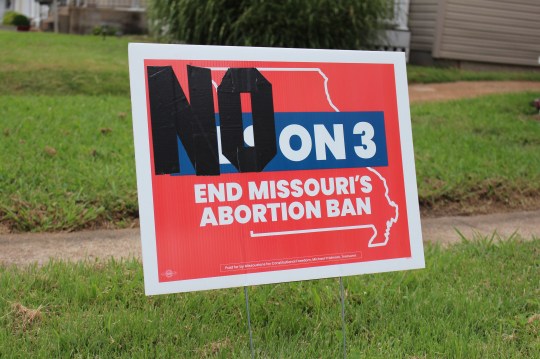
The Status of Abortion-related State Ballot Initiatives Since Dobbs

Since the Supreme Court’s Dobbs decision, overturning Roe v. Wade, voters in 17 states have weighed in on ballot measures regarding abortion — some more than once. In November 2026, voters in Idaho, Missouri, Nevada, and Virginia will weigh in on abortion measures that could change the legal status of abortion in their state. In addition, a measure in Colorado is in the process of collecting signatures.
CONTRACEPTIve care IN THE U.S.

SELECTED RESOURCES

Over-the-Counter Oral Contraceptive Pills

In July 2023, the FDA approved Opill, the first daily oral contraceptive pill to become available over the counter (OTC) without a doctor’s prescription. This issue brief provides an overview of OTC oral contraceptives and laws and policies related to insurance coverage.

featured

A promotional image for the the KFF Health Policy 101 Issues in Women’s Health chapter

Health Policy Issues in Women’s Health

Examine the core health coverage and access issues —shaped by federal and state policies—that affect women’s health today, including health coverage and costs, reproductive health services, maternal health, mental health, and intimate partner violence.

State Profiles for Women’s Health

Explore the latest national and state-specific data and policies on women’s health. Topics include health status, insurance and Medicaid coverage, use of preventive services, sexual health, maternal and infant health, and abortion policies. Many indicators provide state-level information for women of different racial and ethnic groups.

The essentials
  • Women’s Health Insurance Coverage

    This factsheet reviews major sources of coverage for women residing in the U.S., discusses the ACA's impact on coverage, and the coverage challenges that many women continue to face.
  • Medicaid Coverage for Women

    This data note presents key data points describing the current state of the Medicaid program as it affects women, including eligibility, reproductive health, chronic conditions, and more.
  • Dobbs: What are the Implications for Racial Disparities?

    This analysis examines the implications of the Dobbs decision and state restrictions on abortion coverage for racial disparities in access to care and health outcomes.
  • State Health Facts: Women's Health Indicators

    Information on women’s health status, utilization of services, health insurance coverage, family planning and childbirth, and abortion statistics and policies.
  • Key Facts on Abortion in the United States

    This report answers some key questions about abortion in the United States and presents data collected before the overturn of Roe v. Wade.

Stay informed.

Stay informed.

Filter

681-690 of 880 results

  • Post-Election Survey: Priorities for the 106th Congress

    Poll Finding

    A national voter survey by the Kaiser Family Foundation and Harvard School of Public Health conducted shortly after the November congressional elections in 1998. The purpose is to gauge voters' priorities for the next Congress, both generally and with specific regard to health care issues. The survey also measures voter attitudes on Medicare and HMO reform, proposals to help the uninsured, and abortion. The survey was conducted by Princeton Survey Research Associates. TOPLINE Download CHARTPACK…

  • Hormonal Contraception Forty Years After Approval of

    Other Post

    "the Pill" This issue update reviews the research to date on the Pill the oldest hormonal contraceptive option as well as current medical recommendations concerning what women should know to make an informed choice about which contraceptive method to use. Issue Update: "the Pill"

  • Contraceptive Use and Methods in the U.S.

    Fact Sheet

    This fact sheet reviews contraceptive use and methods in the U.S., including current attitudes about contraception, use by adolescents and young adults, various contraception options, and insurance coverage. Fact Sheet (.pdf)

  • National Survey of Women about their Knowledge, Attitudes, and Practices Regarding their Reproductive Health

    Report

    Survey of Women About Their Knowledge, Attitudes, and Practices Regarding Their Reproductive Health Glamour; Kaiser Family Foundation; Princeton Survey Research Associates Summary of Major Findings February 1997 The Kaiser Family Foundation partnered with Glamour magazine on a national survey to find out how much women know about their reproductive health care needs and whether they are taking important steps to protect their reproductive health, covering such critical issues as: routine gynecological exams,contraception, emergency contraception, sexually…

  • Women’s Access to Fertility Care

    Issue Brief

    This analysis presents findings from the 2026 KFF Women’s Health Survey on women's reported need for and use of fertility services.

  • Key Facts on Abortion in the United States

    Issue Brief

    This issue brief answers some key questions about abortion in the United States and presents data collected before and new data that has been published since the overturn of Roe v. Wade.

  • Today’s Topics In Health Disparities: What Might Health Reform Mean for Women of Color?

    Event Date:
    Event

    This December 16, 2009, Today's Topics In Health Disparities webcast examined aspects of the current Senate and House health reform bills that particularly impact women of color. Women tend to be greater users of the health care system than men, have higher rates of some chronic illnesses, and have unique reproductive health care needs. Women also tend to take the lead when it comes to obtaining health care for their family members. Provisions such as…

  • Condoms in the Schools

    Report

    Researchers, educators, lawyers, and public opinion experts address the health and value issues involved in the debate over whether condoms should be available in U.S. schools today. Individual papers discuss existing programs and research, funding and policy options, and legal considerations. This publication was produced as part of the Kaiser Forums program, an ongoing series of issue-specificbriefings at which policy makers, health experts, practitioners, and others discuss and debate controversial topics related to the Foundation's…