Women's Health Policy

ABORTION IN THE U.S.

Variability in Rebimbursement Rates for State-funded Abortion Services for Medicaid Enrollees: A 2026 Update

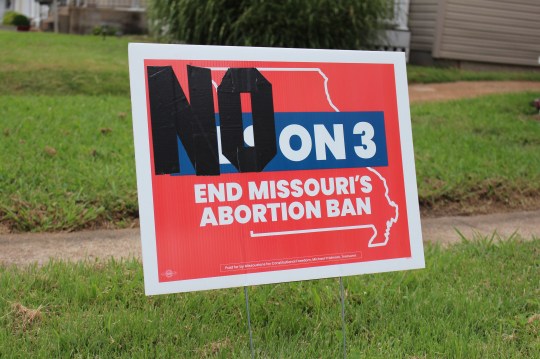
This analysis reveals that while more states have begun using their own funds to cover abortion services for Medicaid enrollees since the U.S. Supreme Court’s Dobbs decision, only a handful have significantly increased reimbursement rates for providers, potentially undermining access to care for low-income patients. After examining physician fee schedules for abortions provided to Medicaid enrollees since 2024, KFF finds that reimbursement rates vary dramatically across states, and that most states don't substantially increase payment rates for later-pregnancy procedures, despite their higher costs and complexity.

CONTRACEPTIve care IN THE U.S.

An Update on Medicaid, Title X and Planned Parenthood

This brief provides an update on Planned Parenthood clinic closures and participation in the Title X program amid substantial policy changes resulting in funding reductions. These changes include the One Big Beautiful Bill Act and the withholding of federal Title X funding to Planned Parenthood clinics.

SELECTED RESOURCES

Over-the-Counter Oral Contraceptive Pills

In July 2023, the FDA approved Opill, the first daily oral contraceptive pill to become available over the counter (OTC) without a doctor’s prescription. This issue brief provides an overview of OTC oral contraceptives and laws and policies related to insurance coverage.

featured

A promotional image for the the KFF Health Policy 101 Issues in Women’s Health chapter

Health Policy Issues in Women’s Health

Examine the core health coverage and access issues —shaped by federal and state policies—that affect women’s health today, including health coverage and costs, reproductive health services, maternal health, mental health, and intimate partner violence.

State Profiles for Women’s Health

Explore the latest national and state-specific data and policies on women’s health. Topics include health status, insurance and Medicaid coverage, use of preventive services, sexual health, maternal and infant health, and abortion policies. Many indicators provide state-level information for women of different racial and ethnic groups.

The essentials
  • Women’s Health Insurance Coverage

    This factsheet reviews major sources of coverage for women residing in the U.S., discusses the ACA's impact on coverage, and the coverage challenges that many women continue to face.
  • Medicaid Coverage for Women

    This data note presents key data points describing the current state of the Medicaid program as it affects women, including eligibility, reproductive health, chronic conditions, and more.
  • Dobbs: What are the Implications for Racial Disparities?

    This analysis examines the implications of the Dobbs decision and state restrictions on abortion coverage for racial disparities in access to care and health outcomes.
  • State Health Facts: Women's Health Indicators

    Information on women’s health status, utilization of services, health insurance coverage, family planning and childbirth, and abortion statistics and policies.
  • Key Facts on Abortion in the United States

    This report answers some key questions about abortion in the United States and presents data collected before the overturn of Roe v. Wade.

Stay informed.

Stay informed.

Filter

661 - 670 of 876 Results

  • Round 2 on the Legal Challenges to Contraceptive Coverage: Are Nonprofits “Substantially Burdened” by the “Accommodation”?

    Issue Brief

    The Affordable Care Act (ACA) requires most private health insurance plans to provide coverage for a broad range of preventive services including Food and Drug Administration (FDA) approved prescription contraceptives and services for women. Since the implementation of the ACA contraceptive coverage requirement in 2012, over 200 corporations have filed lawsuits claiming that including coverage for contraceptives or opting for an “accommodation” from the federal government violates their religious beliefs. This brief explains the legal…

  • Interactive Map Shows Recent Evolution of State Policies Shaping Access to Abortion Coverage in Medicaid and Private Insurance

    News Release

    A new interactive map from the Kaiser Family Foundation provides a broad look at states’ laws shaping access to coverage for abortion in Medicaid and private insurance. The map includes the ability to view snapshots showing the extent of such limitations in states across the nation for the years 2000, 2010 and 2014. Taken together, the maps chart the increase in such limitations over that time period. State and federal attempts to limit private insurance…

  • Gender Differences in Health Care, Status, and Use: Spotlight on Men’s Health

    Fact Sheet

    This slideshow presents findings from the 2013 Kaiser Men's and Women's Health Survey on men's health care, access and coverage, and draws comparisons to women's health care. The slideshow also presents findings for low-income and uninsured men, including financial barriers to care, frequency of clinician visits, use of prescription drugs, and the likelihood of getting counseling and screenings, such as HIV tests.

  • Medicaid and Family Planning: Background and Implications of the ACA

    Issue Brief

    This brief reviews the role of Medicaid in financing and enabling access to family planning services for low-income women; discusses how states have expanded access to these services with Medicaid; and highlights future programmatic challenges in the context of the health care delivery and coverage reforms resulting from the Affordable Care Act (ACA).

  • Women at Greatest Risk for Being Uninsured in 2012

    Feature

    Women at Greatest Risk for Being Uninsured, 2012 Download Source Kaiser Family Foundation and Urban Institute analysis of the March 2013 Current Population Survey, U.S. Bureau of the Census.   

  • A Guide to the Supreme Court’s Review of the Contraceptive Coverage Requirement

    Issue Brief

    This issue brief dissects the issues raised by the legal challenges to the Affordable Care Act’s requirement that private insurance plans include contraception as part of their coverage of preventive services for women. Over 40 for-profit corporations and over 40 nonprofit corporations have filed lawsuits claiming that the requirement to provide their employees with contraceptives violates their religious rights. On November 26, 2013, the Supreme Court agreed to hear two cases filed by for-profit corporations,…

  • Web Briefing for Journalists – Potential Changes to Health Care Access and Coverage: What’s at Stake for Women?

    Event Date:
    Event

    House Republicans’ American Health Care Act and other actions under discussion by President Donald Trump’s administration and the new Congress could profoundly affect access to health care for many women. Repeal of the Affordable Care Act, changes to its birth control coverage provision, and new state and federal abortion restrictions, along with potential funding cuts and restrictions for family planning providers, including Planned Parenthood, would significantly impact the availability and cost of women’s health care,…

  • Poll: Early Perceptions of House Bill Show Public Thinks It Would Cover Fewer People and Raise Health Costs

    News Release

    Republicans More Likely to Expect Positive Changes Than Democrats or Independents Large Majority Favors Continued Medicaid Funding to Planned Parenthood Fielded March 6-12 as Americans were first learning about the American Health Care Act and before the Congressional Budget Office estimated its effects, the latest Kaiser Tracking Poll shows that large shares of the public expect the House Republican health care plan would result in fewer people having health insurance and higher costs for people…

  • Public Opinion on Women’s Health and Preventive Care

    Feature

    This slideshow draws on findings from a recent Kaiser Health Tracking Poll to provide an in-depth look at public opinion on women's health and preventive care. Results include Americans' awareness and attitudes toward Affordable Care Act provisions for women's health and preventive care, as well as the public's views toward federal funding for Planned Parenthood and reproductive health care for lower income women.