Women's Health Policy

ABORTION IN THE U.S.

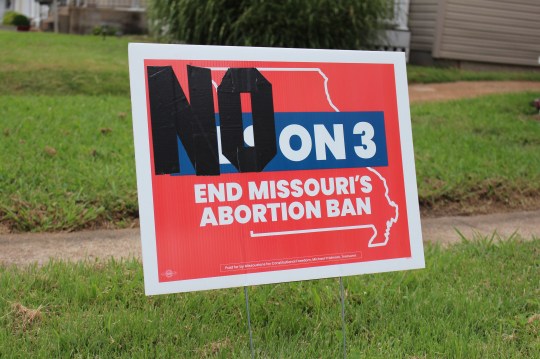
The Status of Abortion-related State Ballot Initiatives Since Dobbs

Since the Supreme Court’s Dobbs decision, overturning Roe v. Wade, voters in 17 states have weighed in on ballot measures regarding abortion — some more than once. In November 2026, voters in Idaho, Missouri, Nevada, and Virginia will weigh in on abortion measures that could change the legal status of abortion in their state. In addition, a measure in Colorado is in the process of collecting signatures.
CONTRACEPTIve care IN THE U.S.

SELECTED RESOURCES

Over-the-Counter Oral Contraceptive Pills

In July 2023, the FDA approved Opill, the first daily oral contraceptive pill to become available over the counter (OTC) without a doctor’s prescription. This issue brief provides an overview of OTC oral contraceptives and laws and policies related to insurance coverage.

featured

A promotional image for the the KFF Health Policy 101 Issues in Women’s Health chapter

Health Policy Issues in Women’s Health

Examine the core health coverage and access issues —shaped by federal and state policies—that affect women’s health today, including health coverage and costs, reproductive health services, maternal health, mental health, and intimate partner violence.

State Profiles for Women’s Health

Explore the latest national and state-specific data and policies on women’s health. Topics include health status, insurance and Medicaid coverage, use of preventive services, sexual health, maternal and infant health, and abortion policies. Many indicators provide state-level information for women of different racial and ethnic groups.

The essentials
  • Women’s Health Insurance Coverage

    This factsheet reviews major sources of coverage for women residing in the U.S., discusses the ACA's impact on coverage, and the coverage challenges that many women continue to face.
  • Medicaid Coverage for Women

    This data note presents key data points describing the current state of the Medicaid program as it affects women, including eligibility, reproductive health, chronic conditions, and more.
  • Dobbs: What are the Implications for Racial Disparities?

    This analysis examines the implications of the Dobbs decision and state restrictions on abortion coverage for racial disparities in access to care and health outcomes.
  • State Health Facts: Women's Health Indicators

    Information on women’s health status, utilization of services, health insurance coverage, family planning and childbirth, and abortion statistics and policies.
  • Key Facts on Abortion in the United States

    This report answers some key questions about abortion in the United States and presents data collected before the overturn of Roe v. Wade.

Stay informed.

Stay informed.

Filter

561-570 of 880 results

  • 1 Year Later: Medical Abortion After FDA Approval

    Report

    On September 28, 2000, the Food and Drug Administration (FDA) approved mifepristone (RU486), the first dedicated medical abortion pill regimen. Many advocates on both sides of the abortion debate predicted that arrival of this new option would transform the abortion landscape - for women, for doctors, and for politicians. So, a year later, where are we? Chart Pack

  • Financing Family Planning Services: The Impact of Reducing or Eliminating Funding

    News Release

    The American Health Care Act recently passed by the House of Representatives includes a provision to ban federal Medicaid funding of Planned Parenthood. The Trump administration has also proposed reducing funding to HHS, which funds the Title X family planning program and community health centers. A new brief from the Kaiser Family Foundation assesses the role of these programs in providing family planning care services to low-income women as well as the potential impact of…

  • Joe Biden’s Big Lead on Health Care Issues

    From Drew Altman

    In an Axios column, Drew Altman discusses how this election year health isn’t a single issue -- but several -- and Joe Biden has the edge over President Trump on all of them, even as opposition to the ACA remains popular with Trump’s base.  

  • Abortion Grows as a Motivator for Midterm Voters, Particularly for Democrats and in States Where It Has Become Illegal Since the Supreme Court Overturned Roe v. Wade

    News Release

    Few Voters Know About the Medicare Drug Provisions in the Inflation Reduction Act, Though Seniors are More Aware and Would Be Likely to Vote for Candidates Who Support Them About a month ahead of the 2022 midterm election, abortion continues to grow as a motivating issue for voters, especially among Democrats and those living in states where abortion is now illegal, the latest KFF Health Tracking Poll finds. Half (50%) of voters now say the…

  • Rebuilding the Title X Network Under the Biden Administration

    Issue Brief

    This issue brief examines what has happened to the Title X network under the Biden Administration regulations, including the number of clinics that have returned to the network, new funding, and how state policies that prohibit pregnancy options counseling that includes abortion and referrals may impact grantees' participation in the Title X program.

  • New KFF Survey Finds Abortion Remains Key Issue for Voters with Democrats Holding a Sizeable Edge over Republicans; A Third of Women Say They’ll Only Vote for Someone Who Shares Their Views

    News Release

    Nine months ahead of the first presidential primary of the 2024 election season, many voters, especially women, say candidates’ views on abortion will again be a key issue, and Democrats hold a strong edge over Republicans on the issue, a new KFF Health Tracking Poll finds.Three in 10 registered voters (30%) – and a third of women voters (35%) – say they will only vote for a candidate who shares their views on abortion. This…

  • A Focus on Contraception in the Wake of Dobbs

    Perspective

    In this commentary for Women’s Health Issues, a publication of the Jacobs Institute of Women’s Health, KFF experts discuss contraceptive coverage and financing policies, access points within the delivery system, and the role of mis- and disinformation.