Women's Health Policy

ABORTION IN THE U.S.

Variability in Rebimbursement Rates for State-funded Abortion Services for Medicaid Enrollees: A 2026 Update

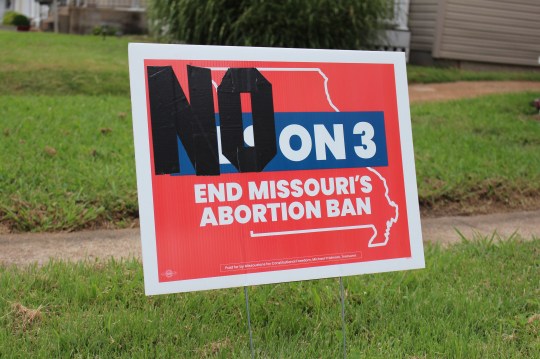
This analysis reveals that while more states have begun using their own funds to cover abortion services for Medicaid enrollees since the U.S. Supreme Court’s Dobbs decision, only a handful have significantly increased reimbursement rates for providers, potentially undermining access to care for low-income patients. After examining physician fee schedules for abortions provided to Medicaid enrollees since 2024, KFF finds that reimbursement rates vary dramatically across states, and that most states don't substantially increase payment rates for later-pregnancy procedures, despite their higher costs and complexity.

CONTRACEPTIve care IN THE U.S.

An Update on Medicaid, Title X and Planned Parenthood

This brief provides an update on Planned Parenthood clinic closures and participation in the Title X program amid substantial policy changes resulting in funding reductions. These changes include the One Big Beautiful Bill Act and the withholding of federal Title X funding to Planned Parenthood clinics.

SELECTED RESOURCES

Over-the-Counter Oral Contraceptive Pills

In July 2023, the FDA approved Opill, the first daily oral contraceptive pill to become available over the counter (OTC) without a doctor’s prescription. This issue brief provides an overview of OTC oral contraceptives and laws and policies related to insurance coverage.

featured

A promotional image for the the KFF Health Policy 101 Issues in Women’s Health chapter

Health Policy Issues in Women’s Health

Examine the core health coverage and access issues —shaped by federal and state policies—that affect women’s health today, including health coverage and costs, reproductive health services, maternal health, mental health, and intimate partner violence.

State Profiles for Women’s Health

Explore the latest national and state-specific data and policies on women’s health. Topics include health status, insurance and Medicaid coverage, use of preventive services, sexual health, maternal and infant health, and abortion policies. Many indicators provide state-level information for women of different racial and ethnic groups.

The essentials
  • Women’s Health Insurance Coverage

    This factsheet reviews major sources of coverage for women residing in the U.S., discusses the ACA's impact on coverage, and the coverage challenges that many women continue to face.
  • Medicaid Coverage for Women

    This data note presents key data points describing the current state of the Medicaid program as it affects women, including eligibility, reproductive health, chronic conditions, and more.
  • Dobbs: What are the Implications for Racial Disparities?

    This analysis examines the implications of the Dobbs decision and state restrictions on abortion coverage for racial disparities in access to care and health outcomes.
  • State Health Facts: Women's Health Indicators

    Information on women’s health status, utilization of services, health insurance coverage, family planning and childbirth, and abortion statistics and policies.
  • Key Facts on Abortion in the United States

    This report answers some key questions about abortion in the United States and presents data collected before the overturn of Roe v. Wade.

Stay informed.

Stay informed.

Filter

551 - 560 of 876 Results

  • Beyond the Numbers: Access to Reproductive Health Care for Low-Income Women in Five Communities

    Report

    This report summarizes the major findings from KFF and HMA case studies in five U.S. communities, highlighting cross-cutting themes and the degree to which low-income women in diverse communities face challenges in accessing reproductive and sexual health care, as well as promising initiatives established by community providers to address barriers and improve access to these basic services.

  • Lifetime experience of IPV among women

    HIV, Intimate Partner Violence (IPV), and Women: An Emerging Policy Landscape

    Issue Brief

    Intimate partner violence has been shown to be associated with increased risk for HIV among women, as well as poorer treatment outcomes for those already diagnosed. This brief reviews the link between IPV and HIV, key policy changes and initiatives that attempt to address these challenges.

  • Sexually Transmitted Infections (STIs): An Overview, Payment, and Coverage

    Fact Sheet

    More people have health insurance than ever before under the Affordable Care Act (ACA), which emphasizes preventive care, including no-cost HIV and STI counseling and screening for recommended populations. This fact sheet examines trends and disparities in STI prevalence, reviews the STI screening and preventive care coverage policies for private insurance and public programs, and discusses coverage gaps and confidentiality concerns in the provision of these services.

  • Kaiser Family Foundation National Survey of Kids (and Their Parents) About Famous Athletes as Role Models

    Poll Finding

    With the most recent Olympics and now Major League Baseball marred by reports of the use of banned performance-enhancing drugs, a new nationwide survey by the Kaiser Family Foundation examines the influence of sports figures in kids' lives today. Based on telephone interviews with a randomly selected national sample of 1,500 children ages 10-17 years old (and 1,950 parents), the survey found that many American kids are mirroring the behavior of famous athletes - the…

  • Vital Signs Index Survey: No. 2

    Other Post

    Topline Results The Vital Signs Index is a monthly nationally representative survey of women on health policy issues. The results of the survey will inform the news segments and be made available to a wider audience of policy makers, health industry leaders, advocates and journalists. Vital Signs Index Survey Topline

  • What You Need To Know On The Pill : The Latest Research and Birth Control s Other Coming Attractions

    Other Post

    It seems that almost every week the media reports on a new study about the Pill. Forty years after the first birth control pill was approved, research continues into everything from how effective oral contraceptives are to what impact they may have on risk for breast cancer, cervical cancer, or stroke. The Pill is the most widely used reversible contraceptive today and most new birth control methods also rely on hormones just like it. Yet…

  • Contraceptive Use and Methods in the U.S.

    Fact Sheet

    This fact sheet reviews contraceptive use and methods in the U.S., including current attitudes about contraception, use by adolescents and young adults, various contraception options, and insurance coverage. Fact Sheet (.pdf)