Women's Health Policy

ABORTION IN THE U.S.

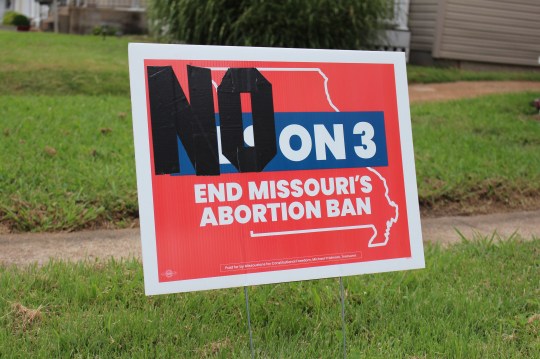
Variability in Rebimbursement Rates for State-funded Abortion Services for Medicaid Enrollees: A 2026 Update

This analysis reveals that while more states have begun using their own funds to cover abortion services for Medicaid enrollees since the U.S. Supreme Court’s Dobbs decision, only a handful have significantly increased reimbursement rates for providers, potentially undermining access to care for low-income patients. After examining physician fee schedules for abortions provided to Medicaid enrollees since 2024, KFF finds that reimbursement rates vary dramatically across states, and that most states don't substantially increase payment rates for later-pregnancy procedures, despite their higher costs and complexity.

CONTRACEPTIve care IN THE U.S.

An Update on Medicaid, Title X and Planned Parenthood

This brief provides an update on Planned Parenthood clinic closures and participation in the Title X program amid substantial policy changes resulting in funding reductions. These changes include the One Big Beautiful Bill Act and the withholding of federal Title X funding to Planned Parenthood clinics.

SELECTED RESOURCES

Over-the-Counter Oral Contraceptive Pills

In July 2023, the FDA approved Opill, the first daily oral contraceptive pill to become available over the counter (OTC) without a doctor’s prescription. This issue brief provides an overview of OTC oral contraceptives and laws and policies related to insurance coverage.

featured

A promotional image for the the KFF Health Policy 101 Issues in Women’s Health chapter

Health Policy Issues in Women’s Health

Examine the core health coverage and access issues —shaped by federal and state policies—that affect women’s health today, including health coverage and costs, reproductive health services, maternal health, mental health, and intimate partner violence.

State Profiles for Women’s Health

Explore the latest national and state-specific data and policies on women’s health. Topics include health status, insurance and Medicaid coverage, use of preventive services, sexual health, maternal and infant health, and abortion policies. Many indicators provide state-level information for women of different racial and ethnic groups.

The essentials
  • Women’s Health Insurance Coverage

    This factsheet reviews major sources of coverage for women residing in the U.S., discusses the ACA's impact on coverage, and the coverage challenges that many women continue to face.
  • Medicaid Coverage for Women

    This data note presents key data points describing the current state of the Medicaid program as it affects women, including eligibility, reproductive health, chronic conditions, and more.
  • Dobbs: What are the Implications for Racial Disparities?

    This analysis examines the implications of the Dobbs decision and state restrictions on abortion coverage for racial disparities in access to care and health outcomes.
  • State Health Facts: Women's Health Indicators

    Information on women’s health status, utilization of services, health insurance coverage, family planning and childbirth, and abortion statistics and policies.
  • Key Facts on Abortion in the United States

    This report answers some key questions about abortion in the United States and presents data collected before the overturn of Roe v. Wade.

Stay informed.

Stay informed.

Filter

361 - 370 of 876 Results

  • Get Ready for a Lot of Biden Executive Orders on Health Care

    Perspective

    In this column for the JAMA Health Forum, Larry Levitt explores what President-elect Biden might do to advance his health care vision both through legislation and through executive orders and waivers and demonstrations.

  • Two Women’s Health Policy Issues to Monitor in 2021

    News Release

    With President-elect Joe Biden and a new Congress taking office next month, newly updated KFF briefs examine two women’s health policy issues awaiting federal policymakers in 2021. President-elect Biden campaigned on reversing the Trump Administration’s regulations for the Title X family planning program, which require complete financial and physical separation from abortion services, including referrals, for family planning providers funded by the program. The Current Status of the Title X Network and the Path Forward…

  • Current Status of the Title X Network and the Path Forward

    Interactive

    This issue brief presented in a narrative story map reviews the impact the Trump Administration regulations have had on the Title X network and discusses the likely impact and limitations of the Biden Administration’s potential actions.

  • Analysis of Federal Bills to Strengthen Maternal Health Care

    Analysis of Federal Bills to Strengthen Maternal Health Care

    Fact Sheet

    The bills in this table address a number of related maternity care issues, including extending Medicaid postpartum coverage from 60 days to one year, funding for clinical training on health equity and implicit bias, developing broader networks of maternity care providers in rural areas, and research on the potential benefits of Medicaid coverage for doula care.

  • Coronavirus Puts a Spotlight on Paid Leave Policies

    Issue Brief

    As the COVID-19 pandemic grows, the Centers for Disease Control and Prevention (CDC) and other public health officials recommend that people who are sick should stay home. Benefits such as sick leave and family leave can help employees follow these guidelines; however, the U.S. does not have national standards on paid family or sick leave. The lack of a national policy means some employees are forced to take unpaid leave, or come to work when…

  • How Did the Coronavirus Pandemic Affect Health Care Provided by OBGYNs?

    News Release

    A new KFF survey of obstetrician-gynecologists (OBGYNs) offers insight into how the coronavirus pandemic has affected the provision of sexual and reproductive health care, including the growth of telehealth and the ongoing challenges and limitations of such medical visits. Key findings from the survey, which was conducted from July to September 2020, include: The majority of OBGYNs worry that patients who have experienced delays in sexual and reproductive health care will face negative health consequences…