Women's Health Policy

ABORTION IN THE U.S.

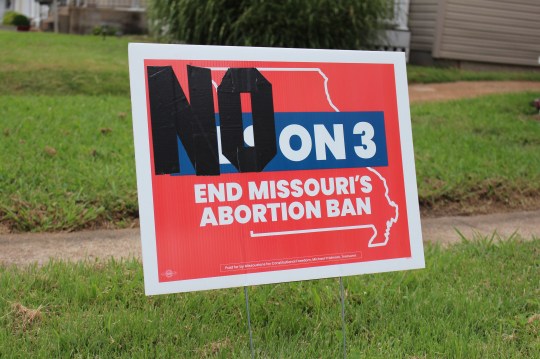
The Status of Abortion-related State Ballot Initiatives Since Dobbs

Since the Supreme Court’s Dobbs decision, overturning Roe v. Wade, voters in 17 states have weighed in on ballot measures regarding abortion — some more than once. In November 2026, voters in Idaho, Missouri, Nevada, and Virginia will weigh in on abortion measures that could change the legal status of abortion in their state. In addition, a measure in Colorado is in the process of collecting signatures.
CONTRACEPTIve care IN THE U.S.

SELECTED RESOURCES

Over-the-Counter Oral Contraceptive Pills

In July 2023, the FDA approved Opill, the first daily oral contraceptive pill to become available over the counter (OTC) without a doctor’s prescription. This issue brief provides an overview of OTC oral contraceptives and laws and policies related to insurance coverage.

featured

A promotional image for the the KFF Health Policy 101 Issues in Women’s Health chapter

Health Policy Issues in Women’s Health

Examine the core health coverage and access issues —shaped by federal and state policies—that affect women’s health today, including health coverage and costs, reproductive health services, maternal health, mental health, and intimate partner violence.

State Profiles for Women’s Health

Explore the latest national and state-specific data and policies on women’s health. Topics include health status, insurance and Medicaid coverage, use of preventive services, sexual health, maternal and infant health, and abortion policies. Many indicators provide state-level information for women of different racial and ethnic groups.

The essentials
  • Women’s Health Insurance Coverage

    This factsheet reviews major sources of coverage for women residing in the U.S., discusses the ACA's impact on coverage, and the coverage challenges that many women continue to face.
  • Medicaid Coverage for Women

    This data note presents key data points describing the current state of the Medicaid program as it affects women, including eligibility, reproductive health, chronic conditions, and more.
  • Dobbs: What are the Implications for Racial Disparities?

    This analysis examines the implications of the Dobbs decision and state restrictions on abortion coverage for racial disparities in access to care and health outcomes.
  • State Health Facts: Women's Health Indicators

    Information on women’s health status, utilization of services, health insurance coverage, family planning and childbirth, and abortion statistics and policies.
  • Key Facts on Abortion in the United States

    This report answers some key questions about abortion in the United States and presents data collected before the overturn of Roe v. Wade.

Stay informed.

Stay informed.

Filter

341-350 of 880 results

  • Emergency Contraceptive Pills

    Fact Sheet

    - Fact Sheet This fact sheet is an update on emergency contraception (EC). It includes information on EC methods, safety and side effects, and access issues. The fact sheet also provides information women's knowledge and use as well as health care provider attitudes and practices. Fact Sheet (.pdf)

  • Capitol Hill Briefing Series on Women’s Health Policy

    Other Post

    Kaiser Family Foundation Capitol Hill Briefing Series on Women's Health Policy Women's health needs and economic circumstances make health coverage and access to care important throughout their lives. They are disproportionately affected by changes in policies that impact both the private and public sectors. To provide policymakers with up-to-date information and allow for an interchange of ideas with experts in the field, the Henry J. Kaiser Family Foundation, in partnership with Women's Policy, Inc., sponsors…

  • The U.S. Government’s Efforts to Address Global Maternal, Newborn, and Child Health: The Global Health Initiative and Beyond

    Other Post

    This report examines the U.S. role in improving global maternal, newborn, and child health, including the heightened focus placed on these issues by the Administration’s Global Health Initiative. It provides an overview of international efforts and a detailed look at the U.S. government’s response to date, reviews U.S. funding trends for maternal and child health, U.S. agencies’ related activities, the contribution of key U.S. global health efforts, and U.S. participation in international multilateral efforts. It…

  • Emergency Contraception in California – Survey Report

    Report

    As the FDA continues to deliberate about whether emergency contraception will be made available "over-the-counter" without a prescription, a new Kaiser Family Foundation survey examines Californian's awareness of and experiences with emergency contraception, inlcuding findings on the state's "pharmacy access " program. California's "pharmacy access" program permits women to receive emergency contraception from participating pharmacists directly without contacting a physician , while the "over-the-counter" option the FDA is considering would allow people to obtain emergency…

  • Many States Look to Strengthen Medicaid Coverage for Maternal Health in FY2022, According to New KFF Report

    News Release

    Medicaid funds more than four in ten births in the United States and more than half in several states. A new KFF report of results from a survey of 41 states and DC finds that on the whole, states offer broad coverage for basic pregnancy-related services. Most states also reported that they are working on ways to strengthen Medicaid coverage of maternity services and are trying to respond to concerns about coverage continuity and scope…

  • KFF Health Tracking Poll: Views on and Knowledge about Abortion in Wake of Leaked Supreme Court Opinion

    Feature

    This poll analyses the general public's understanding of abortion access and reproductive health following a leaked draft of the U.S Supreme Court opinion on Dobbs v. Jackson Women's Health Center. The poll also looks at how the aftermath of the leaked opinion may affect voting in the upcoming midterm election. This KFF poll also finds that there are significant knowledge gaps on the prevalence and the overall safety of abortions.

  • Recent and Anticipated Actions to Reverse Trump Administration Section 1557 Non-Discrimination Rules

    Issue Brief

    The Biden Administration has started taking steps to reverse Trump Administration policy and regulations that significantly narrowed the implementation and administrative enforcement of Section 1557, the Affordable Care Act’s nondiscrimination provision, particularly as the regulations apply to gender identity and sexual orientation. In addition, several lawsuits challenging the regulations, which were initially issued by the Obama Administration and later substantially revised by the Trump Administration, are pending. Section 1557 prohibits discrimination based on race, color,…