Women's Health Policy

ABORTION IN THE U.S.

Variability in Rebimbursement Rates for State-funded Abortion Services for Medicaid Enrollees: A 2026 Update

This analysis reveals that while more states have begun using their own funds to cover abortion services for Medicaid enrollees since the U.S. Supreme Court’s Dobbs decision, only a handful have significantly increased reimbursement rates for providers, potentially undermining access to care for low-income patients. After examining physician fee schedules for abortions provided to Medicaid enrollees since 2024, KFF finds that reimbursement rates vary dramatically across states, and that most states don't substantially increase payment rates for later-pregnancy procedures, despite their higher costs and complexity.

CONTRACEPTIve care IN THE U.S.

An Update on Medicaid, Title X and Planned Parenthood

This brief provides an update on Planned Parenthood clinic closures and participation in the Title X program amid substantial policy changes resulting in funding reductions. These changes include the One Big Beautiful Bill Act and the withholding of federal Title X funding to Planned Parenthood clinics.

SELECTED RESOURCES

Over-the-Counter Oral Contraceptive Pills

In July 2023, the FDA approved Opill, the first daily oral contraceptive pill to become available over the counter (OTC) without a doctor’s prescription. This issue brief provides an overview of OTC oral contraceptives and laws and policies related to insurance coverage.

featured

A promotional image for the the KFF Health Policy 101 Issues in Women’s Health chapter

Health Policy Issues in Women’s Health

Examine the core health coverage and access issues —shaped by federal and state policies—that affect women’s health today, including health coverage and costs, reproductive health services, maternal health, mental health, and intimate partner violence.

State Profiles for Women’s Health

Explore the latest national and state-specific data and policies on women’s health. Topics include health status, insurance and Medicaid coverage, use of preventive services, sexual health, maternal and infant health, and abortion policies. Many indicators provide state-level information for women of different racial and ethnic groups.

The essentials
  • Women’s Health Insurance Coverage

    This factsheet reviews major sources of coverage for women residing in the U.S., discusses the ACA's impact on coverage, and the coverage challenges that many women continue to face.
  • Medicaid Coverage for Women

    This data note presents key data points describing the current state of the Medicaid program as it affects women, including eligibility, reproductive health, chronic conditions, and more.
  • Dobbs: What are the Implications for Racial Disparities?

    This analysis examines the implications of the Dobbs decision and state restrictions on abortion coverage for racial disparities in access to care and health outcomes.
  • State Health Facts: Women's Health Indicators

    Information on women’s health status, utilization of services, health insurance coverage, family planning and childbirth, and abortion statistics and policies.
  • Key Facts on Abortion in the United States

    This report answers some key questions about abortion in the United States and presents data collected before the overturn of Roe v. Wade.

Stay informed.

Stay informed.

Filter

331 - 340 of 876 Results

  • Health Coverage and Expenses: Impact on Older Women’s Economic Well-Being

    Issue Brief

    In this article in the Journal of Women, Politics & Policy, researchers from the Kaiser Family Foundation examine how health issues that women face over the course of their lives, as well as policies that shape Medicare, Medicaid and other supplemental coverage, can affect retired women's economic well-being. They found that women's health care expenses were higher than men's; that older women paid for a greater share of their total spending out of pocket and that…

  • Medicaid and Family Planning: Background and Implications of the ACA

    Issue Brief

    This brief reviews the role of Medicaid in financing and enabling access to family planning services for low-income women; discusses how states have expanded access to these services with Medicaid; and highlights future programmatic challenges in the context of the health care delivery and coverage reforms resulting from the Affordable Care Act (ACA).

  • A Gender Gap in Economic Security for Seniors

    News Release

    Following up on an earlier column for The Wall Street Journal's Think Tank on seniors and poverty, Drew Altman looks at why older women will be more at risk of economic insecurity than men in the future. All previous columns by Drew Altman are available.

  • Abortion at SCOTUS: Potential Cases this Term and Possible Rulings

    News Release

    A new KFF issue brief examines the implications of a Supreme Court with a solid conservative majority. Two abortion cases have pending requests for Supreme Court review: Dobbs v. Jackson Women’s Health Organization and FDA v. ACOG. If the Court chooses to take these cases, abortion laws and who can legally challenge them could be affected in major ways, including: The option for doctors and clinics to challenge laws regulating abortion on behalf of their…

  • Joe Biden’s Big Lead on Health Care Issues

    From Drew Altman

    In an Axios column, Drew Altman discusses how this election year health isn’t a single issue -- but several -- and Joe Biden has the edge over President Trump on all of them, even as opposition to the ACA remains popular with Trump’s base.  

  • Women’s Health on the Ballot

    Issue Brief

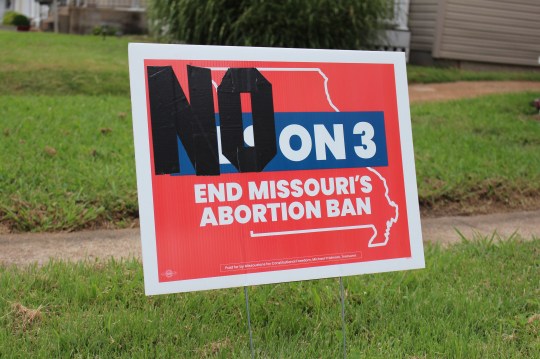
    Voters in three states will decide on four ballot measures in November that could play a significant role in shaping policies and programs that impact women’s health, including abortion, sex education, and paid leave. This brief examines the initiatives and their potential effects.

  • How Did the Coronavirus Pandemic Affect Health Care Provided by OBGYNs?

    News Release

    A new KFF survey of obstetrician-gynecologists (OBGYNs) offers insight into how the coronavirus pandemic has affected the provision of sexual and reproductive health care, including the growth of telehealth and the ongoing challenges and limitations of such medical visits. Key findings from the survey, which was conducted from July to September 2020, include: The majority of OBGYNs worry that patients who have experienced delays in sexual and reproductive health care will face negative health consequences…

  • Analysis: Opportunities Under the ACA for Addressing Intimate Partner Violence Among Women With HIV

    News Release

    An estimated 36 percent of women in the U.S. report having experienced intimate partner violence (IPV), also called domestic violence, but among HIV positive women 55 percent report such experiences. A new Kaiser Family Foundation analysis looks at opportunities to address IPV in the Affordable Care Act (ACA) that could help women who are HIV positive or at risk for HIV. The analysis, HIV, Intimate Partner Violence and Women: New Opportunities Under the Affordable Care Act, looks…