Women's Health Policy

ABORTION IN THE U.S.

The Status of Abortion-related State Ballot Initiatives Since Dobbs

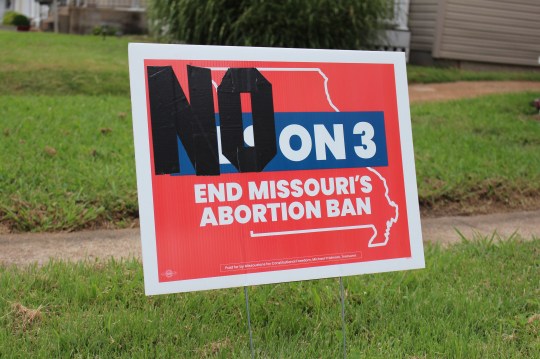
Since the Supreme Court’s Dobbs decision, overturning Roe v. Wade, voters in 17 states have weighed in on ballot measures regarding abortion — some more than once. In November 2026, voters in Idaho, Missouri, Nevada, and Virginia will weigh in on abortion measures that could change the legal status of abortion in their state. In addition, a measure in Colorado is in the process of collecting signatures.
CONTRACEPTIve care IN THE U.S.

SELECTED RESOURCES

Over-the-Counter Oral Contraceptive Pills

In July 2023, the FDA approved Opill, the first daily oral contraceptive pill to become available over the counter (OTC) without a doctor’s prescription. This issue brief provides an overview of OTC oral contraceptives and laws and policies related to insurance coverage.

featured

A promotional image for the the KFF Health Policy 101 Issues in Women’s Health chapter

Health Policy Issues in Women’s Health

Examine the core health coverage and access issues —shaped by federal and state policies—that affect women’s health today, including health coverage and costs, reproductive health services, maternal health, mental health, and intimate partner violence.

State Profiles for Women’s Health

Explore the latest national and state-specific data and policies on women’s health. Topics include health status, insurance and Medicaid coverage, use of preventive services, sexual health, maternal and infant health, and abortion policies. Many indicators provide state-level information for women of different racial and ethnic groups.

The essentials
  • Women’s Health Insurance Coverage

    This factsheet reviews major sources of coverage for women residing in the U.S., discusses the ACA's impact on coverage, and the coverage challenges that many women continue to face.
  • Medicaid Coverage for Women

    This data note presents key data points describing the current state of the Medicaid program as it affects women, including eligibility, reproductive health, chronic conditions, and more.
  • Dobbs: What are the Implications for Racial Disparities?

    This analysis examines the implications of the Dobbs decision and state restrictions on abortion coverage for racial disparities in access to care and health outcomes.
  • State Health Facts: Women's Health Indicators

    Information on women’s health status, utilization of services, health insurance coverage, family planning and childbirth, and abortion statistics and policies.
  • Key Facts on Abortion in the United States

    This report answers some key questions about abortion in the United States and presents data collected before the overturn of Roe v. Wade.

Stay informed.

Stay informed.

Filter

251-260 of 880 results

  • A Report on Women and HIV/AIDS In the U.S.

    Report

    This report maps the trajectory of the HIV/AIDS epidemic among women in the United States (U.S.), including the following: key historical epidemiological trends and the important role played by women in the response over time; the current impact of HIV among women in the U.S., including a profile of those most affected by race/ethnicity, age, transmission risk, geography, and other demographics; major sources of prevention, care, and treatment for women with and at risk for…

  • Round 2 on the Legal Challenges to Contraceptive Coverage: Are Nonprofits “Substantially Burdened” by the “Accommodation”?

    Issue Brief

    The Affordable Care Act (ACA) requires most private health insurance plans to provide coverage for a broad range of preventive services including Food and Drug Administration (FDA) approved prescription contraceptives and services for women. Since the implementation of the ACA contraceptive coverage requirement in 2012, over 200 corporations have filed lawsuits claiming that including coverage for contraceptives or opting for an “accommodation” from the federal government violates their religious beliefs. This brief explains the legal…

  • Women and HIV/AIDS in the United States Tutorial

    Interactive

    This tutorial was produced for kaiserEDU.org, a Kaiser Family Foundation website that ceased production in September 2013. The kaiserEDU.org tutorials are no longer being updated but have been made available on kff.org due to demand by professors who are using the tutorials in class assignments. You may search for other tutorials to view on kff.org. To download this or other tutorials, visit the tutorials archive page.  Slides are available for download using the “Download Slides” link within the…

  • Medicaid Managed Care and the Provision of Family Planning Services

    Report

    Three quarters of reproductive age women on Medicaid are enrolled in managed care arrangements. This analysis explores the experiences and perspectives of leaders of Medicaid Managed Care Organizations (MCOs) in structuring their networks and services to provide family planning and reproductive health services to women. It finds that MCOs rely heavily on safety net clinics including Community Health Centers and Family Planning Clinics such as Planned Parenthood to provide in-network family planning services to their…

  • Out-of-Pocket Charges for Rape Kits and Services for Sexual Assault Survivors

    Issue Brief

    Although federal legislation intends to provide no-cost rape kits to all survivors of sexual violence, some survivors still face out-of-pocket charges for minimum standard rape kit services as well as other medical care that takes place following a sexual assault. This brief examines the policies that impact coverage of health care services for survivors of sexual assault and identifies gaps in those programs and coverage for their care, particularly for women with private health insurance.

  • Despite Efforts to Prevent Out-of-Pocket Costs for Rape Kits and Services by the Violence Against Women Act, Some Women Still Face Charges

    News Release

    In the United States, more than one in three women experience sexual violence in their lifetime. Despite the intent of Violence Against Women Act (VAWA) to protect survivors from out-of-pocket spending stemming from rape kit collection services also known as a medical forensic exam (MFE), many women face health care bills because they seek those critical services. A new KFF analysis of a sample of private insurance claims from large employers finds that two-thirds (66%)…