Women's Health Policy

CONTRACEPTIve care IN THE U.S.

New and noteworthy

Medicaid Work Requirements and Women’s Coverage

This data note documents differences by sex in the work status of adult Medicaid enrollees ages 19-64 who were not receiving Supplemental Security Income (SSI) and were not dually eligible for Medicare in 2023, and highlights differences by parental status.

featured

A promotional image for the the KFF Health Policy 101 Issues in Women’s Health chapter

Health Policy Issues in Women’s Health

Examine the core health coverage and access issues —shaped by federal and state policies—that affect women’s health today, including health coverage and costs, reproductive health services, maternal health, mental health, and intimate partner violence.

State Profiles for Women’s Health

Explore the latest national and state-specific data and policies on women’s health. Topics include health status, insurance and Medicaid coverage, use of preventive services, sexual health, maternal and infant health, and abortion policies. Many indicators provide state-level information for women of different racial and ethnic groups.

The essentials
  • Women’s Health Insurance Coverage

    This factsheet reviews major sources of coverage for women residing in the U.S., discusses the ACA's impact on coverage, and the coverage challenges that many women continue to face.
  • Medicaid Coverage for Women

    This data note presents key data points describing the current state of the Medicaid program as it affects women, including eligibility, reproductive health, chronic conditions, and more.
  • Dobbs: What are the Implications for Racial Disparities?

    This analysis examines the implications of the Dobbs decision and state restrictions on abortion coverage for racial disparities in access to care and health outcomes.
  • State Health Facts: Women's Health Indicators

    Information on women’s health status, utilization of services, health insurance coverage, family planning and childbirth, and abortion statistics and policies.
  • Key Facts on Abortion in the United States

    This report answers some key questions about abortion in the United States and presents data collected before the overturn of Roe v. Wade.

Subscribe to KFF Emails

Choose which emails are best for you.
Sign up here

Filter

111 - 120 of 865 Results

  • Coverage of Contraceptive Services: A Review of Health Insurance Plans in Five States

    Report

    The Patient Protection and Affordable Care Act (ACA) requires most private plans to provide coverage for women’s preventive health care, including all prescribed FDA-approved contraceptive services, without cost sharing. To better understand how this provision is being implemented by health plans, Kaiser Family Foundation (KFF) staff, with the Lewin Group, reviewed the insurance plan coverage policies for 12 prescribed contraceptive methods (excluding oral contraceptives). This report presents information from 20 different insurance carriers in five states (California, Georgia, Michigan, New Jersey, and Texas) about how they are applying reasonable medical management (RMM) techniques in their coverage of women’s contraceptive services. The different forms of female birth control reviewed in this report include the contraceptive ring, the patch, injections, implants, intrauterine devices (IUDs), and sterilization.

  • Out-of-Pocket Charges for Rape Kits and Services for Sexual Assault Survivors

    Issue Brief

    Although federal legislation intends to provide no-cost rape kits to all survivors of sexual violence, some survivors still face out-of-pocket charges for minimum standard rape kit services as well as other medical care that takes place following a sexual assault. This brief examines the policies that impact coverage of health care services for survivors of sexual assault and identifies gaps in those programs and coverage for their care, particularly for women with private health insurance.

  • LGBT+ People’s Health and Experiences Accessing Care

    Report

    This report, based on a nationally representative survey, provides a comprehensive overview of LGBT+ people’s experiences with health and health care access. It explores general well-being, experiences engaging in the health system, sexual and reproductive health care, and the impact of COVID-19 pandemic, among other issues.

  • Access to Pregnancy and Parenting Support Services: Women’s Views and Experiences from the 2024 KFF Women’s Health Survey

    Policy Watch

    This analysis, based on findings from the 2024 KFF Women's Health Survey, focuses on women with children ages 5 & under and their perceptions on how easy or difficult they feel it is to access a range of services that are important to the health of women and families, including maternity care, Medicaid coverage, food stamps, contraceptive services, and affordable childcare.

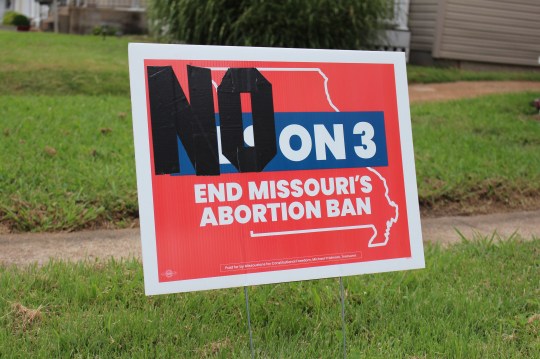
  • The Opportunities and Realities of Citizen-Initiated State Ballot Abortion Measures

    Issue Brief

    Presidential candidate Trump claims credit for SCOTUS' Dobbs decision and says that as a result, the “states are voting.” States are making decisions on abortion policy, but it’s mostly been state legislatures, not voters. Few states with abortion bans have a process for citizen-initiated constitutional amendments. In those states, lawmakers and anti-abortion activists have attempted to block abortion measures from qualifying for the ballot or put roadblocks in their place.

  • Women Voters Revisited: Inflation, Abortion, and Increased Motivation in the 2024 Election Countdown

    Poll Finding

    In a resurvey of women voters three months later, KFF uncovered substantial shifts in favor of Vice President Harris across a range of key election issues, including the handling of rising household and health care costs as well as enthusiasm for the candidates and motivation to vote. As the presidential election draws near, the survey also showed a pronounced rise in the salience of abortion for women under 30.

  • KFF Survey of Women Voters Dashboard – June Initial Survey

    Feature

    The KFF Survey of Women Voters examines differing motivations, attitudes, and experiences among women by race and ethnicity, age, and partisanship heading into the 2024 election nationally and in two battleground states, Arizona and Michigan.