Public Opinion

New and Noteworthy

Quote from KFF President and CEO Drew Altman reads, "when it comes to the “affordability crisis” driving the national discussion of health care today, the chronically ill, and most of all the chronically ill uninsured, are the tip of the spear."

The Group that Struggles the Most in American Health Care

In a new column, Dr. Drew Altman, KFF’s Founding President and CEO, previews findings about the chronically ill uninsured from a large KFF survey of 25,000 Americans focusing on the cost and access challenges facing the chronically ill, which will be released tomorrow. He writes: “There are more than enough needs to go around in American health care, but if I had to pick the one group that struggles the most with costs and access, it would be people with chronic illnesses who are also uninsured.”

Americans’ Challenges with Health Care Costs

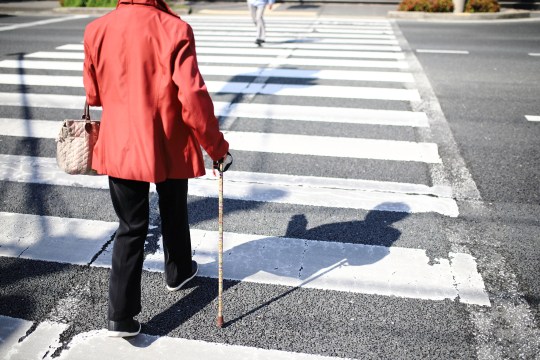
This data note reviews recent KFF polling data about Americans' struggles to afford many aspects of health care, including disproportionate shares of uninsured adults, Black and Hispanic adults, and those with lower incomes.

MAHA and the Midterms

KFF's poll finds that the cost of health care is a more prominent focus for Make America Healthy Again (MAHA) voters than issues like food and vaccine policy.

Mifepristone and the Midterms

KFF's poll finds that voters who say abortion policy is an important issue for midterm candidates to discuss are disproportionately Democrats.

Health Information and Trust

Dashboard: Polling on Health Information and Trust

Drawing on KFF’s poll findings, this interactive dashboard tracks the public’s trusted sources for health information, attitudes toward vaccines, and use of news, social media, and AI for health-related information.

Recent Polls

4 in 10 LGBTQ+ Adults, Including 6 in 10 Trans Adults, Say Their Insurer Delayed or Denied Needed Care in the Past Two Years

Examining LGBTQ+ Adults’ Experiences with Health Care Costs and Access

LGBTQ+ adults are more likely than others to postpone or skip needed care (58% vs. 38%), forgo prescription medications due to cost (22% vs. 12%), and struggle to pay medical bills (30% vs. 21%). Among LGBTQ+ adults, cost-related challenges are especially high for trans adults, those who are young, those with low incomes, and those who lack health insurance.

KFF Health Tracking Poll: Mifepristone and the Midterms

Amid an ongoing FDA re-review of mifepristone, awareness of the safety and prevalence of the abortion pill remains limited. This KFF poll also finds that the voters who say abortion policy is an important issue for 2026 midterm candidates to discuss are disproportionately Democrats.

Ebola Response and Pandemic Preparedness

Much of the public has yet to form an opinion on the U.S. government’s response to the Ebola outbreak in the Democratic Republic of the Congo, this poll finds. Four in ten adults say the U.S. is less prepared for a pandemic now than it was in 2020.

the essentials

Health Tracking Poll

Our signature survey project provides up-to-date data on the public’s health care views, knowledge, and experiences.

Tracking the Public’s Views on the ACA

Tracking the Public’s Views on the ACA

This interactive tool tracks public opinion on the Affordable Care Act, from the inception of the law to the present, including trends based on party identification, income, age, gender, and race/ethnicity.

Health Information and Trust Tracking Poll

The Health Information and Trust Tracking Poll is part of KFF’s Health Information and Trust Initiative, which tracks health misinformation and analyzes its impact on the public.

Polls in Health Policy

This chapter of our digital “textbook” explores why surveys are essential for understanding health policy issues. 

KFF/New York Times Survey of Immigrants

KFF-New York Times Survey: Immigrants Report Rising Fear, Negative Economic and Health Impacts, and Changing Political Views During the First Year of President Trump’s Second Term

The 2025 Survey of Immigrants, a partnership between KFF and The New York Times, takes an in-depth look at the experiences of immigrants during the first year of President Trump’s second term, including their worries related to increased immigration enforcement, their health and economic wellbeing, and the political views and preferences of immigrant voters. The survey paints a portrait of families under strain — where fear of detention and economic instability are negatively impacting immigrants’ health and reshaping immigrant families’ daily lives and views of U.S. political parties.

Read the News Release | Explore The New York Times’ Reporting

Stay informed.

Stay informed.

Filter

381 - 390 of 1,857 Results

  • KFF COVID-19 Vaccine Monitor: What We’ve Learned

    Poll Finding

    This brief summarizes key findings and themes from the COVID-19 Vaccine Monitor project that is tracking the dynamic nature of the U.S. public’s attitudes and experiences with COVID-19 vaccination, and is based on more than 11,000 interviews conducted since December 2020.

  • Vaccine Monitor: What We’ve Learned

    News Release

    With nearly all states poised to allow anyone at least 16 years old to get a COVID-19 vaccine, this week’s announcement pausing the distribution of the Johnson & Johnson vaccine to investigate a rare side effect is raising questions about whether and how it will affect the public’s eagerness to get vaccinated. A new report summarizes key insights about vaccine confidence, messages and messengers from the KFF COVID-19 Vaccine Monitor project, which has interviewed more…

  • Mental Health Impact of the COVID-19 Pandemic: An Update

    Poll Finding

    The latest KFF COVID-19 Vaccine Monitor finds that those hardest hit by the mental health impacts of the coronavirus pandemic have been younger people and women, including mothers. This analysis of polling data explores who has been hardest hit by mental health impacts of the COVID-19 pandemic, how experience with COVID-19 related death and worry about getting sick impact mental health. It also explores problems with access to mental health care and treatment during the…

  • Vaccine Monitor: Women and Younger Adults Hit Hardest by Mental Health Impacts Due to COVID-19

    News Release

    Gender and age differences are revealed in a new analysis that finds nearly seven in ten (69%) young women ages 18 to 29 say the COVID-19 pandemic has negatively impacted their mental health, compared to smaller shares of women who are older and men across all age groups. By mid-2020 about half (53%) of adults reported that worry and pandemic-related stress had negatively impacted their mental health. Now with millions of U.S. residents getting vaccinated…

  • Vaccine Monitor: More than Half of Rural Residents Have Gotten a COVID-19 Vaccine or Intend to Do So as Soon as Possible

    News Release

    More than half (54%) of rural adults say they have already gotten at least one dose of a COVID-19 vaccine or will do so as soon as possible, as rural residents report less issues with both supply and access than those living in urban and suburban areas, according to a new KFF COVID-19 Vaccine Monitor report focused on rural America. A somewhat larger share of rural residents (39%) than those living in urban (31%) or suburban…

  • KFF COVID-19 Vaccine Monitor- Rural America

    Poll Finding

    This report examines in depth the vaccine-related views and experiences of rural residents and shows more than half of rural adults say they have already gotten at least one dose of a COVID-19 vaccine or will do so as soon as possible. Rural residents report fewer issues with both supply and access than those living in urban and suburban areas, and a large share of rural residents say they will “definitely not” get vaccinated.

  • KFF/Post Survey Reveals the Serious Mental Health Challenges Facing Frontline Health Care Workers a Year into the COVID-19 Pandemic

    News Release

    8 in 10 Say Potentially Being Exposed to COVID-19 at Work and Putting Family Members at Risk are Sources of Stress About 1 in 6 Tested Positive for COVID-19, though Few Experienced Major Symptoms; Those Working in Nursing Homes or Assisted Living Facilities Most Likely to Report Testing Positive More than a year into the COVID-19 pandemic, a majority of frontline health care workers say the crisis is taking a toll on their mental health,…

  • KFF/The Washington Post Frontline Health Care Workers Survey

    Poll Finding

    This partnership survey with The Washington Post examines the experiences and attitudes of frontline health care workers during the coronavirus pandemic that overwhelmed many health care settings. With three COVID-19 vaccines currently being distributed to adults across the country, this project takes a look at the toll of the last year on frontline health care workers, including a look at the impact on their mental health and well being.

  • Vaccine Monitor: 6 in 10 Adults Have Either Gotten a COVID-19 Vaccine or Want To “as Soon as Possible;” “Wait and See” Group Continues To Shrink

    News Release

    Among Those Who Have Not Been Vaccinated, 3 in 10 Are Unsure if They are Eligible Yet; Hispanic Adults and People with Low Incomes More Likely to Be Unsure The latest KFF COVID-19 Vaccine Monitor report finds enthusiasm for getting a COVID-19 vaccine continuing to grow, with roughly 6 in 10 adults (61%) now saying they have already gotten at least one dose (32%) or want to get vaccinated as soon as they can (30%).…

  • KFF COVID-19 Vaccine Monitor: March 2021

    Poll Finding

    This Vaccine Monitor finds a growing share of U.S. adults say they have already gotten at least one dose of the vaccine or want to get vaccinated as soon as possible. It explores vaccine intentions, information gaps, vaccine brand preferences, and tests a variety of potential incentives, messages, and pieces of information that might be used to increase vaccination uptake.