Public Opinion

New and Noteworthy

Quote from KFF President and CEO Drew Altman reads, "when it comes to the “affordability crisis” driving the national discussion of health care today, the chronically ill, and most of all the chronically ill uninsured, are the tip of the spear."

The Group that Struggles the Most in American Health Care

In a new column, Dr. Drew Altman, KFF’s Founding President and CEO, previews findings about the chronically ill uninsured from a large KFF survey of 25,000 Americans focusing on the cost and access challenges facing the chronically ill, which will be released tomorrow. He writes: “There are more than enough needs to go around in American health care, but if I had to pick the one group that struggles the most with costs and access, it would be people with chronic illnesses who are also uninsured.”

Americans’ Challenges with Health Care Costs

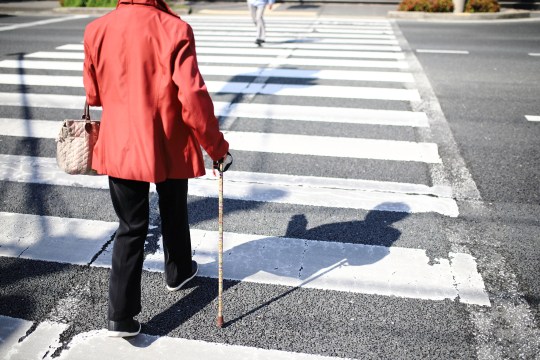
This data note reviews recent KFF polling data about Americans' struggles to afford many aspects of health care, including disproportionate shares of uninsured adults, Black and Hispanic adults, and those with lower incomes.

MAHA and the Midterms

KFF's poll finds that the cost of health care is a more prominent focus for Make America Healthy Again (MAHA) voters than issues like food and vaccine policy.

Mifepristone and the Midterms

KFF's poll finds that voters who say abortion policy is an important issue for midterm candidates to discuss are disproportionately Democrats.

Health Information and Trust

Dashboard: Polling on Health Information and Trust

Drawing on KFF’s poll findings, this interactive dashboard tracks the public’s trusted sources for health information, attitudes toward vaccines, and use of news, social media, and AI for health-related information.

Recent Polls

4 in 10 LGBTQ+ Adults, Including 6 in 10 Trans Adults, Say Their Insurer Delayed or Denied Needed Care in the Past Two Years

Examining LGBTQ+ Adults’ Experiences with Health Care Costs and Access

LGBTQ+ adults are more likely than others to postpone or skip needed care (58% vs. 38%), forgo prescription medications due to cost (22% vs. 12%), and struggle to pay medical bills (30% vs. 21%). Among LGBTQ+ adults, cost-related challenges are especially high for trans adults, those who are young, those with low incomes, and those who lack health insurance.

KFF Health Tracking Poll: Mifepristone and the Midterms

Amid an ongoing FDA re-review of mifepristone, awareness of the safety and prevalence of the abortion pill remains limited. This KFF poll also finds that the voters who say abortion policy is an important issue for 2026 midterm candidates to discuss are disproportionately Democrats.

Ebola Response and Pandemic Preparedness

Much of the public has yet to form an opinion on the U.S. government’s response to the Ebola outbreak in the Democratic Republic of the Congo, this poll finds. Four in ten adults say the U.S. is less prepared for a pandemic now than it was in 2020.

the essentials

Health Tracking Poll

Our signature survey project provides up-to-date data on the public’s health care views, knowledge, and experiences.

Tracking the Public’s Views on the ACA

Tracking the Public’s Views on the ACA

This interactive tool tracks public opinion on the Affordable Care Act, from the inception of the law to the present, including trends based on party identification, income, age, gender, and race/ethnicity.

Health Information and Trust Tracking Poll

The Health Information and Trust Tracking Poll is part of KFF’s Health Information and Trust Initiative, which tracks health misinformation and analyzes its impact on the public.

Polls in Health Policy

This chapter of our digital “textbook” explores why surveys are essential for understanding health policy issues. 

KFF/New York Times Survey of Immigrants

KFF-New York Times Survey: Immigrants Report Rising Fear, Negative Economic and Health Impacts, and Changing Political Views During the First Year of President Trump’s Second Term

The 2025 Survey of Immigrants, a partnership between KFF and The New York Times, takes an in-depth look at the experiences of immigrants during the first year of President Trump’s second term, including their worries related to increased immigration enforcement, their health and economic wellbeing, and the political views and preferences of immigrant voters. The survey paints a portrait of families under strain — where fear of detention and economic instability are negatively impacting immigrants’ health and reshaping immigrant families’ daily lives and views of U.S. political parties.

Read the News Release | Explore The New York Times’ Reporting

Stay informed.

Stay informed.

Filter

341 - 350 of 1,857 Results

  • Surging Delta Variant Cases, Hospitalizations, and Deaths Are Biggest Drivers Of Recent Uptick in U.S. COVID-19 Vaccination Rates

    News Release

    Large Majorities of Americans, Both Vaccinated and Not, Say COVID-19 is Likely to Persist at Lower Levels and Be Something the U.S. Will “Learn to Live With” like Seasonal Flu More than 7 in 10 adults (72%) in the U.S. now report that they are at least partially vaccinated against COVID-19, with the surge in disease and death driven by the Delta variant serving as the chief impetus in recent weeks, finds the latest KFF…

  • KFF COVID-19 Vaccine Monitor: September 2021

    Poll Finding

    This report finds that 72% of adults now report being at least partially vaccinated for COVID-19, with the surge in cases, hospitalizations, and deaths due to the Delta variant being the main motivator for the recently vaccinated. It also examines the public's views on vaccine mandates, booster doses, and breakthrough infections.

  • Views Of COVID-19 Vaccines Among LGBT Adults

    Poll Finding

    This new analysis examines the experiences of LGBT adults from the July COVID-19 Vaccine Monitor and finds that as a group they are more likely to be vaccinated for COVID-19 and less likely to view getting the vaccine as a health risk compared to non-LGBT adults. A larger share of LGBT adults than non-LGBT adults say they have received at least one dose of a COVID-19 vaccine (82% vs 66%) and are more supportive of…

  • Two New KFF Reports Take a Closer Look at the COVID-19 Pandemic and the LGBT Community, From the Impact on Mental Health to Vaccination Status

    News Release

    Two new KFF reports provide new and updated data on the experiences of lesbian, gay, bisexual and transgender (LGBT) people during the COVID-19 pandemic, featuring data showing the impact on mental health and COVID-19 Vaccine Monitor data on vaccine uptake within the community. The two reports add important context to the limited but growing body of evidence on the community’s pandemic experiences. As a result of the COVID-19 pandemic, LGBT people reported stress and worry…

  • The Impact of the COVID-19 Pandemic on LGBT+ People’s Mental Health

    Issue Brief

    The COVID-19 pandemic, which has disrupted the lives of people across the globe, has negatively impacted LGBT+ people’s mental health in disproportionate ways. In this data note, we pull together data from nationally representative surveys, adding to a small but growing evidence base on the impact of the pandemic on LGBT+ people.

  • KFF COVID-19 Vaccine Monitor: The Impact Of The Coronavirus Pandemic On The Wellbeing Of Parents And Children

    Poll Finding

    This report examines the impact of the COVID-19 pandemic on the wellbeing of parents and children. It finds that more than one-third of parents say their child fell behind academically or in their social and emotional development as a result of the pandemic. This report also examines the mental health and wellbeing of parents whose household experienced an employment disruption due to childcare needs and of children who attended school at least partially online.

  • Four in Ten Parents of School-Aged Children Say a Child Fell Behind Academically Due to the COVID-19 Pandemic

    News Release

    Four in Ten Parents Say Someone in Their Household Left a Job or Worked Fewer Hours to Care for Their Children, Including Higher Shares of Black, Hispanic, and Lower-income Parents As a result of the pandemic, about four in ten (39%) parents of school-aged children (ages 5-17) say at least one of their children fell behind academically, rising to half among parents with household incomes below $40,000 (51%) and Hispanic parents (50%), a new KFF…

  • How Full FDA Approval Could Spur Vaccination

    From Drew Altman

    In this Axios column, Drew Altman says full FDA approval of COVID-19 vaccines can provide a big boost to vaccination efforts if treated as an opportunity for updated messaging from government officials at all levels and public health experts and new actions from employers.

  • Most Parents Don’t Want Their Schools to Require COVID-19 Vaccination, But Most Favor Requiring Masks for Unvaccinated Children and Staff

    News Release

    Worries about Long-Term and Serious Side Effects are Parents’ Top Concern; Hispanic and Black Parents Are More Likely than White Parents to Cite Access and Cost Issues As schools around the country prepare to reopen, a majority of parents of school-age children say they do not want their children’s schools to require students to get a COVID-19 vaccine in order to attend in person classes, the latest KFF Covid-19 Vaccine Monitor report finds. This includes…