Public Opinion

Health Information and Trust

Dashboard: Polling on Health Information and Trust

Drawing on KFF’s poll findings, this interactive dashboard tracks the public’s trusted sources for health information, attitudes toward vaccines, and use of news, social media, and AI for health-related information.

THE MIDTERMS

Most Democratic Voters Want To Hear Candidates Discuss Health Costs and Future of Health Programs; More Republicans Focused on Fraud

KFF Health Tracking Poll: Public Views on Fraud in Government Health Programs

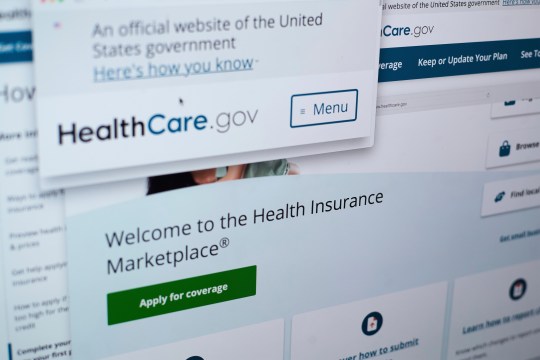
As the 2026 midterms approach, health care costs remain voters’ top health priority, but fraud in government health programs, including Medicaid and Medicare, is resonating with Republican voters, 55% of whom say it’s extremely important for candidates to address. Most voters say there is at least “some” fraud in government health programs, but larger shares say there is fraud in the tax system, defense, and foreign aid, while the smallest share sees fraud in the ACA Marketplaces.

Recent Polls

KFF Health Tracking Poll: Mifepristone and the Midterms

Amid an ongoing FDA re-review of mifepristone, awareness of the safety and prevalence of the abortion pill remains limited. This KFF poll also finds that the voters who say abortion policy is an important issue for 2026 midterm candidates to discuss are disproportionately Democrats.

Ebola Response and Pandemic Preparedness

Much of the public has yet to form an opinion on the U.S. government’s response to the Ebola outbreak in the Democratic Republic of the Congo, this poll finds. Four in ten adults say the U.S. is less prepared for a pandemic now than it was in 2020.

KFF/New York Times Survey of Immigrants

KFF-New York Times Survey: Immigrants Report Rising Fear, Negative Economic and Health Impacts, and Changing Political Views During the First Year of President Trump’s Second Term

The 2025 Survey of Immigrants, a partnership between KFF and The New York Times, takes an in-depth look at the experiences of immigrants during the first year of President Trump’s second term, including their worries related to increased immigration enforcement, their health and economic wellbeing, and the political views and preferences of immigrant voters. The survey paints a portrait of families under strain — where fear of detention and economic instability are negatively impacting immigrants’ health and reshaping immigrant families’ daily lives and views of U.S. political parties.

Read the News Release | Explore The New York Times’ Reporting

the essentials

Health Tracking Poll

Our signature survey project provides up-to-date data on the public’s health care views, knowledge, and experiences.

Tracking the Public’s Views on the ACA

Tracking the Public’s Views on the ACA

This interactive tool tracks public opinion on the Affordable Care Act, from the inception of the law to the present, including trends based on party identification, income, age, gender, and race/ethnicity.

Health Information and Trust Tracking Poll

The Health Information and Trust Tracking Poll is part of KFF’s Health Information and Trust Initiative, which tracks health misinformation and analyzes its impact on the public.

Polls in Health Policy

This chapter of our digital “textbook” explores why surveys are essential for understanding health policy issues. 

Stay informed.

Stay informed.

Filter

1,651 - 1,660 of 1,854 Results

  • Health News Index – January/February, 2001

    Poll Finding

    Health News Index January/February, 2001 The January/February, 2001 edition of the Kaiser Family Foundation/HarvardSchool of Public Health, Health News Index includes questions about major health stories covered in the news, including questions about President Bush's executive order on U.S. funding of international family planning groups. The survey is based on a national random sample of 1,021 Americans conducted January 25-28, 2001, which measures public knowledge of health stories covered by news media during the previous…

  • Post-Election Survey: The Public and the Health Care Agenda for the New Administration and Congress

    Poll Finding

    This Kaiser Family Foundation-Harvard School of Public Health survey, conducted immediately after the 2000 Presidential election, finds that health care issues ranked near the top of voters priorities for spending the surplus. Medicare ranked among the top three priorities, along with education and Social Security, and ahead of paying off the national debt and cutting taxes. Education ranked first. The survey also found that voters support patients rights legislation and some action to help the…

  • Parents’ Views of Children’s Health Insurance Programs: A Survey of Denied Applicants for Kaiser Permanente’s Child Health Plan

    Poll Finding

    In 1997, Kaiser Permanente launched the Child Health Plan to provide subsidized health insurance for low income California children not eligible for Medi-Cal (California's Medicaid program) or Healthy Families (California's State Children's Health Insurance Program). As part of a broader evaluation of the Child Health Plan funded jointly by the Kaiser Family Foundation and the California HealthCare Foundation, these reports provide findings from a survey of low income parents who were eligible for Medi-Cal or…

  • Sexual Activity and Substance Use Among Youth

    Poll Finding

    Teens and young adults face many pressures and decisions involving alcohol, drugs, and sexual activity decisions that often occur simultaneously. Almost one quarter of sexually active young people aged 15-24 report having sex without a condom because they were drinking or using drugs at the time. These findings are from a new national survey conducted by the Kaiser Family Foundation and released at a conference, Dangerous Liaisons: Substance Abuse and Sexual Behavior, sponsored by the…

  • Toplines for the Kaiser Health News Index: 2000

    Poll Finding

    Complete Survey Toplines for the Kaiser Health News Index: 2000 The Kaiser Health News Index is designed to provide key tracking information on public opinion about health care topics to journalists, policymakers and the general public. January/February March/April May/June July/August September/October November/December

  • Health News Index – November/December 2000

    Poll Finding

    Health News Index November/December, 2000 The November/December 2000 edition of the Kaiser Family Foundation/Harvard School of Public Health, Health News Index includes questions about how closely the public is following major health stories covered in the news during November. It also includes a year 2000 summary of the stories Americans followed most closely and looks specifically at gender and age differences in attentiveness to health news stories. Every two months, Kaiser/Harvard issues a new index…

  • National Survey on Americans as Health Care Consumers: An Update on the Role of Quality Information

    Poll Finding

    This survey of Americans by the Kaiser Family Foundation and the Agency for Health Care Research and Quality (AHRQ) shows that the recent attention to medical errors may have entered the public's consciousness since it is now among the public's leading measures of health care quality. The survey also found that the public is more likely to rely on recommendations of friends, family and health professionals they know than on existing standardized quality indicators. Few…

  • Vital Signs Index Survey: No. 2

    Other Post

    Topline Results The Vital Signs Index is a monthly nationally representative survey of women on health policy issues. The results of the survey will inform the news segments and be made available to a wider audience of policy makers, health industry leaders, advocates and journalists. Vital Signs Index Survey Topline

  • SexSmarts Survey – “Safer Sex”, Condoms and “the Pill”

    Poll Finding

    As part of an on-going public information partnership called SexSmarts, seventeen and the Kaiser Family Foundation conduct nationally-representative surveys of teens 15 to 17 on issues related to their sexual health. This survey examines teens' knowledge and attitudes about "safer sex" and contraception (November 2000).Summary of Findings (.pdf)Toplines/Survey (.pdf)