Public Opinion

Health Information and Trust

Dashboard: Polling on Health Information and Trust

Drawing on KFF’s poll findings, this interactive dashboard tracks the public’s trusted sources for health information, attitudes toward vaccines, and use of news, social media, and AI for health-related information.

THE MIDTERMS

Most Democratic Voters Want To Hear Candidates Discuss Health Costs and Future of Health Programs; More Republicans Focused on Fraud

KFF Health Tracking Poll: Public Views on Fraud in Government Health Programs

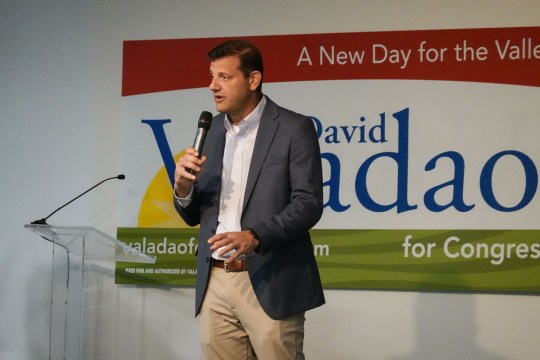
As the 2026 midterms approach, health care costs remain voters’ top health priority, but fraud in government health programs, including Medicaid and Medicare, is resonating with Republican voters, 55% of whom say it’s extremely important for candidates to address. Most voters say there is at least “some” fraud in government health programs, but larger shares say there is fraud in the tax system, defense, and foreign aid, while the smallest share sees fraud in the ACA Marketplaces.

Recent Polls

KFF Health Tracking Poll: Mifepristone and the Midterms

Amid an ongoing FDA re-review of mifepristone, awareness of the safety and prevalence of the abortion pill remains limited. This KFF poll also finds that the voters who say abortion policy is an important issue for 2026 midterm candidates to discuss are disproportionately Democrats.

Ebola Response and Pandemic Preparedness

Much of the public has yet to form an opinion on the U.S. government’s response to the Ebola outbreak in the Democratic Republic of the Congo, this poll finds. Four in ten adults say the U.S. is less prepared for a pandemic now than it was in 2020.

KFF/New York Times Survey of Immigrants

KFF-New York Times Survey: Immigrants Report Rising Fear, Negative Economic and Health Impacts, and Changing Political Views During the First Year of President Trump’s Second Term

The 2025 Survey of Immigrants, a partnership between KFF and The New York Times, takes an in-depth look at the experiences of immigrants during the first year of President Trump’s second term, including their worries related to increased immigration enforcement, their health and economic wellbeing, and the political views and preferences of immigrant voters. The survey paints a portrait of families under strain — where fear of detention and economic instability are negatively impacting immigrants’ health and reshaping immigrant families’ daily lives and views of U.S. political parties.

Read the News Release | Explore The New York Times’ Reporting

the essentials

Health Tracking Poll

Our signature survey project provides up-to-date data on the public’s health care views, knowledge, and experiences.

Tracking the Public’s Views on the ACA

Tracking the Public’s Views on the ACA

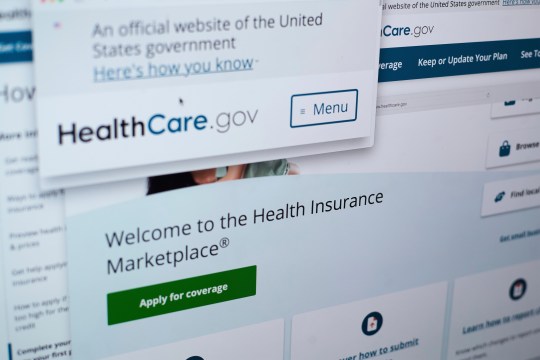
This interactive tool tracks public opinion on the Affordable Care Act, from the inception of the law to the present, including trends based on party identification, income, age, gender, and race/ethnicity.

Health Information and Trust Tracking Poll

The Health Information and Trust Tracking Poll is part of KFF’s Health Information and Trust Initiative, which tracks health misinformation and analyzes its impact on the public.

Polls in Health Policy

This chapter of our digital “textbook” explores why surveys are essential for understanding health policy issues. 

Stay informed.

Stay informed.

Filter

1,621 - 1,630 of 1,854 Results

  • Women’s Health Care Providers STD Counseling and Testing

    Poll Finding

    Many women rely on their physicians to help them assess whether they are at risk for STDs and to provide them with information about testing, treatment and how to protect themselves. To better understand how often they discuss and screen for STDs, including HIV, the Kaiser Family Foundation surveyed 767 physicians, including 566 obstetricians and gynecologists and 201 family practice practitioners, for the National Survey of Women's Health Care Providers on Reproductive Health. Toplines/Survey

  • A Study of Media Coverage of Health Policy 1997-2000

    Poll Finding

    The debate over President Clinton's national health care reform plan put health care policy at the forefront of the national agenda in 1993 and 1994. After the end of that debate, it remained to be seen whether or not health policy would hold the media's and the public s interest to the same degree. To help answer that and other questions, a comprehensive study of health policy media coverage from 1997 through 2000 - focusing…

  • Toplines for the Kaiser Health News Index: 2001

    Poll Finding

    Complete Survey Toplines for the Kaiser Health News Index: 2001 The Kaiser Health News Index is designed to provide key tracking information on public opinion about health care topics to journalists, policymakers and the general public. January/February March/April May/June July/August September/October November/December

  • Generation Rx.com: How Young People Use the Internet for Health Information

    Report

    The Internet has become a daily part of life especially for younger Americans. Teens as well as adults are now going online to look for health information. What exactly are young people looking for? Do they trust what they find? Is it influencing what they talk about with their peers, parents, or physicians? Are they worried about privacy? Pornography? Parental controls? A panel featuring Lee Rainie, Director, Pew Internet & American Life Project; Gretchen Berland,…

  • Health News Index November/December 2001

    Poll Finding

    Health News Index November/December, 2001 The November/December 2001 edition of the Kaiser Family Foundation/Harvard School of Public Health Health News Index includes questions about major health stories covered in the news, including the public s knowledge of bioterrorism threats, anthrax and smallpox. The Health News Index is designed to help news media and people in the health field gain a better understanding of which health stories Americans are following and what they understand about those…

  • Survey on Civil Liberties

    Poll Finding

    A survey by National Public Radio, Kaiser Family Foundation, and Harvard University's Kennedy School of Government shows that the vast majority of Americans are willing to forgo some civil liberties to fight terrorism and that they trust the government to do the right thing in carrying out the fight. However, Americans also hold strong beliefs in principle about civil liberties, and public attitudes may change if the threat of terrorism recedes. Topline & Methodology

  • Talking with Voters About the Uninsured

    Report

    Ten focus groups were conducted with voters April through July 2001, prior to the tragedies of September 11th and broad public recognition of an economic slowdown. The report, Effective Language and Themes for Talking About the Uninsured, finds that at that time: voters were still surprised by basic facts about the uninsured; voters seemed ready for messages about the uninsured that focus on the health and financial consequences of being uninsured, especially those centered on…

  • New Surveys on Experiences of Lesbians, Gays and Bisexuals and the Public’s Views Related to Sexual Orientation

    Poll Finding

    New Surveys on Experiences of Lesbians, Gays and Bisexuals and the Public's Views Related to Sexual Orientation Although more than three quarters (76%) of lesbians, gays and bisexuals believe there is greater acceptance today, roughly equal numbers (74%) report that they have experienced prejudice and discrimination, and about one third (32%) report that they have been the target of physical violence because someone believed they were gay, according to a new survey, Inside-OUT: A Report…

  • Latinos  Views of the HIV/AIDS Epidemic at 20 Years:  Findings from a National Survey

    Poll Finding

    This report, Latinos Views of the HIV/AIDS Epidemic at 20 Years: Findings from a National Survey, examines Latinos views and knowledge of HIV/AIDS, including analysis by race/ethnicity, of trends over time, and among Latino subgroups. The report is based a nationally representative survey of 2,683 adults, ages 18 and older, including 549 Latinos. Interviews were completed in both English and Spanish according to respondent preference, and the report is available in both English and Spanish.…

  • African Americans  Views of the HIV/AIDS Epidemic at 20 Years:  Findings from a National Survey

    Poll Finding

    This report, African Americans Views of the HIV/AIDS Epidemic at 20 Years: Findings from a National Survey, examines African Americans views and knowledge of HIV/AIDS, including analysis by race/ethnicity, of trends over time, and among African American subgroups. The report is based a nationally representative survey of 2,683 adults, ages 18 and older, including 431 African Americans. This report serves as a companion document to The AIDS Epidemic at 20 Years: The View From America.…