Medicare

Medicare Open Enrollment

Part D Premiums and Cost Sharing in 2027

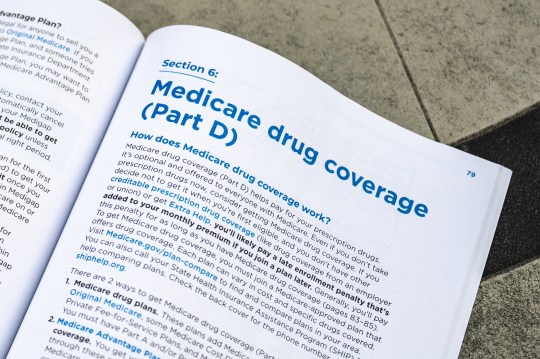
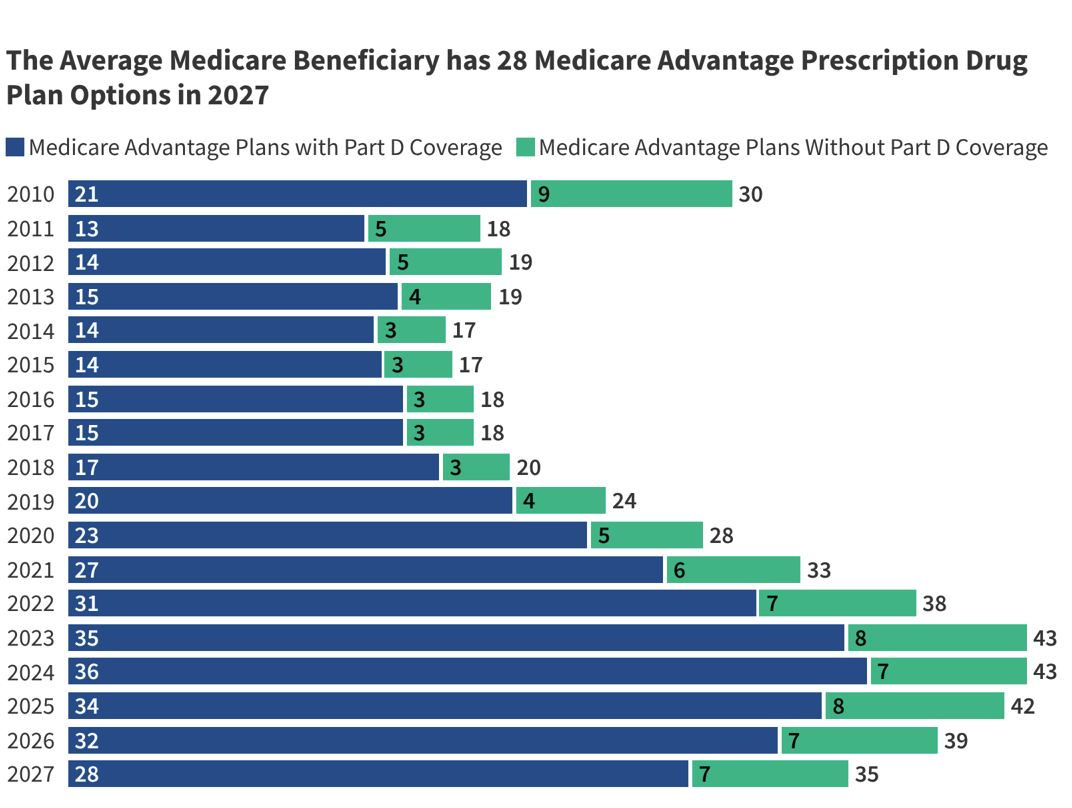
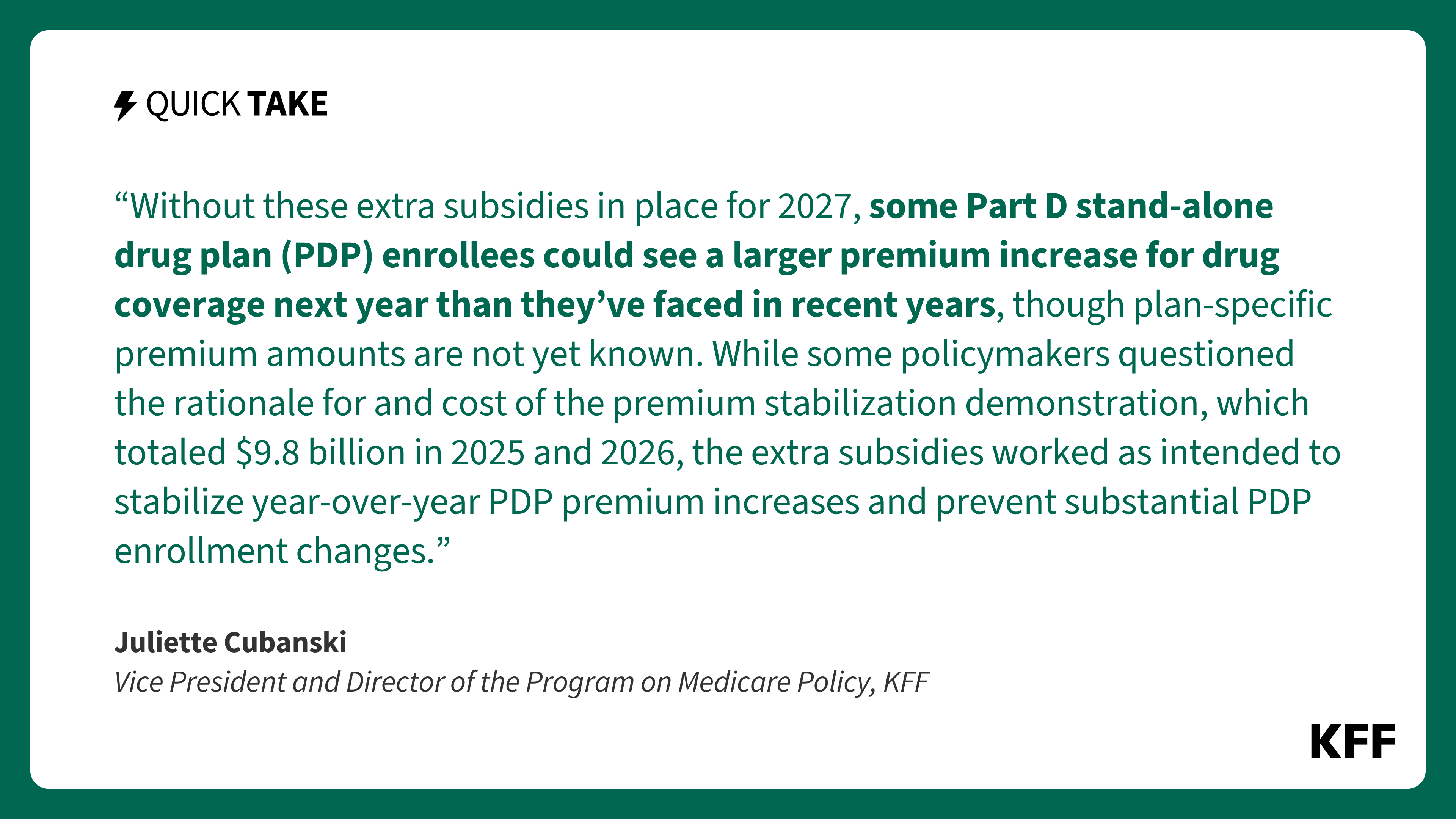
The average monthly premium for Medicare Part D coverage in stand-alone prescription drug plans (PDPs) will increase to $51 in 2027, up 50% from $34 in 2026, if current enrollees don’t switch into lower-premium plans during the open enrollment period. That is more than five times higher than the drug coverage premium in Medicare Advantage plans that offer Part D coverage, which is projected to average $9 per month in 2027. Most Part D enrollees also will face a deductible of several hundred dollars for drug coverage in 2027.
Also: Many Medicare Part D Stand-Alone Drug Plan Enrollees Will See Modest Premium Increases for 2027

Medicare Open Enrollment and Coverage Options: Key Questions and Answers

Each year, Medicare beneficiaries have an opportunity to make changes to how they receive their Medicare coverage during the nearly 8-week annual open enrollment period, which runs from October 15 through December 7. This brief answers key questions about the Medicare open enrollment period and Medicare coverage options.

NEW AND NOTEWORTHY

How Much Do People With Medicare Pay For Coverage?

This brief provides an overview of the costs faced by Medicare beneficiaries in traditional Medicare, Medicare Advantage, and Medicare Part D, including premiums, deductibles, copays, and coinsurance, focusing on costs in 2026.

What’s in a Name? From Today’s Medicare to Medicare for All

KFF’s Larry Levitt explains how proposals to create Medicare-for-All promise more generous benefits than the existing Medicare program, with no premiums or cost-sharing, but could end up looking more like Medicare if it became the subject of a serious national debate about the tradeoffs involved to implement it.

Medigap

Medigap Guaranteed Issue Requirements: An Overview of Federal and State Rules

This issue brief analyzes federal and state rules related to guaranteed issue requirements for Medigap policies and how they impact beneficiaries’ access to Medigap, including the implications for Medicare beneficiaries with pre-existing medical conditions and those under age 65 with long-term disabilities.

Data Visualization

The Facts About Medicare Spending

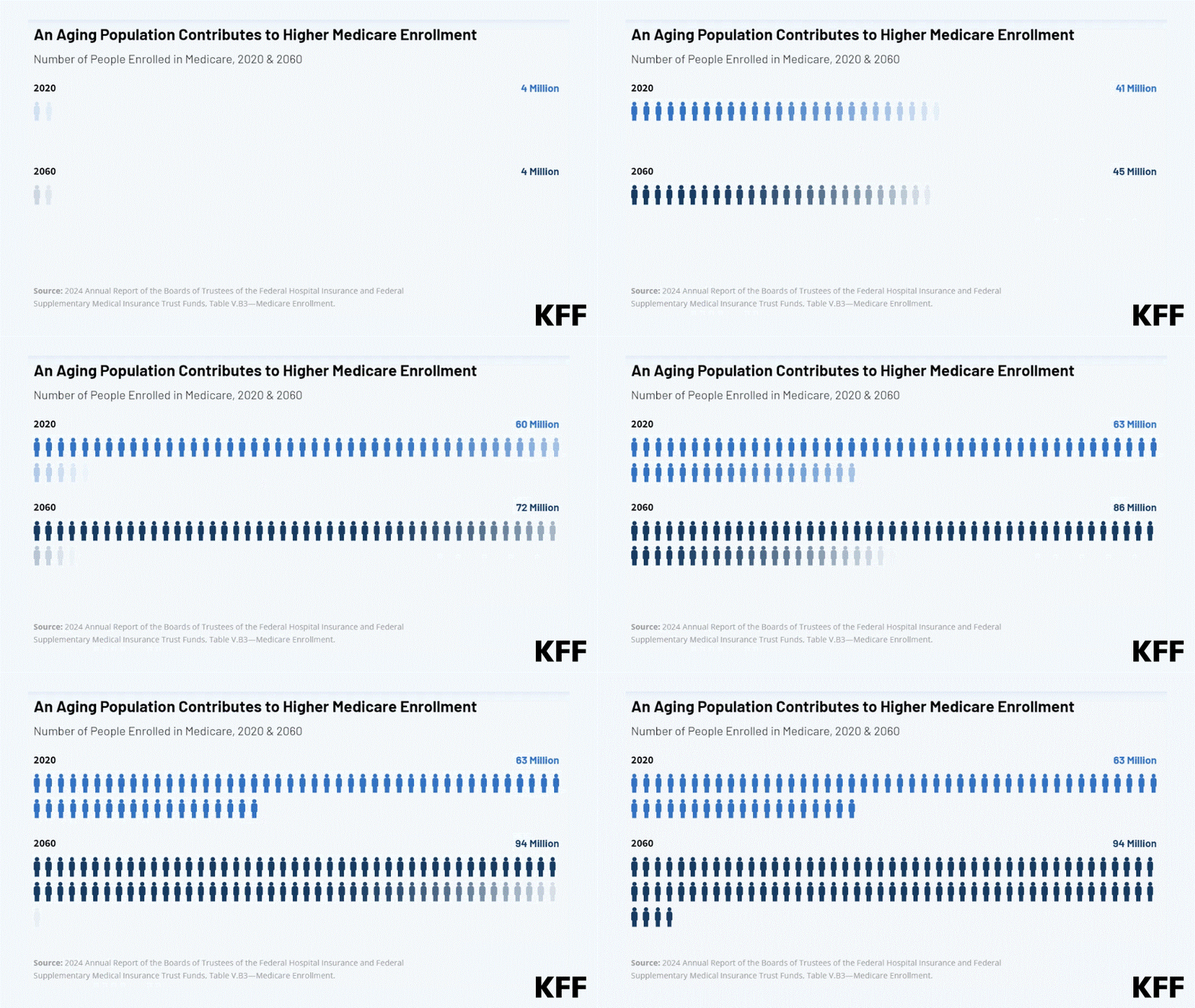
This interactive provides the facts on Medicare spending. Medicare, which serves 67 million people and accounts for 12 percent of the federal budget and 21 percent of national health spending, is often the focus of discussions about health expenditures, health care affordability and the sustainability of federal health programs. Explore data on enrollment growth, Medicare spending trends overall and per person, growth in Medicare spending relative to private insurance, spending on benefits and Medicare Advantage, Part A trust fund solvency challenges, and growth in out-of-pocket spending by beneficiaries.

Read More

Stay informed.

Stay informed.

Filter

751-760 of 1,627 results

  • 10 FAQs: Medicare’s Role in End-of-Life Care

    Fact Sheet

    About eight of 10 of the 2.6 million people who died in the US in 2014 were people on Medicare, making Medicare the largest insurer of health care provided during the last year of life. These Frequently Asked Questions explain Medicare’s role in or coverage of end-of-life care, advance care planning, advance directives, and hospice care. They also provide information on Medicare spending on end-of-life care, changes to the physician fee schedule, and how related issues arose…

  • Medicare Part D Spending on the EpiPen Increased More than 1000 Percent from 2007 to 2014

    News Release

    As policymakers in Washington scrutinize the rising cost of the EpiPen auto-injector, a new analysis from the Kaiser Family Foundation shows that Medicare Part D spending for the potentially life-saving device increased by more than 1000 percent between 2007, the year after the Part D drug benefit took effect, and 2014, the most recent year for which data are available. The higher spending partly results from more Part D enrollees using EpiPens during that period,…

  • Few People Switch Medicare Advantage Plans Each Year, Raising Questions About Whether Seniors Have the Tools and Information They Need To Compare Plans  

    News Release

    A small share of Medicare Advantage enrollees switch plans each year, but those who do tend to pick plans with lower premiums and out-of-pocket limits than the plans they left behind, according to a new analysis by the Kaiser Family Foundation. Eleven percent of enrollees voluntarily switched from one Medicare Advantage plan to another between 2013 and 2014, the analysis finds, while another four percent were forced to change because their Medicare Advantage plan exited…

  • How Much Has Medicare Spent on the EpiPen Since 2007?

    Issue Brief

    This data note examines the effects of rising EpiPen prices on Medicare and beneficiaries. We analyze EpiPen spending, in the aggregate and per user, in Medicare Part D between 2007 (the year after the Part D drug benefit took effect, and the year Mylan acquired the product) and 2014 (the most recent year of data available).

  • Medicare Advantage Plan Switching: Exception or Norm?

    Issue Brief

    The Medicare open enrollment period allows enrollees to compare plans, stick with their current plan, switch to another plan, or shift to traditional Medicare. This analysis examines the extent to which Medicare Advantage enrollees change plans when given the opportunity. It also analyzes the variation in the rate of plan switching by enrollee and plan characteristics and whether people who voluntarily switch plans tend to move to plans with lower premiums, lower out-of-pocket limits, or…

  • Medicare Part D in 2016 and Trends over Time

    Report

    This chartpack presents a summary of Part D enrollment, premiums, cost sharing, benefit design and other key trends in 2016 and changes over time. For 2016, the analysis finds that 40% of Part D enrollees are now in Medicare Advantage drug plans, and over half of all enrollees are in plans offered by just three firms. The chartpack also highlights some concerning trends in the Low-Income Subsidy market, with the fewest number of premium-free plans…

  • Medicare’s Role for People Under Age 65 with Disabilities

    Issue Brief

    This issue brief examines the role of Medicare for people under age 65 with disabilities, including how this group qualifies for Medicare, the characteristics of people under age 65 with disabilities compared to those age 65 or older, and how sources of supplemental coverage and prescription drug coverage, spending and use of services, and access to care differ for Medicare beneficiaries under age 65 with disabilities and older beneficiaries.

  • Turning Medicare Into a Premium Support System: Frequently Asked Questions

    Issue Brief

    Premium support is a general term used to describe an approach to reform Medicare that aims to reduce the growth in Medicare spending. These FAQs raise and discuss basic questions about the possible effects of a premium support system for Medicare beneficiaries, the federal budget, health care providers, and private health plans.