Medicare

Medicare Open Enrollment

Part D Premiums and Cost Sharing in 2027

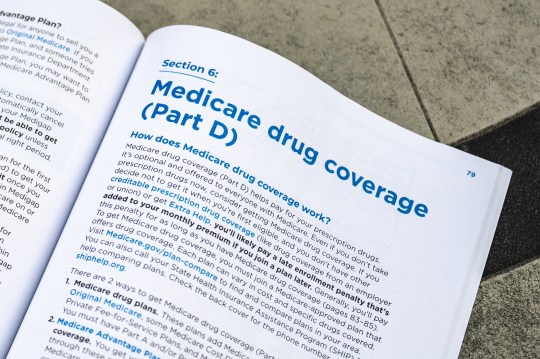
The average monthly premium for Medicare Part D coverage in stand-alone prescription drug plans (PDPs) will increase to $51 in 2027, up 50% from $34 in 2026, if current enrollees don’t switch into lower-premium plans during the open enrollment period. That is more than five times higher than the drug coverage premium in Medicare Advantage plans that offer Part D coverage, which is projected to average $9 per month in 2027. Most Part D enrollees also will face a deductible of several hundred dollars for drug coverage in 2027.


Also: Many Medicare Part D Stand-Alone Drug Plan Enrollees Will See Modest Premium Increases for 2027

Medicare Open Enrollment and Coverage Options: Key Questions and Answers

Each year, Medicare beneficiaries have an opportunity to make changes to how they receive their Medicare coverage during the nearly 8-week annual open enrollment period, which runs from October 15 through December 7. This brief answers key questions about the Medicare open enrollment period and Medicare coverage options.

NEW AND NOTEWORTHY

How Much Do People With Medicare Pay For Coverage?

This brief provides an overview of the costs faced by Medicare beneficiaries in traditional Medicare, Medicare Advantage, and Medicare Part D, including premiums, deductibles, copays, and coinsurance, focusing on costs in 2026.

What’s in a Name? From Today’s Medicare to Medicare for All

KFF’s Larry Levitt explains how proposals to create Medicare-for-All promise more generous benefits than the existing Medicare program, with no premiums or cost-sharing, but could end up looking more like Medicare if it became the subject of a serious national debate about the tradeoffs involved to implement it.

Medigap

Medigap Guaranteed Issue Requirements: An Overview of Federal and State Rules

This issue brief analyzes federal and state rules related to guaranteed issue requirements for Medigap policies and how they impact beneficiaries’ access to Medigap, including the implications for Medicare beneficiaries with pre-existing medical conditions and those under age 65 with long-term disabilities.

Data Visualization

The Facts About Medicare Spending

This interactive provides the facts on Medicare spending. Medicare, which serves 67 million people and accounts for 12 percent of the federal budget and 21 percent of national health spending, is often the focus of discussions about health expenditures, health care affordability and the sustainability of federal health programs. Explore data on enrollment growth, Medicare spending trends overall and per person, growth in Medicare spending relative to private insurance, spending on benefits and Medicare Advantage, Part A trust fund solvency challenges, and growth in out-of-pocket spending by beneficiaries.

Read More

Stay informed.

Stay informed.

Filter

651-660 of 1,627 results

  • The Out-of-Pocket Cost Burden for Specialty Drugs in Medicare Part D in 2019

    Issue Brief

    Medicare Part D has helped to make prescription drugs more affordable for people with Medicare, yet many beneficiaries continue to face high out-of-pocket costs for their medications. Specialty tier drugs are a particular concern for Part D enrollees in this context. This analysis draws on data from Medicare’s Plan Finder website to calculate expected annual 2019 out-of-pocket costs for 30 specialty tier drugs used to treat four health conditions—cancer, hepatitis C, multiple sclerosis, and rheumatoid…

  • Medicare Part D Enrollees with Serious Health Conditions Can Face Thousands of Dollars in Out-of-Pocket Costs Annually for Specialty Drugs

    News Release

    Despite Medicare’s protections, Part D enrollees with serious health conditions can face thousands of dollars in annual out-of-pocket costs for expensive specialty drugs, a new KFF anaylsis finds. The analysis draws on data from Medicare’s Plan Finder website to calculate expected annual 2019 costs for more than two dozen specialty tier drugs used to treat four health conditions -- cancer, hepatitis C, multiple sclerosis and rheumatoid arthritis – based on coverage and costs in national and…

  • 10 Essential Facts About Medicare and Prescription Drug Spending

    Other Post

    Prescription drugs play an important role in medical care for 60 million seniors and people with disabilities, and account for nearly $1 out of every $5 in Medicare spending. This chart series examines trends in Medicare and beneficiary out-of-pocket spending on prescription drugs, and what the public thinks about different options for keeping drug costs down.

  • Poll: Majorities Favor a Range of Options to Expand Public Coverage, Including Medicare-for-All

    News Release

    At a time when debate is beginning about a national Medicare-for-all plan and other approaches to expanding coverage through public programs, this month’s KFF Health Tracking poll examines Americans’ early opinion on a range of options under consideration. The poll finds majority support for four different approaches: 77 percent of the public, including most Republican (69%), favor allowing people between the ages of 50 to 64 to buy health insurance through Medicare; 75 percent, including…

  • KFF Health Tracking Poll – January 2019: The Public On Next Steps For The ACA And Proposals To Expand Coverage

    Feature

    This month's KFF Health Tracking Poll finds that about four in ten are aware of the federal judge's ruling that the ACA is no longer valid but once made aware, most disapprove of the ruling. This poll also examines the public's favorability toward expanding the role of public health care programs, and majorities across partisan groups have a favorable opinion of programs such as Medicare buy-in and Medicaid buy-in, with a national Medicare-for-all being less…

  • Medicare for All is a Double-Edged Sword for Democrats

    From Drew Altman

    In an Axios column, Drew Altman analyzes the political pros and cons of Medicare for All and Medicare buy-in plans for Democrats, and how they may handle it in Congress and the presidential campaign.

  • Sources of Supplemental Coverage Among Medicare Beneficiaries in 2016

    Issue Brief

    Today, 60 million people, including 51 million older adults and 9 million younger adults with disabilities, rely on Medicare for their health insurance coverage, but many Medicare beneficiaries rely on other sources of coverage to supplement their Medicare benefits. This data note explores sources of supplemental coverage among beneficiaries in traditional Medicare, based on data from the 2016 Medicare Current Beneficiary Survey.