Medicare

Medicare Open Enrollment

Part D Premiums and Cost Sharing in 2027

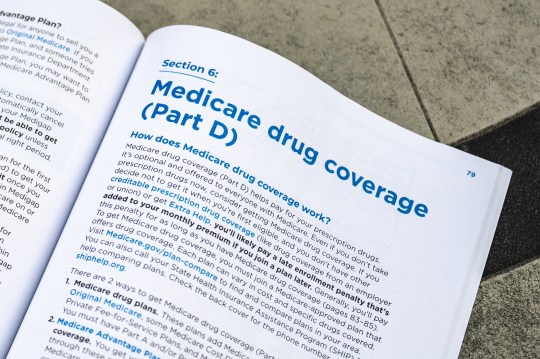
The average monthly premium for Medicare Part D coverage in stand-alone prescription drug plans (PDPs) will increase to $51 in 2027, up 50% from $34 in 2026, if current enrollees don’t switch into lower-premium plans during the open enrollment period. That is more than five times higher than the drug coverage premium in Medicare Advantage plans that offer Part D coverage, which is projected to average $9 per month in 2027. Most Part D enrollees also will face a deductible of several hundred dollars for drug coverage in 2027.


Also: Many Medicare Part D Stand-Alone Drug Plan Enrollees Will See Modest Premium Increases for 2027

Medicare Open Enrollment and Coverage Options: Key Questions and Answers

Each year, Medicare beneficiaries have an opportunity to make changes to how they receive their Medicare coverage during the nearly 8-week annual open enrollment period, which runs from October 15 through December 7. This brief answers key questions about the Medicare open enrollment period and Medicare coverage options.

NEW AND NOTEWORTHY

How Much Do People With Medicare Pay For Coverage?

This brief provides an overview of the costs faced by Medicare beneficiaries in traditional Medicare, Medicare Advantage, and Medicare Part D, including premiums, deductibles, copays, and coinsurance, focusing on costs in 2026.

What’s in a Name? From Today’s Medicare to Medicare for All

KFF’s Larry Levitt explains how proposals to create Medicare-for-All promise more generous benefits than the existing Medicare program, with no premiums or cost-sharing, but could end up looking more like Medicare if it became the subject of a serious national debate about the tradeoffs involved to implement it.

Medigap

Medigap Guaranteed Issue Requirements: An Overview of Federal and State Rules

This issue brief analyzes federal and state rules related to guaranteed issue requirements for Medigap policies and how they impact beneficiaries’ access to Medigap, including the implications for Medicare beneficiaries with pre-existing medical conditions and those under age 65 with long-term disabilities.

Data Visualization

The Facts About Medicare Spending

This interactive provides the facts on Medicare spending. Medicare, which serves 67 million people and accounts for 12 percent of the federal budget and 21 percent of national health spending, is often the focus of discussions about health expenditures, health care affordability and the sustainability of federal health programs. Explore data on enrollment growth, Medicare spending trends overall and per person, growth in Medicare spending relative to private insurance, spending on benefits and Medicare Advantage, Part A trust fund solvency challenges, and growth in out-of-pocket spending by beneficiaries.

Read More

Stay informed.

Stay informed.

Filter

311-320 of 1,627 results

  • Allowing Medicare to Negotiate Drug Prices Remains Broadly Popular Among Voters, Though Most Are Unaware of the Law and Its Projected Savings

    News Release

    Allowing Medicare to negotiate drug prices on behalf of older Americans remains broadly popular across partisans, though many voters are unaware of the new law and the billions of dollars it is expected to save in 2026, a new KFF Health Tracking Poll finds.A large majority (85%) of voters say they support allowing the federal government to negotiate the price of some prescription drugs for people with Medicare. This includes at least three quarters of…

  • Again, No Medicaid

    From Drew Altman

    In his latest column, KFF President and CEO Drew Altman explains why Medicaid, despite former President Donald Trump's silence on the topic, warrants greater attention given the potential for drastic changes or cuts to it should Republicans win control in the election.

  • How Many People with Employer-Sponsored Insurance Use the Drugs Slated for Medicare Price Negotiations

    Issue Brief

    Among the 167 million people with employer-sponsored insurance in 2022, 3.4 million used at least one of the first 10 drugs identified for Medicare price negotiations, according to a new analysis. The most used drug for people with employer-sponsored health insurance was Jardiance, a drug used to treat diabetes and heart failure, which was taken by more than 911,000 enrollees. The analysis uses the Merative MarketScan 2022 commercial claims to estimate the number of enrollees…

  • Medicare Advantage Plans Denied a Larger Share of Prior Authorization Requests in 2022 Than in Prior Years

    News Release

    Medicare Advantage plans denied 3.4 million prior authorization requests for health care services in whole or in part in 2022, or 7.4% of the 46.2 million requests submitted on behalf of enrollees that year, according to a new KFF analysis of federal data. That was a higher share of denials than in recent years. The share of all prior authorization requests denied by Medicare Advantage plans increased from 5.7% in 2019, 5.6% in 2020 and…

  • Compare the Candidates on Health Care Policy

    Feature

    The side-by-side comparison tool provides a quick overview of former President Trump's and Vice President Harris' records, positions, public statements, and proposed policies on a range of key health care topics.

  • What to Know About Medicare Part D Premiums

    Issue Brief

    Changes to the Medicare Part D benefit in the Inflation Reduction Act will mean lower out-of-pocket costs for Part D enrollees but higher costs for Part D plans overall, leading to concerns about possible premium increases. These FAQs provide context for understanding Part D premiums in 2025 and changes in recent years, and describe actions the Centers for Medicare & Medicaid Services (CMS) is taking to mitigate potential premium increases.

  • What are the Consequences of Health Care Debt Among Older Adults?

    Issue Brief

    Health care debt is a widespread problem in the United States. Medicare offers coverage for a range of health care services, including hospitalizations, physician visits, prescription drugs, and post-acute care, but Medicare beneficiaries generally pay out-of-pocket for their monthly premiums and deductibles, cost-sharing for Medicare-covered services, and the cost of services not covered by Medicare. This data note examines findings from the KFF Health Care Debt Survey to assess the prevalence, sources and consequences of…