Medicare

Medicare Open Enrollment

Part D Premiums and Cost Sharing in 2027

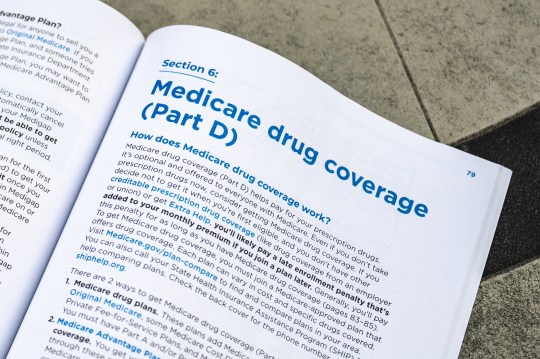
The average monthly premium for Medicare Part D coverage in stand-alone prescription drug plans (PDPs) will increase to $51 in 2027, up 50% from $34 in 2026, if current enrollees don’t switch into lower-premium plans during the open enrollment period. That is more than five times higher than the drug coverage premium in Medicare Advantage plans that offer Part D coverage, which is projected to average $9 per month in 2027. Most Part D enrollees also will face a deductible of several hundred dollars for drug coverage in 2027.


Also: Many Medicare Part D Stand-Alone Drug Plan Enrollees Will See Modest Premium Increases for 2027

Medicare Open Enrollment and Coverage Options: Key Questions and Answers

Each year, Medicare beneficiaries have an opportunity to make changes to how they receive their Medicare coverage during the nearly 8-week annual open enrollment period, which runs from October 15 through December 7. This brief answers key questions about the Medicare open enrollment period and Medicare coverage options.

NEW AND NOTEWORTHY

How Much Do People With Medicare Pay For Coverage?

This brief provides an overview of the costs faced by Medicare beneficiaries in traditional Medicare, Medicare Advantage, and Medicare Part D, including premiums, deductibles, copays, and coinsurance, focusing on costs in 2026.

What’s in a Name? From Today’s Medicare to Medicare for All

KFF’s Larry Levitt explains how proposals to create Medicare-for-All promise more generous benefits than the existing Medicare program, with no premiums or cost-sharing, but could end up looking more like Medicare if it became the subject of a serious national debate about the tradeoffs involved to implement it.

Medigap

Medigap Guaranteed Issue Requirements: An Overview of Federal and State Rules

This issue brief analyzes federal and state rules related to guaranteed issue requirements for Medigap policies and how they impact beneficiaries’ access to Medigap, including the implications for Medicare beneficiaries with pre-existing medical conditions and those under age 65 with long-term disabilities.

Data Visualization

The Facts About Medicare Spending

This interactive provides the facts on Medicare spending. Medicare, which serves 67 million people and accounts for 12 percent of the federal budget and 21 percent of national health spending, is often the focus of discussions about health expenditures, health care affordability and the sustainability of federal health programs. Explore data on enrollment growth, Medicare spending trends overall and per person, growth in Medicare spending relative to private insurance, spending on benefits and Medicare Advantage, Part A trust fund solvency challenges, and growth in out-of-pocket spending by beneficiaries.

Read More

Stay informed.

Stay informed.

Filter

1,161-1,170 of 1,627 results

  • Medicare Advantage 2010 Data Spotlight: Plan Availability and Premiums

    Issue Brief

    This data spotlight examines changes in the availability and premiums of private Medicare Advantage options for Medicare beneficiaries in 2010 as the annual open enrollment period begins. While the number of plans available in 2010 declined somewhat from 2009, the analysis finds that Medicare beneficiaries on average have 33 Medicare Advantage plans to choose from. For Medicare Advantage enrollees who stay in the same plan in 2010, monthly premiums will increase by 32 percent on…

  • Medicare Part D 2010 Data Spotlight: The Coverage Gap

    Report

    This data spotlight examines the coverage gap, or "doughnut hole," in Medicare stand-alone drug plans available in 2010. While in the gap in coverage, Part D enrollees (other than those receiving low-income subsidies) are required to pay 100 percent of total drug costs until they reach the catastrophic coverage level. In 2010, nearly all the private stand-alone drug plans have a coverage gap, though a small share do provide some help to beneficiaries in the…

  • Kaiser Health Tracking Poll — October 2009

    Feature

    The October Kaiser Health Tracking Poll finds public support for health reform unchanged since last month, with more in favor than opposed. Fifty-five percent of Americans believe that it is more important than ever to take on health care reform now, while 41 percent say the country cannot afford it right now. The survey also shows about half of the public believes that if reform passes, help for the uninsured and changes in insurance market…

  • Explaining Health Care Reform: What is Comparative Effectiveness Research?

    Issue Brief

    The brief examines current funding for comparative effectiveness research, the provisions included in the current health reform legislation, and issues related to which treatments that might be studied, whether and how to weigh costs of care, and how such findings will be used and shared with health-care practitioners and the public. It is part of the Foundation's series of Explaining Health Reform briefs on key concepts in health reform. Brief (.pdf)

  • Kaiser Health Tracking Poll — September 2009

    Feature

    The September Kaiser Health Tracking Poll finds that public support for health reform ended its summer slide, reversed course and moved modestly upwards in September. The survey also finds initial majority support for taxing expensive health plans and imposing fees on insurers to pay for reform. Fifty-seven percent of Americans now believe that tackling health care reform is more important than ever—up from 53 percent in August. The proportion of Americans who think their families…

  • Chartpack: Kaiser Health Tracking Poll — September 2009

    Poll Finding

    This document contains the chartpack from the September Health Tracking Poll. The survey was designed and analyzed by public opinion researchers at the Kaiser Family Foundation and was conducted August 4 through August 11, 2009, among a nationally representative random sample of 1,203 adults ages 18 and older. Telephone interviews conducted by landline (801) and cell phone (402, including 123 who had no landline telephone) were carried out in English and Spanish. The margin of…

  • Key Findings: Kaiser Health Tracking Poll — September 2009

    Poll Finding

    This document contains the key findings from the September Health Tracking Poll. The survey was designed and analyzed by public opinion researchers at the Kaiser Family Foundation and was conducted September 11 through September 18, 2009, among a nationally representative random sample of 1,203 adults ages 18 and older. Telephone interviews conducted by landline (801) and cell phone (402, including 147 who had no landline telephone) were carried out in English and Spanish. The margin…

  • Toplines: Kaiser Health Tracking Poll — September 2009

    Poll Finding

    This document contains the toplines from the September Health Tracking Poll. The survey was designed and analyzed by public opinion researchers at the Kaiser Family Foundation and was conducted September 11 through September 18, 2009, among a nationally representative random sample of 1,203 adults ages 18 and older. Telephone interviews conducted by landline (801) and cell phone (402, including 147 who had no landline telephone) were carried out in English and Spanish. The margin of…

  • Examining Sources of Supplemental Insurance and Prescription Drug Coverage Among Medicare Beneficiaries: Findings from the Medicare Current Beneficiary Survey, 2007

    Report

    This updated chartpack presents sources of supplemental and prescription drug coverage among Medicare beneficiaries in 2007, the most recent year for which national data are available. The chartpack looks at variations in supplemental and prescription drug coverage by income, race/ethnicity, age, urban/rural location, and health status. It also examines characteristics of Medicare beneficiaries with low incomes who are not enrolled in a Part D plan or receiving Part D low-income subsidies. Prepared by Kaiser Family…

  • Health Coverage and Expenses: Impact on Older Women’s Economic Well-Being

    Issue Brief

    In this article in the Journal of Women, Politics & Policy, researchers from the Kaiser Family Foundation examine how health issues that women face over the course of their lives, as well as policies that shape Medicare, Medicaid and other supplemental coverage, can affect retired women's economic well-being. They found that women's health care expenses were higher than men's; that older women paid for a greater share of their total spending out of pocket and that…