Medicaid

Medicaid work requirements

Medicaid and the Road Ahead: Spending Cuts, Work Requirements and What’s Next for States, Providers and Families

Event Date:

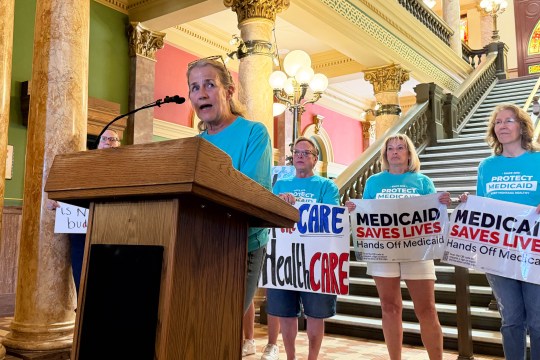
Passed last year, President Trump’s One Big Beautiful Bill Act made significant changes to Medicaid—the primary insurance provider for health and long-term care for people with low incomes. These changes are expected to lead to coverage loss for many current enrollees and will reduce funding for Medicaid, placing new financial pressures on states and health care providers. On July 23, KFF and States Newsroom hosted an event focused on the impacts of work requirements and other federal policy changes on states, health care systems, and people.

new and noteworthy

understanding medicaid

Medicaid Financing

Medicaid represents $1 out of every $5 spent on health care in the U.S. and is the major source of financing for states to provide health coverage and long-term care. This brief examines key questions about Medicaid financing and how it works.

Medicaid Program Integrity

This brief explains what is known about improper payments and fraud and abuse in Medicaid and describes ongoing state and federal actions to address program integrity.

Medicaid and Provider Taxes

All states except Alaska cover some state Medicaid costs with taxes on health care providers. This brief uses data from KFF’s 2024-2025 survey of Medicaid directors to describe current practices and the federal rules governing them.

Medicaid and Hospitals

Absorbing reductions in Medicaid spending could be challenging for hospitals, particularly for those that are financially vulnerable. This brief provides data on the reach of Medicaid across hospitals, patients, and charity care.

Medicaid Home Care

This issue brief provides an overview of what Medicaid home care (also known as “home- and community-based services”) is, who is covered, and what services were available in 2025.

Dual Eligibles

Stay informed.

Stay informed.

Filter

2,381 - 2,390 of 2,733 Results

  • State-Specific Section 1115 Waiver Fact Sheets

    Issue Brief

    The Kaiser Commission on Medicaid and the Uninsured is closely following waiver activity to provide information on how these waivers are impacting the uninsured and affecting Medicaid and SCHIP and the coverage provided to low-income beneficiaries. Tennessee Section 1115 Waiver Amendment Proposal Fact Sheet California Section 1115 Waiver Fact Sheet Colorado Section 1115 Waiver Fact Sheet Delaware Section 1115 Waiver Fact Sheet Illinois Section 1115 Waiver Fact Sheet Maine Section 1115 Waiver Fact Sheet New…

  • Health Insurance Premiums and Cost-Sharing: Findings from the Research on Low-Income Populations

    Issue Brief

    Health Insurance Premiums and Cost-Sharing: Findings from the Research on Low-Income Populations This policy brief reviews studies on the impact of premiums and cost-sharing, particularly on low-income populations, and finds that premiums generally depressed participation in public programs and cost-sharing affected health utilization, access and outcomes. Policy Brief

  • Where Is The Growth in the Uninsured Population Coming From?

    Other Post

    The Kaiser Commission on Medicaid and the Uninsured co-sponsored a policy briefing today to discuss the dynamics of the uninsured population in America. In 2001, the uninsured population grew by 1.4 million people. To increase understanding of who these people are and answer the question of whether the uninsured problem was shifting to higher-income Americans, findings from two new KCMU reports were presented. You may also view background materials on the uninsured and a webcast…