Early Impacts of the Medicaid Expansion for the Homeless Population

Authors: Barbara DiPietro, Samantha Artiga, and Alexandra Gates
Published: Nov 13, 2014

Executive Summary

The Affordable Care Act (ACA) Medicaid expansion offers a significant opportunity to increase coverage and improve access to care for individuals experiencing homelessness, who historically have had high uninsured rates and often have multiple, complex physical and mental health needs. This analysis provides an early look at the impact of the expansion for homeless providers and the patients they serve, building on an earlier brief examining the potential role of Medicaid expansion for this population. It is based on focus groups conducted with administrators, providers, and enrollment workers at four sites serving homeless individuals in states that have expanded Medicaid (Albuquerque, NM; Baltimore, MD; Chicago, IL; and Portland, OR) and one site in a state that has not expanded (Jacksonville, FL), as well as administrative data collected from the sites.  It finds:

The Medicaid expansion has led to significant increases in coverage that are contributing to improved access to care and broader benefits for homeless individuals. Participants and data from the study sites indicate that the Medicaid expansion has led to significant gains in coverage among the individuals they serve (Figure 1). Providers reported that these coverage gains have enabled patients to access many services that they could not obtain while uninsured, including some life-saving or life-changing surgeries or treatments. Participants also identified other broader benefits for homeless individuals stemming from Medicaid coverage gains. For example, providers noted improvements in individuals’ ability to work and maintain stable housing due to better management of health conditions. In addition, participants said individuals have reduced financial stress and improved access to other services and programs, including disability benefits.
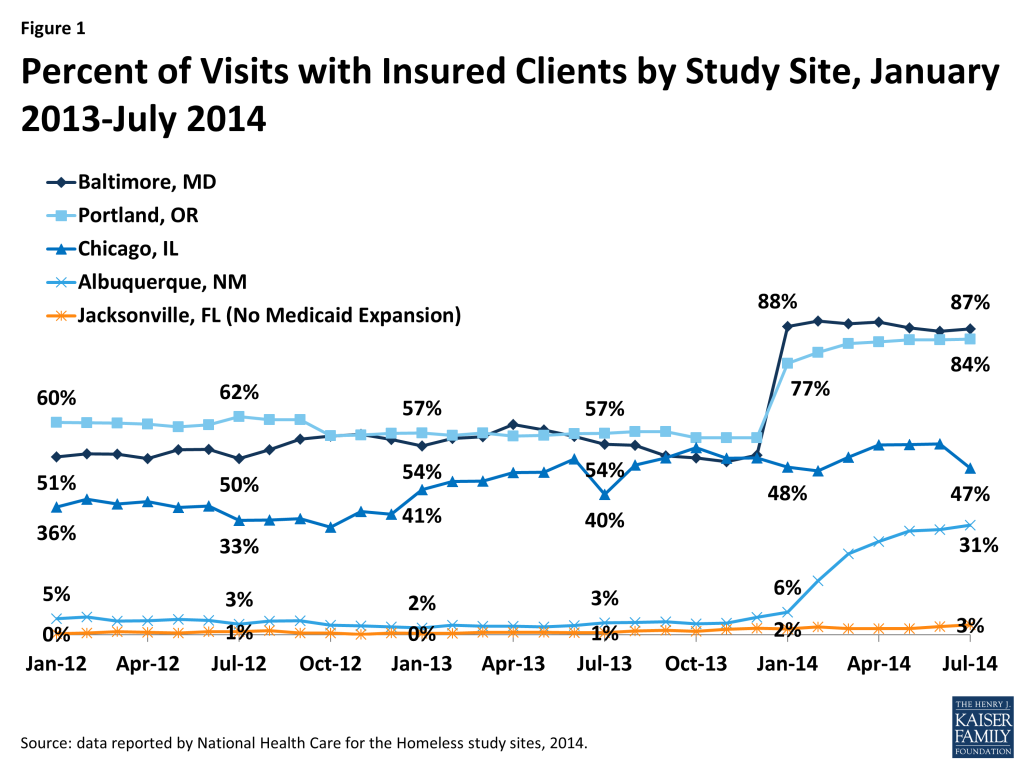
Figure 1: Percent of Visits with Insured Clients by Study Site, January 2013-July 2014

“A couple of my patients have had surgeries that have allowed them to return to work and now that they have a regular paycheck, they are able to get housed,” Provider, Baltimore

Providers reported having access to a broader array of treatment options as a result of Medicaid coverage gains among their patients. With these increased options, providers said they are better able to provide care based on the best courses of treatment rather than based on the availability of charity or discounted resources.

“It’s easier now if I say, take your insurance and go to the pharmacy…instead of me or the nurse having to fill out a bunch of paperwork and apply to the drug company or see what we have in samples and if we’re going to have enough for next time.” Provider, Portland

Gains in Medicaid revenue are facilitating strategic and operational improvements focused on quality, care coordination, and information technology. In addition, administrators indicated that Medicaid revenue gains supported staff increases and led to changing staff roles to meet increased administrative and billing needs. However, participants emphasized that, even with Medicaid revenue gains, other funding sources remain vital for supporting the full range of services needed by the homeless population.

Participants from the non-expansion site indicated that their patients remain uninsured and are continuing to face significant gaps in care that contribute to poor health outcomes. Participants also said they are facing an increasingly challenging financial situation because they are missing out on Medicaid expansion revenue gains and other funding sources are declining.

“A lot of it is just outright begging for care for these patients. You just miss that opportunity to pick it up in a more treatable stage.” Provider, Jacksonville (non-expansion site)

As homeless patients gain Medicaid coverage and are enrolled in managed care, some challenges are emerging. Participants commented that some patients are being auto-assigned to providers with whom they do not have an existing relationship and/or they may have difficulty accessing due to lack of transportation. Additionally, working within provider networks can be difficult given the complex needs of individuals, lack of transportation, and the limited experience among other providers in serving this population. Lastly, participants emphasized that prior authorization requirements and limited and/or changing drug formularies are leading to delays in care for individuals and creating substantial administrative burdens for providers.

Looking ahead, participants identified a number of priorities for meeting the health care needs of the homeless population. It was noted that maintaining coverage and educating individuals on how to use coverage will be key for shifting care patterns and reducing emergency room use. Further, maintaining other sources of funding will be key for supporting the full range of services they need. As homeless individuals are increasingly enrolled into managed care, it will be important to address their specific needs to minimize barriers to care and administrative burdens. Amid the shifting financial and delivery environment, maintaining supportive and case management services, addressing social determinants of health, and building upon interdisciplinary team-based models of care developed by homeless providers all will be key for engaging individuals in care. Finally, as broader payment and delivery reforms are implemented, it will be important for them to reflect the poorer health status and more complex health needs of the homeless population.

Introduction

One of the key goals of the ACA is to expand coverage and reduce the number of uninsured. A primary way the ACA seeks to reduce the number of uninsured is by expanding Medicaid to low-income adults (with incomes at or below 138% of the federal poverty level or $16,105 for an individual or $27,310 for a family of three as of 2014) who were historically ineligible for the program. As enacted, this expansion would occur in all states as of January 1, 2014. However, the Supreme Court ruling on the ACA effectively made the expansion a state option. As of November 2014, 28 states, including DC, are implementing the expansion.

The Medicaid expansion offers a particularly significant opportunity to increase coverage and improve access to care for individuals experiencing homelessness, who historically have had very high uninsured rates and often have multiple, complex physical and mental health needs. A prior brief examined how homeless health care providers were preparing for the Medicaid expansion and their anticipated impacts of the expansion.1  This brief builds on that previous work to identify early impacts of the expansion for homeless providers and the patients they serve as well as key priorities for meeting the health care needs of the homeless population looking ahead. While the findings are focused on the homeless community, they offer insights that may help inform understanding of how coverage gains are impacting the broader low-income population.

Overview of the Homeless Population

Each year, millions of people experience homelessness in the U.S. Though the total number is unknown, the U.S. Department of Housing and Urban Development (HUD) found that 1.48 million people stayed in emergency shelters or transitional housing in 2012.2  However, this estimate excluded individuals who avoided the shelter system, used privately funded shelters not part of HUD’s Continuum of Care network, or who stayed with friends and families to avoid the streets. On a single night in January 2013, HUD estimated 610,042 people were homeless in the U.S., of which 64% were individuals and 36% were part of families.3  This estimate also undercounts the number of people who are homeless, but represents the best attempt to collect national data across all states.

People who are homeless have high rates of both chronic disease and acute illnesses, with many of these conditions associated with and/or exacerbated by their living situations. There is a wide body of literature on the health status and conditions of homeless persons, which shows that they have a broad range of mental health and substance use needs that often are co-occurring with physical conditions.4 ,5  Higher exposure to violence, malnutrition, and extreme weather are additional risk factors for poor health and premature death.6 , 7  Often because of poor health and lack of housing, this population also frequents emergency rooms and hospitals more often than the general public, and has high rates of readmissions.8 

Prior to Medicaid expansion, homeless individuals were uninsured at high rates even when compared to other low-income groups. Of the 851,641 patients served by Health Care for the Homeless grantees in 2013,9  57% were uninsured, compared to 35% uninsured patients served at all health centers and over four times the rate of the general population (Figure 2).10 ,11  Despite having access to outpatient primary care and behavioral health services at health centers and other safety net venues, lack of health insurance has prevented this population from accessing the broader range of services needed to address their health conditions, such as specialty care, residential treatment, and surgeries. Being uninsured has also prevented a more systemic analysis of their utilization and cost of care given the lack of coordinated data available through insurers. Finally, connecting this particularly vulnerable group to health insurance is important for the providers who serve them, as they have traditionally relied on unpredictable grant funding and limited pro bono services in the community.
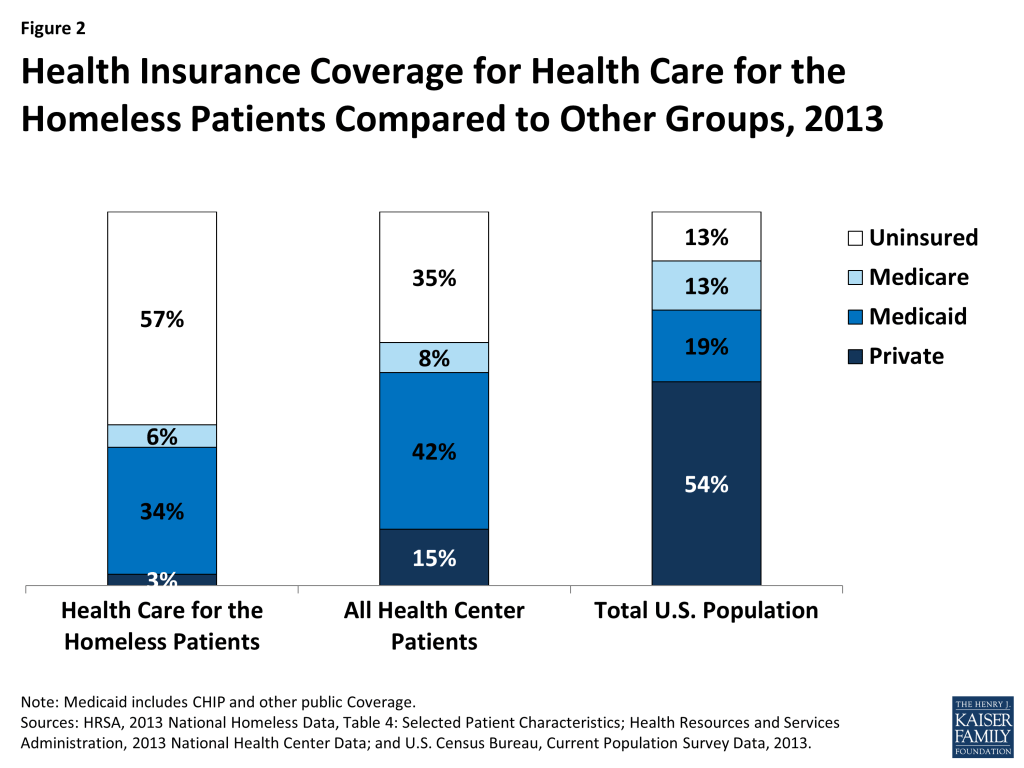
Figure 2: Health Insurance Coverage for Health Care for the Homeless Patients Compared to Other Groups, 2013

Methodology

To gain insight into the early impacts of the Medicaid expansion for the homeless community, the National Health Care for the Homeless Council  and the Kaiser Commission on Medicaid and the Uninsured conducted focus group discussions with staff and community partners at federally qualified health centers that serve individuals experiencing homelessness at four sites in states that have expanded Medicaid (Albuquerque, NM; Baltimore, MD; Chicago, IL; and Portland, OR). Focus groups were also conducted at a site in Jacksonville, FL to gain insight into experiences in a state that has not expanded. In addition, health coverage and administrative data were collected from each of the sites to supplement the focus group findings. See Appendix Table 1 for and overview of the data.

Overall, a total of 118 professionals participated in 14 focus groups held between July and September 2014. Three focus groups were held in each of the four expansion sites—one composed of frontline outreach and enrollment workers, another composed of administrators and finance staff, and the third consisting of clinicians, case managers and other service providers. In Jacksonville, Florida, two focus groups were held—one with administrators, finance staff and clinicians, and another with frontline outreach and enrollment staff.

Key Findings

Enrollment

Changes in Coverage

Participants in the Medicaid expansion sites reported significant gains in health insurance among patients, while there were no reported coverage changes in the non-expansion site. Participants noted that the Medicaid expansion provided a new coverage pathway for many of their previously uninsured patients. In three of the sites, they indicated that state initiatives to facilitate enrollment supported rapid coverage gains under the expansion. Specifically, in Chicago, the state adopted an option to get an early start on the expansion in Cook County. In Baltimore, individuals enrolled in a pre-existing limited benefit program for adults (Primary Adult Coverage program) were automatically transitioned to the Medicaid expansion when it took effect on January 1st. Finally, in Portland, the state took up an option to utilize data from its Supplemental Nutritional Assistance Program (SNAP) to expedite enrollment into the Medicaid expansion. In contrast to coverage gains at sites in states that expanded Medicaid, participants in Jacksonville said that they have seen no significant changes in coverage. The majority of their patients remain uninsured and ineligible for Medicaid in the absence of the expansion.

Coverage data from the sites are consistent with participants’ reported coverage changes. As shown in Figure 3, in Baltimore and Portland, the share of site visits with clients who have health insurance rose sharply as of January 2014, reflecting rapid coverage gains from the transition of the existing adult coverage program to the expansion in Maryland and the SNAP facilitated enrollment initiative in Oregon. Albuquerque also shows gains in the share of patients with insurance beginning in January 2014, although the increase is not as sharp. In Chicago, the rise in the share of visits with patients who have insurance begins earlier, at the end of 2012, reflecting the early expansion in Cook County, and then there are periods of decline that reflect some losses in coverage at renewal periods. In contrast, in Jacksonville, where Medicaid was not expanded, there is no notable increase in the share of visits with insured patients over the period.
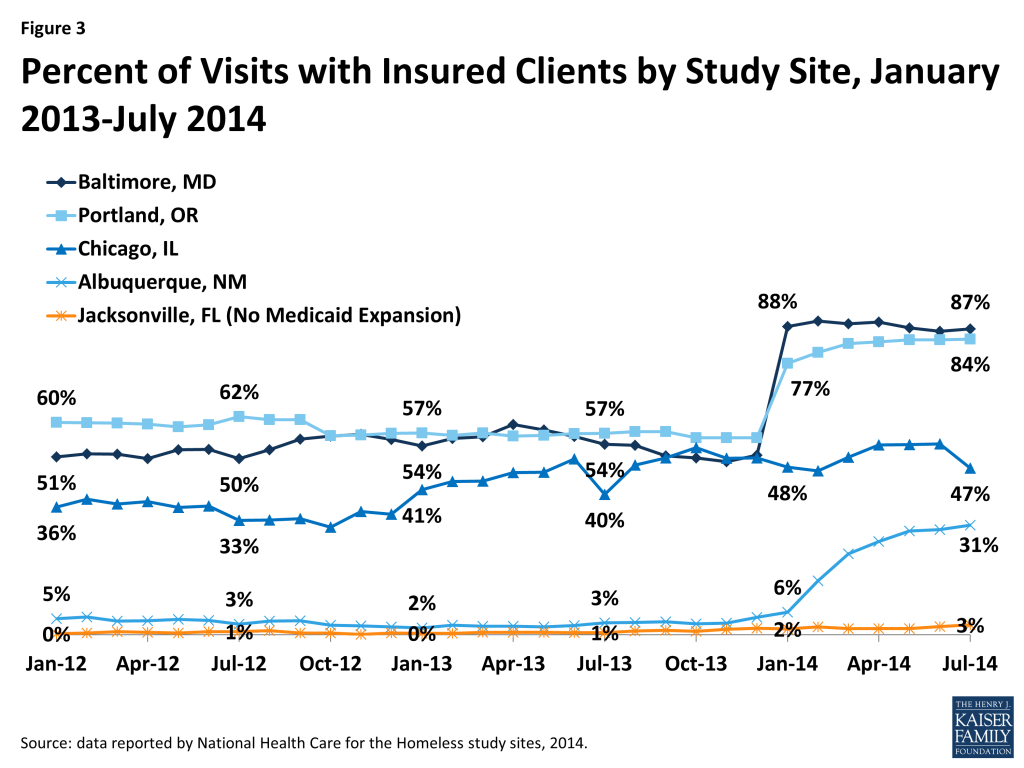
Figure 3: Percent of Visits with Insured Clients by Study Site, January 2013-July 2014

Looking ahead, outreach workers are focused on maintaining coverage. Although policies are intended to facilitate auto-renewal for eligible individuals, outreach workers expressed significant concerns that individuals may lose coverage at renewal, particularly if systems are unable to automatically verify income for individuals. In two of the sites, all individuals will have to re-enroll at redetermination because the state is transitioning to a new enrollment system. Overall, outreach workers were confused about renewal processes and wanted more information to be able to support continuous coverage for individuals.

Outreach and Enrollment Experiences

Outreach through a broad range of settings was successful in reaching and enrolling individuals experiencing homelessness, who were generally eager to enroll and access services. Frontline outreach and enrollment workers noted that, in addition to conducting in-reach to enroll patients at their clinic sites, they conducted outreach in a wide range of community locations, including emergency shelters, encampments, under bridges, at parole and probation offices, day programs/drop-in centers, hospital emergency rooms, churches, and food pantries or soup kitchens. Participants agreed that having regular outreach schedules and developing trusting relationships with clients was a crucial step in engaging clients, particularly since they had broader goals beyond enrollment of engaging individuals in services. Participants found that individuals were usually interested in enrolling in coverage, although they sometimes had doubts about whether they would qualify or concerns about sharing their information with the government. In particular, individuals were most excited about potentially gaining access to prescription drugs, mental health and substance use services, and dental and vision care. Participants also said that individuals wanted the peace of mind of financial protection from large medical bills. To facilitate enrollment, assisters spent a considerable amount of time explaining to individuals why health insurance was important, the benefits of enrolling in coverage, and how the ACA had broadened eligibility for Medicaid compared to when individuals may have previously tried to enroll.

“….We go anywhere that we feel like they need help in our community.” Outreach Worker, Baltimore

“A lot of people haven’t been covered for years; they are just happy that they could get some medical treatment.” Outreach Worker, Portland

“…they’d say ‘oh, so I won’t get all these bills?’ No, you won’t. And so that was a big motivator….”  Outreach Worker, Albuquerque

Outreach workers in the Medicaid expansion sites found that nearly all homeless individuals they assisted were eligible for Medicaid, while those in the non-expansion site found that most of the homeless population remained ineligible for coverage. In the expansion sites, outreach workers reported that nearly all individuals they assisted within the homeless population were eligible for Medicaid, although they did work with some individuals who were not eligible due to immigration status. They also encountered a few cases in which a homeless individual had a job and was just above the income limit for Medicaid. In these cases, coverage through the Marketplace was unaffordable, even with the premium subsidies. In Jacksonville, where the state did not expand Medicaid, outreach workers reported that most individuals were not eligible for Medicaid and did not have enough income to qualify for premium tax credits for Marketplace coverage. Enrollment workers in Jacksonville said that many individuals were confused about why they were not eligible for coverage because marketing campaigns were encouraging everyone to enroll, and some were fearful of being fined for not having insurance. They noted that clients were disappointed, angry, and frustrated when learning they were not eligible for coverage. Assisters tried to help connect individuals to available care by creating resource sheets that listed free or low-cost service sites, but, overall, felt it was difficult to conduct outreach and enrollment efforts when many people do not qualify for coverage.

Individuals within the homeless population needed substantial assistance with the application and enrollment process. Outreach and enrollment workers stressed that one-on-one assistance with the application process was key for enrolling individuals, particularly given their limited experience with health insurance and other enrollment barriers, including limited literacy, lack of access to the internet, language barriers, and confusion about coverage options. They further noted that enrollment was hampered by problems with online enrollment systems, particularly at the outset of open enrollment. Although systems problems impacted the broader population, there were some challenges that particularly impacted the homeless population including difficulty verifying identity for individuals without a credit history and verifying income for people with no income as well as systems failing to recognize when an individual is no longer incarcerated. Outreach and enrollment workers were hopeful that these system-related issues were short-term and that there would be a smoother enrollment process going forward. Participants said they often tracked the status of applications until a final eligibility determination was received since individuals may have difficulty obtaining communications from the state without a fixed address and/or trouble understanding notices. Moreover, in the expansion study sites, after an individual is determined eligible for Medicaid, he or she must then enroll in a managed care plan. Outreach and enrollment workers noted that individuals needed assistance selecting and enrolling in a plan. However, they said it was challenging to determine the differences between plans and explain them to individuals.

“If you didn’t have significant credit history or things like that, it couldn’t verify people’s identity, which just added an extra barrier to getting folks enrolled.” Outreach worker, Baltimore

“We keep a spreadsheet of everybody that we enroll and we keep going back to look if they’ve been approved.” Outreach worker, Albuquerque.

“The paperwork was confusing that they would get in the mail.” Outreach worker, Albuquerque

Homeless individuals need significant education and assistance to learn how to utilize their health coverage. Participants stressed that many of the homeless individuals who have gained Medicaid coverage have limited or no prior experience with health insurance and have typically delayed and/or gone without needed care and relied on the emergency room as a primary source of care. As such, they indicated that individuals need education and assistance to establish a relationship with a primary care provider and understand how to receive care and services within their provider network.

“There needs to be an educational piece, because a lot of people haven’t had primary care maybe ever and don’t even really know what it means to have a routine visit with a provider to get those preventative services.” Provider, Baltimore

Impacts of Coverage Gains for the Homeless Population

Participants reported that gains in Medicaid coverage have led to improved access to care for the patients they serve. Providers noted that gains in Medicaid coverage have enabled their patients to access many services that they could not previously obtain while uninsured, particularly specialty services, behavioral health services, medications, and medical supplies and equipment. They said they are able to get individuals referred for specialty services and screenings such as mammograms and colorectal screenings more quickly and able to make referrals to orthopedists, oncologists, physical therapists, podiatrists, and other specialists that they often were unable to refer to when their patients were uninsured. Some described instances of individuals receiving life-saving or life-changing surgeries or treatments that they could not obtain while uninsured. In particular, providers indicated that coverage has opened up access to mental health services and medications, which are important for this this population. It also was pointed out that coverage of non-emergency transportation helps individuals access needed services, especially from referral providers who may be located in another part of town. Some participants did note challenges finding certain specialists, although they indicated this was reflective of larger provider capacity limits, particularly for mental health and primary care providers. Participants also said that they are beginning to face backlogs in referrals for some services given the large surge in demand for care as people gain coverage. Further, some participants commented that even though Medicaid copayments are often very limited, they can serve as a barrier to care for this population, particularly if an individual is facing copays for multiple prescription medications.

“We had a gentleman who literally was waiting until January 1st and he had an appointment on the second to get oncology testing that he wasn’t able to access in the past.” Provider, Baltimore

“A lot more people are going to get the services that they’ve been needing.” Provider, Portland

“Now, we can just send them over to [the hospital] which is two, three blocks away.  They can get in that day.” Provider, Chicago

“Any medicated-assisted therapy for substance use, it’s covered now and without that, my clients would have never been able to be successful in recovery.” Outreach worker, Albuquerque

Participants also identified broader benefits for individuals stemming from gains in Medicaid coverage. For example, providers said individuals have obtained surgeries and treatments that will resolve medical conditions and improve their ability to work and maintain stable housing. Additionally, participants commented that individuals have less stress about incurring unpaid medical bills or debt. Moreover, they indicated that reductions in medical debt improve individuals’ ability to access housing and employment program opportunities, since their credit is not negatively impacted by medical debt. Participants also said that obtaining Medicaid coverage helps individuals qualify for disability benefits by facilitating better documentation of their needs. Similarly, in one site, participants noted that Medicaid coverage gains have enabled individuals to get tested for Traumatic Brain Injuries (TBI), which supports their ability to apply for a TBI Waiver program that provides access to housing.

“A couple of my patients have had surgeries that have allowed them to return to work and now that they have a regular paycheck they are able to get housed.” Provider, Baltimore

“That’s something we’re going to start seeing less of—these large hospital bills that are going to negatively impact credit.” Provider, Baltimore

“I feel like they have a much stronger application that we’re turning into Social Security. More medical evidence, for sure.” Outreach worker, Albuquerque

Participants said that individuals are more empowered to manage their health and participate in decisions related to their health care as a result of gaining coverage. Providers and enrollment workers described how gaining health coverage and having a choice of plans and providers opened up new personal interest in health care among individuals. Participants recognized that some of this initial excitement may diminish over time, but nonetheless felt that this response provides an important new opportunity for engagement with a population that often has limited choice and control over the options available to them.

“The other thing that is a little bit more intangible is the excitement that patients feel in the choices that they have. They’re feeling quite empowered, they’re extraordinarily excited when they hear the types of things that they now have access to.” Provider, Albuquerque

Participants in the non-expansion site described a contrasting experience with individuals continuing to face significant barriers to care and poor health outcomes. Participants in Jacksonville noted that, without insurance, individuals continue to rely on limited pro bono services, have difficulty accessing needed treatments and specialty services, and utilize the emergency room for dental emergencies and acute mental health stabilization. As such, overall, they experience ongoing poor health, worsening of conditions, and, in some cases, preventable deaths.

“A lot of it is just outright begging for care for these patients. You just miss that opportunity to pick it up in a more treatable stage.” Provider, Jacksonville (non-expansion site)

“It really is people getting care in all the wrong places at all the wrong times in the most expensive way that they can, and that cost just gets shifted around.” Provider, Jacksonville (non-expansion site)

Impacts of Coverage Gains for Providers

Providers indicated that they have wider treatment options available to care for their patients as a result of coverage gains. In particular, providers noted that they have much wider choices of medications, since they are no longer limited to medications available through discounted or free pharmaceutical programs. They provided specific examples, such as being able to prescribe steroid inhalers for asthma or to give monthly injectable mental health medications (rather than daily pills, which have lower compliance rates). With these broader treatment options, providers said they can provide care based on the best course of treatment rather than based on what services or medications they can access through free or discounted programs. They also noted that they have greater ability to provide a stable and consistent treatment plan over time. In contrast, providers in Jacksonville, where Medicaid was not expanded, reported continuing to rely on charity, discounted, and pro-bono services and noted that their treatment choices remained constrained by available resources.

“It’s easier now, if I say, take your insurance and go to the pharmacy and they’ll give you a bottle of pills, instead of me or the nurse having to fill out a bunch of paperwork and apply to the drug company or see what we have in samples and see if we’re going to have enough for the next time.” Provider, Portland

“So it helps not only them, but it helps the primary provider not to feel like we’re practicing frontier medicine, in that we’re actually being helped by the people trained to provide the specialty care that the patients need.  It’s been good for us and for them.” Provider, Baltimore

The study sites in Medicaid expansion states are experiencing increases in third-party payments as their patients are enrolled in Medicaid. Because the homeless patient population has largely been uninsured, providers serving the population have traditionally relied on a diverse range of public and private grants and donations as the bulk of their revenue. Third-party payments from insurers previously represented a very small percentage of their revenue. Administrators reported that gains in Medicaid coverage are now leading to an increased share of revenue coming from third-party payments, but indicated that other sources of funding, including public and private grants and donations, are declining at the same time. Administrators in Jacksonville, where Medicaid was not expanded, said they are missing out on potential Medicaid revenue gains without the expansion. However, they have experienced some increase in Medicaid revenues by amplifying efforts bill for reimbursable services. Overall, however, administrators in Jacksonville said they are facing an increasingly challenging financial situation due to declining grant dollars and donations and missed funding opportunities because their state has not expanded Medicaid.

Administrators indicated that gains in Medicaid revenue are facilitating longer-term strategic and operational improvements. Administrators noted that their historic reliance on fluctuating and unpredictable grant funding made it difficult to invest in structural improvements and plan for growth over the long-term. They commented that the shifts to Medicaid revenue are allowing them to implement longer-term performance improvements because they can plan based on patient volume and need rather than around varying short-term grant requirements. As a result of more stable revenue, they reported engaging in new initiatives focused on improving quality of care, care coordination, and information technology infrastructure. They also cited opportunities to allow clinicians to dedicate some portion of their time to administrative functions, such as care team management and leadership.

“What it’s allowed us to do is to think about growth, organizational growth as driven by volume and not driven by our ability to get another grant.”  Administrator, Baltimore

Administrators reported increasing staffing levels and/or shifting staff responsibilities in response to Medicaid coverage gains. Administrators indicated that gains in Medicaid revenue have created new opportunities to add staff to meet existing needs and expand services. However, they also noted that staffing needs have changed as a result of increased need for billing managers, data specialists, and care coordination staff. As such, they reported hiring both clinical and administrative staff and/or shifting responsibilities of existing staff. In addition, participants at some of the sites indicated that there is a high level of burn-out among existing staff and significant competition for providers in the community, which has increased the importance of strong recruitment and retention policies.

“We believe that, by the end of the year, if we’re hiring all the positions that we have budgeted for, we’ll have 170 staff members up from about 140 last year.” Administrator, Baltimore

“We’ve certainly had to add more providers and behavioral health clinicians to meet increased demand.” Administrator, Portland

“We’ve added…some referrals staff and care coordination staff and also some staff specifically dedicated to managed care.” Administrator, Chicago

Participants emphasized that, even with Medicaid coverage gains, other funding sources remain vital for supporting the full range of services needed by the homeless population. Administrators stressed that Medicaid does not cover the full range of supportive services provided to patients. In particular, they noted that outreach, case management, nursing visits, some behavioral services, and housing and other support services are often not billable services. While they recognized that these services are included in the bundled Medicaid reimbursement health centers receive, participants indicated that the homeless population requires a more intensive level of care than covered by that rate, and pointed out that these services are typically not billable when provided outside a medical visit or by a non-billable provider. They also commented that the state’s Medicaid reimbursement rates rarely cover the full cost of care, particularly for behavioral health and dental care. As such, participants stressed that other sources of funding, including federal, state, and local grants as well as private philanthropy, remain vital to maintaining operations and services even with gains in Medicaid coverage. Participants were concerned that decreases in these other funding sources may make it difficult to maintain supportive services going forward and limit resources available for individuals who remain uninsured, including undocumented immigrants.

“The navigation piece and the additional hand-holding and helping them to figure out where they’re supposed to go and that they actually get there is a big piece of work that is unreimbursed.” Administrator, Baltimore

“There’s a sense that oh, you have a windfall of Medicaid now, we don’t need to give you these other funding streams that we gave you that supported your operation.” Administrator, Albuquerque

“The additional needs aren’t reimbursable.” Provider, Chicago

ACCESS TO AND DELIVERY OF CARE

Supporting Access to Care for the Homeless Population

Participants emphasized that case management and supportive services as well as an open, trusting, and integrated care environment are key for engaging homeless individuals in care. All participants referenced the need for dedicated staff to help patients navigate the system, fill out paperwork, make phone calls, work with managed care plans, obtain necessary paperwork and documentation, conduct needs assessments, assist with transportation to appointments, help refill medications, connect individuals to other programs and benefits, and many other activities. Participants also noted that providing an open-access and non-judgmental environment is important. For example, health centers serving this population typically have no copays or out-of-pocket costs, do not issue penalties for late or missed appointments, and emphasize a trusting relationship with patients. Moreover, they described how homeless providers utilize a team-based approach to provide integrated care to address individuals’ physical, behavioral, and social needs.

“It’s very much just open access.” Provider, Baltimore

“It’s not only about making sure that we have the appointment, the important part is making sure they get to the appointment.” Provider, Portland

“We have lots and lots of warm handoffs within the agency and so a person could walk in our door and the same day would have a behavioral health provider and a medical provider, who are crossing over one to the other….” Provider, Albuquerque

Participants pointed to the importance of addressing social determinants of health like poverty, hunger, lack of housing, and unemployment to support improved access to care and health outcomes and reduce health costs. Participants stressed that lack of housing is a key impediment to care and improved health for individuals and commented that permanent supportive housing is an effective model for supporting individuals with significant health conditions. Participants noted that Medicaid cannot pay for housing, but that support for housing would reduce costs by preventing repeat hospitalizations and emergency room visits. Participants also pointed out that lack of housing has implications for hospitals who incur longer lengths of stay and higher readmissions when patients have no safe discharge options. In these cases, medical respite programs can provide patients a place to rest and recuperate after surgeries or illnesses, while allowing some time to connect to other resources.12  In addition, hunger and lack of appropriate food were mentioned as challenges for this population, who generally have no place to store food and eat at soup kitchens, which tend to serve high-salt, high-starch diets that exacerbate medical conditions such as hypertension and diabetes.

“If they have some housing or something under their feet, then a lot of the other things can fall into place. It’s really hard to heal somebody’s wound if they’re lying on the street and if they don’t have a place where their medication can be safe.” Provider, Portland

“We can write prescriptions, we can send referrals, get people into specialty services, but if we were actually able to house people that’s the best way to improve their health.” Administrator, Baltimore

Although patients have increased choice of providers after gaining Medicaid coverage, most individuals are continuing to rely on providers who serve the homeless population. Participants described some instances of patients seeking care from alternative providers, but then returning to the homeless provider because they felt like they were not treated with respect and did not have a good patient experience at the other provider. Even so, administrators noted that, with the gains in Medicaid coverage, it is increasingly important for safety-net providers to establish themselves as a provider of choice, rather than a provider of last resort. As such, they are focusing on patient satisfaction, care coordination, and quality to provide a first choice medical home for their patients.

“They were treated like they shouldn’t have been there… they said that it actually started from the front desk all the way to the end of the appointment.”  Administrator, Albuquerque

“We’ve had kind of a public image of being a place you go when you can’t go anywhere else.  Now, we strive to provide great care and we would like to believe our care is as good as anybody else’s.” Administrator, Portland

Challenges Providing Care to the Homeless Population through Managed Care

In the expansion study sites, individuals gaining Medicaid coverage are enrolled into Medicaid managed care plans. Participants commented that this is leading to some new barriers to care for individuals and administrative burdens for providers as discussed below.

Participants noted that some individuals are being automatically enrolled into plans and assigned to a provider but are having difficulty accessing care through the assigned provider. Participants commented that individuals may have difficulty accessing care through their assigned provider if they do not have an established relationship with the provider, lack transportation, or if the provider’s practice does not accommodate the needs of homeless individuals. Participants have found that it is sometimes challenging for patients to switch providers and that, in some cases, by the time an individual realizes he or she has been auto-assigned to a plan and provider, they are outside the window of time in which they are allowed to make a plan change. As a result, participants reported instances of patients being auto-assigned to a provider, being unable to change their provider back to the health center, and then continuing to utilize the health center as their primary provider. In these cases, the patient may be insured, but the provider remains unable to bill for the services they provide.

“When they were enrolled, a lot of them got assigned to places without their choosing and then to straighten that out was difficult.” Administrator, Portland

“…if they don’t have us listed as their primary care physician and we don’t have a referral on file then we will not be reimbursed for those services.”  Administrator, Chicago

Obtaining care through provider networks is posing some specific challenges for homeless individuals. Participants indicated it is sometimes difficult to find a network that includes all providers caring for a patient, particularly given the complex needs of the individuals they serve. Participants also noted that as a result of working within provider networks, there have been shifts in which specialists and hospitals they use to refer patients. In some cases, these shifts are leading to access barriers due to transportation limitations. Further, some patients have found the change difficult because they would prefer to rely on hospitals and providers that they already have experience using. Participants also commented that when individuals receive care from providers who do not have experience serving the homeless population, they sometimes prescribe treatment plans or medications that are not feasible for individuals who are homeless.

“Having only certain providers taking insurance is not specific to Medicaid, but it’s a big barrier to our patients because of transportation.” Provider, Baltimore

“…they’ll get sent back to us with stuff they obviously can’t do… The other providers are not really having an understanding of the special needs of the population.” Provider, Baltimore

Participants stressed that prior authorization requirements and drug formularies are leading to delays in care for individuals and creating substantial new administrative burdens. Specifically, providers said prior authorization requirements delay patients’ access to services, particularly substance abuse treatment, leading to missed opportunities to connect people to care. Providers noted that prior authorization requirements and drug formularies are different for each managed care plan, and that it is difficult to stay informed about these differences because they change frequently. Providers described cases of writing prescriptions for drugs they thought would be covered and then the patient finding out it is not covered when seeking to fill it. Overall, participants reported substantial time and effort is going toward addressing these requirements, which is taking away from clinical time for providers. Administrators noted that they are hiring staff or shifting existing staff roles to focus solely on these administrative requirements.

“The administrative burden of prior authorizations and the different requirements that all the MCOs have…I don’t think we quantified it, but I think we’ve seen that administrative burden go up and it’s a challenge for the providers for sure.” Administrator, Baltimore

“If you say, okay, well, this referral we have to do, we have to develop this form, we have to call this number, we have to wait three days, whatever it might be—next thing you know, they’re just saying forget it, and then they’re not getting that need met.” Provider, Chicago

Becoming credentialed providers with the managed care plans has been challenging. The study sites in states that expanded Medicaid were seeking to get credentialed with all or most of the Medicaid managed care plans in their area. Participants said the credentialing process has been very challenging and taken a substantial amount of time and administrative resources, particularly since each managed care plan has a separate process and different requirements.

“We’re also run into some problems credentialing… and it’s been somewhere between difficult and a nightmare.” Administrator, Chicago

Participants said that managed care plans are still developing resources, capacity, and experience to coordinate and manage care for the homeless population. Because the majority of homeless individuals have been ineligible for coverage in the past, Medicaid managed care plans have limited experience serving this population. Participants noted that most plans are not familiar with programs and supportive services, including housing, that are key for managing health care utilization and costs for this population. In one site, participants indicated that plans are required to complete in-person health assessments, which are creating significant challenges for homeless individuals, since it is difficult for them to complete the assessment and they are disenrolled if it is not completed. Overall, participants felt some plans have recognized that the homeless population is making up a larger share of their enrollees and are working to increase their understanding of how to manage and support care for this population. However, others have not yet recognized some of the unique challenges and needs of the population. It was noted that obtaining and analyzing utilization, cost, and outcome data and increased collaboration between homeless providers and plans will be key for improving care coordination moving forward.

Delivery and Payment Reform and Data Sharing

Beyond the Medicaid expansion, broader delivery system changes are impacting homeless providers and patients. Three of the study sites (Chicago, Portland, and Albuquerque) are in states that are implementing new care coordination models within their Medicaid programs that are focused on integrating behavioral and physical services. Further, participants in Baltimore noted that the state is reorganizing its behavioral health system. Participants commented that new coordinated care models are leading to shifts in reimbursements that are tied to outcomes rather than utilization. They stressed that as new delivery and payment models emerge, it will be important for payments to reflect and accommodate the poorer health status and more complex health needs of the homeless population to prevent disincentives for serving high-need individuals.

“A homeless population shouldn’t be judged in an outcome based, value based payment structure like me.  I’ve been involved in preventative healthcare and good healthcare my entire life. …That’s a very unfair equation for providers and creates a real disincentive to serve a very needy population.”  Administrator, Chicago

The study sites all have good internal data sharing, but there remain gaps in data sharing with external providers. Participants noted that their health centers have internal electronic health records systems that facilitate providers’ ability to share information and coordinate across primary care, behavioral health and case management services. However, they commented that data sharing with providers outside the health center remains limited. Some are able to view data from multiple hospitals and emergency departments within their communities, while others are only connected to data at one hospital. However, they are only able to view data and do not have the ability to enter data, make changes, or insert notes. As such, coordinating and sharing information with external providers generally still requires phone calls or faxing of reports. Participants felt that increased data sharing would support better care management and continuity of care, particularly among this high-need population and as they begin utilizing care from a wider array of providers.

Conclusion and Implications

Overall, these findings show that the Medicaid expansion has already contributed to key benefits for individuals and providers within the homeless community (Figure 4). Sites in states that expanded Medicaid have experienced significant gains in coverage among their homeless patients. Participants report that these coverage gains have led to improved access to care and other broader benefits, including improved ability to work and maintain housing. Providers feel they have a wider array of treatment options available and that they are better able to provide care based on the best courses of treatment rather than on the availability of charity or discounted services. Administrators note that gains in Medicaid coverage are leading to increases in Medicaid revenue that are supporting longer-term strategic and operational improvements focused on quality, care coordination, and information technology. Increased Medicaid coverage also has supported increases in clinical and administrative staff and led to changing staff roles to meet larger billing and administrative needs. However, even with increased Medicaid revenue, participants stress that other funding sources remain vital for supporting services that are not reimbursable and supporting care for individuals who remain uninsured.
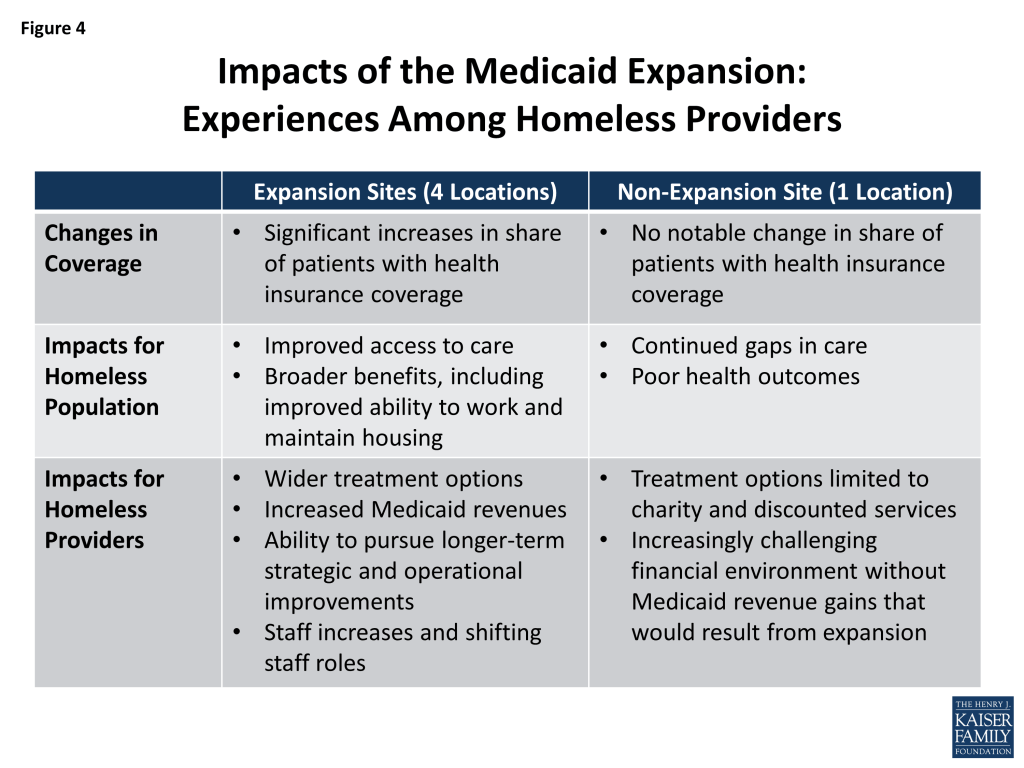
Figure 4: Impacts of the Medicaid Expansion: Experiences Among Homeless Providers

There were sharp contrasts in the experiences of the site where Medicaid was not expanded. Within the non-expansion site, homeless patients remained uninsured. Participants noted that patients continue to face significant gaps in care that contribute to poor health outcomes. Providers reported that their treatment options remain largely constrained to pro-bono, charity, and discounted services. Administrators described an increasingly challenging financial situation, noting that the site is not benefiting from gains in Medicaid revenue that would stem from the coverage expansion and is facing declines in other funding sources.

Looking ahead, participants identified a range of priorities for addressing the health care needs of the homeless population. They suggested that maintaining stable coverage for individuals and educating individuals on how to use their coverage will be key for shifting care patterns and reducing emergency room use. With regard to financing, it will be important to maintain other funding sources outside of Medicaid to support the full range of services that are important serving the population. Further, as homeless individuals are increasingly enrolled into managed care, addressing their specific needs will be key for minimizing barriers to care and administrative burdens. Amid the shifting financial and delivery environment, maintaining supportive and case management services, incorporating social determinants of health into care models, and building upon the interdisciplinary team-based models of care developed by homeless providers all will be key for engaging individuals in care. Finally, as broader payment and delivery reforms are implemented, it will be important for them to reflect the poorer health status and more complex health needs of the homeless population.

This brief was prepared by Barbara DiPietro of the National Health Care for the Homeless (HCH) Council and Samantha Artiga and Alexandra Gates with the Kaiser Family Foundation’s Commission on Medicaid and the Uninsured. The authors extend their deep appreciation to the individuals and organizations who so generously shared their time and efforts to coordinate and participant in the focus group discussions. Staff time of the National HCH Council author is supported by a Cooperative Agreement with the Health Resources and Services Administration(HRSA), Bureau of Primary Health Care, grant number U30CS09746. The publication’s contents are solely the responsibility of the authors and do not necessarily represent the official views of HRSA.

Appendix

Appendix Table 1: Selected Administrative Data from Study Sites
Study SiteAlbuquerque, NMBaltimore,MDChicago,ILPortland,ORJacksonville, FL
Number of Patients (2013)4,34810,0728,5707,1595,237
2014 Budgeted Revenue$6,217,575$15,995,409$23,084,922$41,709,430$3,887,217
Share of Patients with Selected Health Conditions (2013)
Hypertension18%25%21%31%30%
Diabetes9%8%9%18%16%
Asthma7%10%9%7%10%
HIV<1%3%18%1%<1%
Alcohol-related disorders13%12%5%32%4%
Hepatitis C5%6%2%6%1%
Depression/mood disorders28%18%26%25%10%
Other mental health issues15%9%12%16%2%
Percentage of Visits with Clients Who have Health Insurance, January 2012-July 2014
Jan-125%51%36%60%0%
Feb-125%52%39%60%0%
Mar-124%51%37%60%1%
Apr-124%50%38%60%1%
May-124%53%36%59%0%
Jun-124%53%37%60%1%
Jul-123%50%33%62%1%
Aug-124%53%33%61%1%
Sep-124%56%33%61%0%
Oct-123%57%31%57%0%
Nov-122%57%35%57%0%
Dec-122%56%34%57%0%
Jan-132%54%41%57%0%
Feb-133%56%44%57%0%
Mar-132%56%44%57%1%
Apr-132%60%46%57%1%
May-132%58%46%57%1%
Jun-133%56%50%57%1%
Jul-133%54%40%57%1%
Aug-133%54%48%58%1%
Sep-134%51%50%58%1%
Oct-133%50%53%56%1%
Nov-133%49%50%56%2%
Dec-135%51%50%56%2%
Jan-146%88%48%77%2%
Feb-1415%89%47%80%2%
Mar-1423%89%51%83%2%
Apr-1427%89%54%83%2%
May-1430%87%54%84%2%
Jun-1430%86%54%84%2%
Jul-1431%87%47%84%3%
SOURCE: Data collected from National Health Care for the Homeless study sites, 2014.*The prevalence of health conditions will vary widely from site to site based on numerous factors, to include specialized grants/programming aimed at specific conditions, the extent of screening and testing available, and the presence of other targeted community resources.

Endnotes

  1. Kaiser Family Foundation. (September 2012.) Medicaid Coverage and Care for the Homeless Population: Key Lessons to Consider for the 2014 Medicaid Expansion. Available at: https://modern.kff.org/health-reform/report/medicaid-coverage-and-care-for-the-homeless/. ↩︎
  2. U.S. Department of Housing and Urban Development (HUD), Office of Community Planning and Development. (September 2013.) The 2012 Annual Homeless Assessment Report (AHAR) to Congress. Available at: https://www.hudexchange.info/resources/documents/2012-AHAR-Volume-2.pdf. ↩︎
  3. U.S. Department of Housing and Urban Development (HUD). (November 2013.) The 2013 Annual Homeless Assessment Report (AHAR) to Congress, Part 1, Point-in-Time Estimates of Homelessness. Available at: https://www.hudexchange.info/resources/documents/AHAR-2013-Part1.pdf. ↩︎
  4. U.S. Department of Substance Abuse and Mental Health Services Administration (SAMHSA). (July 2011.) Current Statistics on the Prevalence and Characteristics of People Experiencing Homelessness in the United States. Available at: http://homeless.samhsa.gov/ResourceFiles/hrc_factsheet.pdf. ↩︎
  5. Fazel, S., Geddes, JR, Kushel, M. (October 2104.) “The health of homeless people in high-income countries: descriptive epidemiology, health consequences, and clinical and policy recommendations.” The Lancet 384 (9953), 1529 – 1540. Available at: http://www.thelancet.com/journals/lancet/article/PIIS0140-6736(14)61132-6/abstract ↩︎
  6. O’Connell, J.J. (Ed.) (2004.) “The health care of homeless persons: A manual of communicable diseases and common problems in shelters and on the streets.” The Boston Heath Care for the Homeless Program.  Available at: http://www.bhchp.org/BHCHP%20Manual/pages/chapters_sections.html. ↩︎
  7. Morrison, D.S. (2009.) “Homelessness as an independent risk factor for mortality: Results from a retrospective cohort study.” International Journal of Epidemiology, 28(3), 877-883. ↩︎
  8. Ku. B, et al. (May-June 2010.) Factors Associated with Use of Urban Emergency Departments by the U.S. Homeless Population. Public Health Reports 125: 398-405. Available at: http://www.publichealthreports.org/issueopen.cfm?articleID=2402. ↩︎
  9. Known as “Health Care for the Homeless” grantees, these health centers are a special populations category of the health center program, administered by the Health Resources and Services Administration (HRSA). More information about HCH grantees can be found at http://bphc.hrsa.gov/about/specialpopulations/index.html. ↩︎
  10. U.S. Department of Health and Human Services, Health Resources and Services Administration. (2013.) Table 4: Selected Patient Characteristics, 2013 National Homeless Data. Available at: http://bphc.hrsa.gov/uds/datacenter.aspx?q=t4&year=2013&state=&fd=ho. ↩︎
  11. U.S. Department of Health and Human Services, Health Resources and Services Administration. (2013.) Table 4: Selected Patient Characteristics, 2013 National Data. Available at: http://bphc.hrsa.gov/uds/datacenter.aspx?q=t4&year=2013&state. ↩︎
  12. Medical respite care is acute and post-acute medical care for homeless persons who are too ill or frail to recover on the street from a physical illness or injury. Unlike “respite” for caregivers, “medical respite” is short-term residential care that allows homeless individuals the opportunity to rest in a safe environment while accessing medical care and other supportive services. Medical respite care is offered in a variety of settings, to include freestanding facilities, homeless shelters, nursing homes and transitional housing. More information is available at https://www.nhchc.org/resources/clinical/medical-respite/. ↩︎
Coverage of Preventive Services for Adults in Medicaid

Authors: Alexandra Gates, Usha Ranji, and Laura Snyder
Published: Nov 13, 2014

Executive Summary

The Affordable Care Act (ACA) added emphasis to the importance of preventive services in improving lives. As of January 1, 2013, per Section 4106 of the ACA, states can receive a one percentage point increase in their federal Medicaid match rate for preventive services if they cover without cost sharing all the adult preventive services (see Table A1) recommended by the federally-convened U.S. Preventive Services Task Force (USPSTF) and Centers for Disease Control and Prevention’s Advisory Committee on Immunization Practices (ACIP). As of the time of the survey, four states had submitted state plan amendments (SPAs) to receive the 1% increase and since then, 4 additional states (8 total) have submitted SPAs for the enhanced match. States must cover preventive services for adults newly eligible for Medicaid under the ACA, but this is not required for the group of adults enrolled in or eligible for traditional Medicaid prior to the ACA’s expansion of the program.This brief highlights data from a survey of state Medicaid programs conducted by the Kaiser Commission on Medicaid and the Uninsured (KCMU) on coverage of preventive services recommended for non-elderly adults before the ACA was enacted.1 ,2  The survey asked states about coverage and cost sharing in their fee-for-service Medicaid programs as of January 1, 2013 for 40 adult preventive services rated grade “A” or “B” by the USPSTF and immunizations recommended by the ACIP. The survey also asked about coverage for seven additional preventive services for women that are recommended by the Health Resources and Services Administration (HRSA) (see Table A2).3   In total, 39 states and the District of Columbia replied to the survey. Key Findings include:

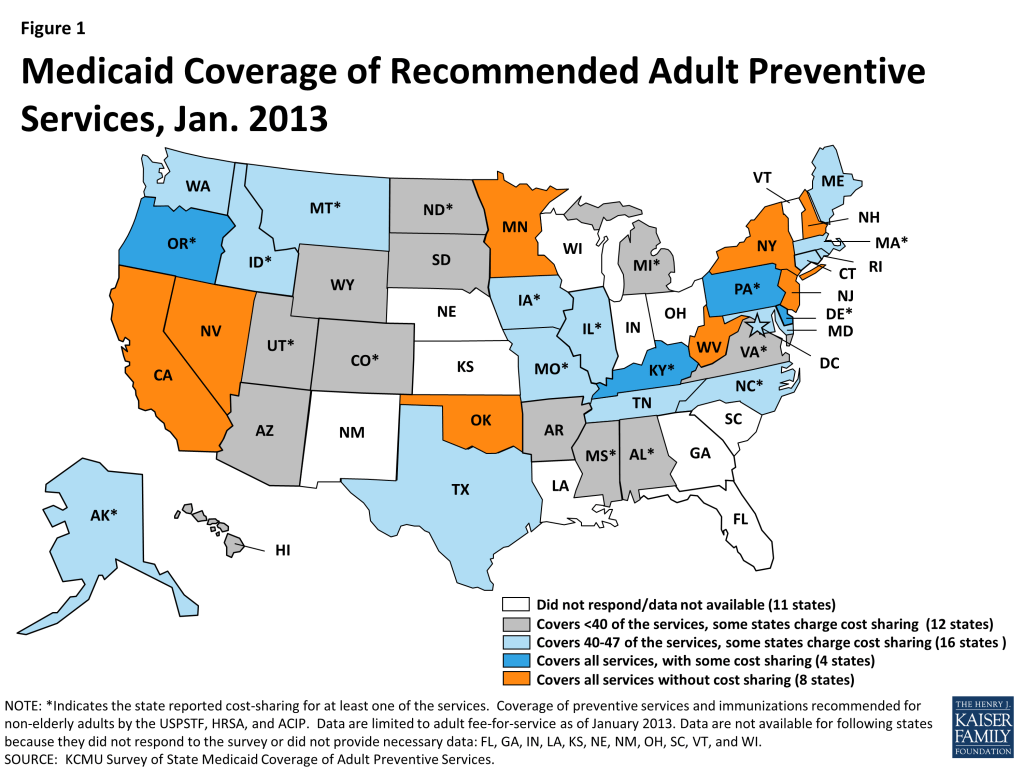
  • While all of the individual preventive services were covered by most (28) state Medicaid programs in 2013, many states charged cost sharing for at least some of the services. Eight states (Figure 1) reported covering all 47 of the preventive services in this survey without cost sharing (California, Minnesota, Nevada, New Hampshire, New Jersey, New York, Oklahoma, and West Virginia).
Figure 1: Medicaid Coverage of Recommended Adult Preventive Services, Jan. 2013
  • Several more states are close to qualifying for the higher matching rate. Four states cover all of the services but charge cost sharing for at least one of the services. Another 16 states cover at least 40 of the services but may charge cost sharing for some.
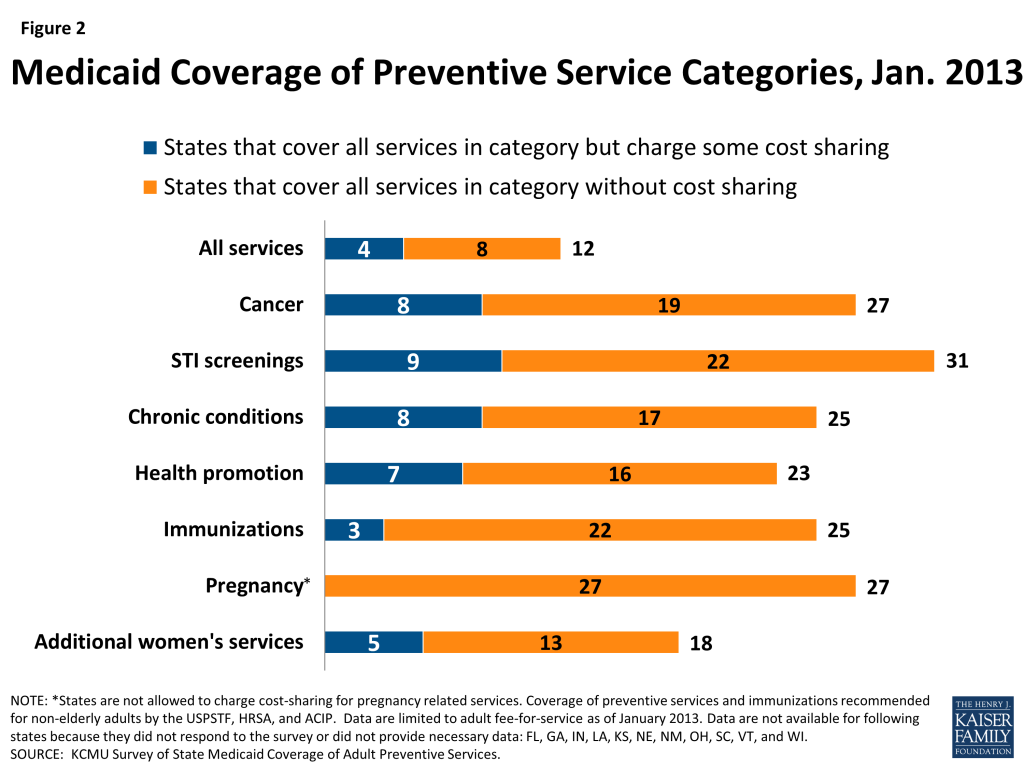
  • More than half of the responding states reported they cover all STI counseling services and immunizations without cost sharing. Most also cover all pregnancy-related services, which are not subject to cost sharing. The majority of states reported covering all of the services in the other categories subject to the enhanced match (cancer screenings, health promotion, chronic conditions), but several states were charging cost sharing for at least one service (Figure 2).
  • Each individual preventive service was covered by at least half and in many cases two-thirds of reporting states.
Figure 2: Medicaid Coverage of Preventive Service Categories, Jan. 2013

Introduction

Preventive services are intended for early diagnosis of health problems and for promoting healthy behaviors that can reduce the risk of developing chronic conditions. Medicaid programs across the country provide coverage to over 66 million low-income individuals, including nearly 33 million low-income children, 18 million adults, and 16 million elderly and people with disabilities.4  The prevalence of chronic conditions tends to be higher among Medicaid beneficiaries compared to those with private insurance as well as those without any coverage; rates of diabetes, hypertension, and heart disease are at least twice as high among adults on Medicaid compared to low-income, uninsured adults.5 

Preventive Services and the Affordable Care Act (ACA)

One of the goals of the ACA was to expand access to preventive services. One of the first requirements of the ACA to be implemented was to require virtually all private health plans to cover recommended preventive services without cost sharing beginning September 2010.6  Medicare also eliminated cost sharing requirements for all recommended preventive services starting January 1, 2013.7 

Under Medicaid, states must cover preventive services for children, while coverage of preventive services for adults in Medicaid has historically been considered optional. Additionally, states have the option of instituting cost sharing for selected beneficiaries and selected services. Given their limited incomes and greater health care needs, federal rules limit the amount of cost-sharing states can charge Medicaid enrollees to help protect them from high out-of-pocket costs and facilitate their access to needed care. States are prohibited from charging any cost sharing for pregnant women as well as children and adults with incomes below the poverty level.

Box 1: Preventive Services for Adults

The preventive services that are subject to the enhanced federal match for Medicaid are those that are recommended for adults by two entities:

  • United States Preventive Services Task Force (USPSTF): USPSTF is housed at the Agency for Health and Research Quality (AHRQ) and develops recommendations for primary care clinicians and health systems after scientific evidence reviews of clinical preventive health care services; and
  • Advisory Committee on Immunization Practices (ACIP): ACIP is housed at the Centers for Disease Control and Prevention (CDC) and develops recommendations for use of vaccines to control disease in the United States.[endnote 134419-7]

One of the pillars of the ACA is the incentive for states to expand eligibility for Medicaid to cover many currently uninsured individuals. In states that expand eligibility (as of October 2014, 27 states and the District of Columbia have expanded), the benefits package for most adults in the new Medicaid expansion group is known as the “Alternative Benefit Plan” (ABP). Under the ABP, states must cover preventive services for adults without cost sharing, but this is not required for the group of adults enrolled in or eligible for traditional Medicaid prior to the ACA’s expansion of the program. However, in order to incentivize states to cover preventive services without cost sharing in traditional Medicaid, Section 4106 of the ACA added an enhanced matching rate of one percentage point to the state’s Federal Medical Assistance Percentage (FMAP) for preventive services if the state covers without cost sharing all of the preventive services recommended by the United States Preventive Services Task Force (USPSTF) and the Advisory Committee on Immunization Practices (ACIP) (Box 1).

In addition, Section 2713 of the ACA authorized the development of an additional set of preventive services for women, which were recommended by the Institute of Medicine (IOM) and subsequently adopted by the federal Health Resources and Services Administration (HRSA). These services must be covered without cost sharing by all new private plans. While these services are not included as part of the requirements for the Medicaid enhanced match for preventive services, they overlap with many of Medicaid’s benefits categories and were recommended as important to fill in gaps in preventive services for women.

This brief highlights data from a survey of state fee-for-service Medicaid programs conducted by the Kaiser Commission on Medicaid and the Uninsured (KCMU) on coverage and cost sharing for 47 preventive services recommended by the USPSTF, ACIP, and HRSA for non-elderly adults as of January 1, 2013.8 ,9  In total, 39 states and the District of Columbia replied to the survey. Findings are summarized in the next section for coverage of cancer screenings, counseling on sexually transmitted infections, chronic conditions, health promotion, immunizations, pregnancy, and women’s health.

Survey Findings

The Kaiser Commission on Medicaid and the Uninsured conducted a survey of Medicaid programs in all 50 states and the District of Columbia on coverage of and cost sharing for preventive services. Thirty-nine states and the District of Columbia replied to the survey. States were asked whether they covered 40 services recommended by the USPSTF and ACIP as well as seven additional services recommended for women by HRSA. States were also asked whether they charge cost sharing for services, except for pregnancy-related services.

Cancer Screenings (Table 1)

Great strides in early detection and advances in treatment options have improved overall cancer survival rates over many decades. The USPSTF recommends three different services related to breast cancer as well as screening tests for cervical and colorectal cancers.

Breast Cancer Mammography, Cervical Cancer, and Colorectal Cancer Screenings

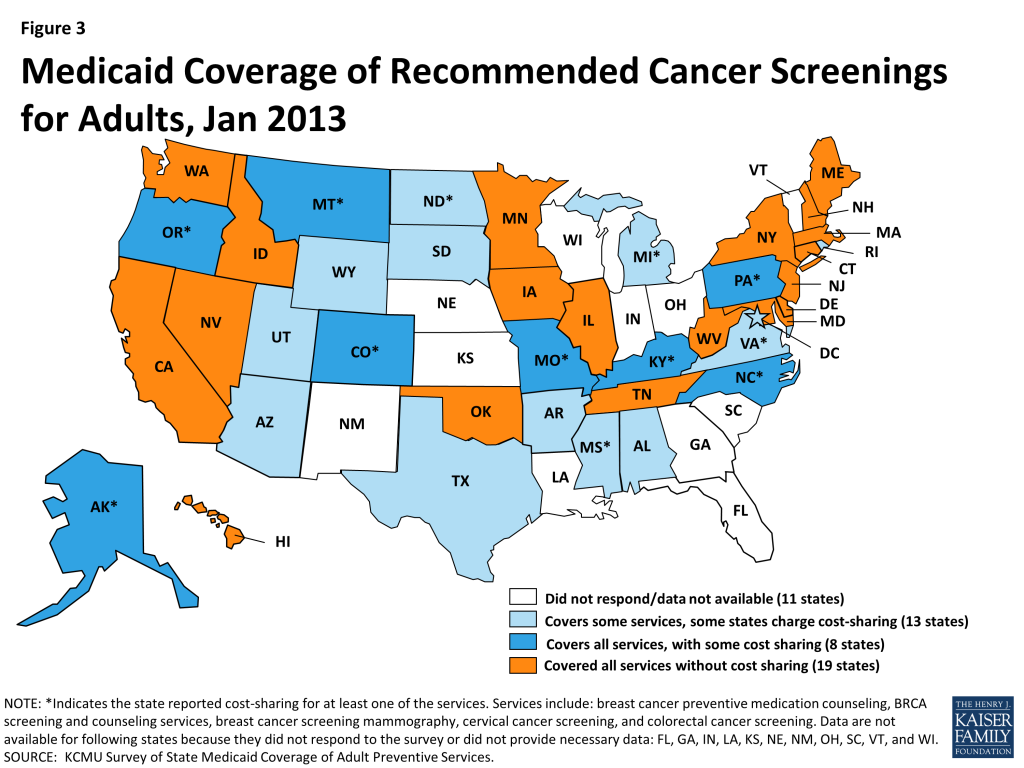
In total, 19 states cover all of the cancer-related services without cost sharing. Virtually all states responding to the survey indicated that they cover mammograms, cervical cancer screenings, and colorectal cancer screenings as recommended by the USPSTF. Arkansas reported that it does not cover both mammography and colorectal cancer screening, and Michigan noted that it does not cover screening for colorectal cancer. Only a handful of states reported cost-sharing for these services (8 states for colorectal cancer screenings, and 7 states for breast cancer mammography and cervical cancer screenings.)

Some states noted mammograms and cervical cancer screenings were at least in part covered through an optional eligibility pathway adopted by all states under the Breast and Cervical Cancer Prevention and Treatment Act. This option allows states to extend Medicaid coverage for cancer treatment to uninsured women diagnosed with breast or cervical cancer through a federal screening program; states receive a higher matching rate for services reimbursed under this program equivalent to the CHIP matching rate.10  A few states also noted coverage of these services under the family planning benefit, which is reimbursed at a 90 percent matching rate.

Breast Cancer Preventive Medication Counseling, BRCA Screening and Counseling

Coverage for two other services recommended by the USPSTF – breast cancer preventive medication counseling and BRCA screening, are not as commonly covered as the cancer screening tests discussed above. These services are recommended only for women who are deemed at high risk of breast cancer or those with a family history of deleterious mutations of select genes. Twenty-eight states cover both of these services; an additional 7 states cover one of these services but not the other. Ten states charge copays for one or both of these services (Figure 3).

Figure 3: Medicaid Coverage of Recommended Cancer Screenings for Adults, Jan 2013

Sexually-Transmitted Infection (STI) Screenings and Counseling (Table 2)

TABLE 2: SEXUALLY-TRANSMITTED INFECTION (STI) SCREENINGS (January 2013)

There are 20 million new sexually-transmitted infections (STIs) every year.11  Undetected and untreated STIs can increase a person’s risk for HIV and can lead to other adverse health consequences, such as infertility. According to the Centers for Disease Control and Prevention (CDC), less than half of people who should be screened for STIs receive recommended screening services.

Chlamydia, Gonorrhea, and Syphilis Screenings and STI Counseling

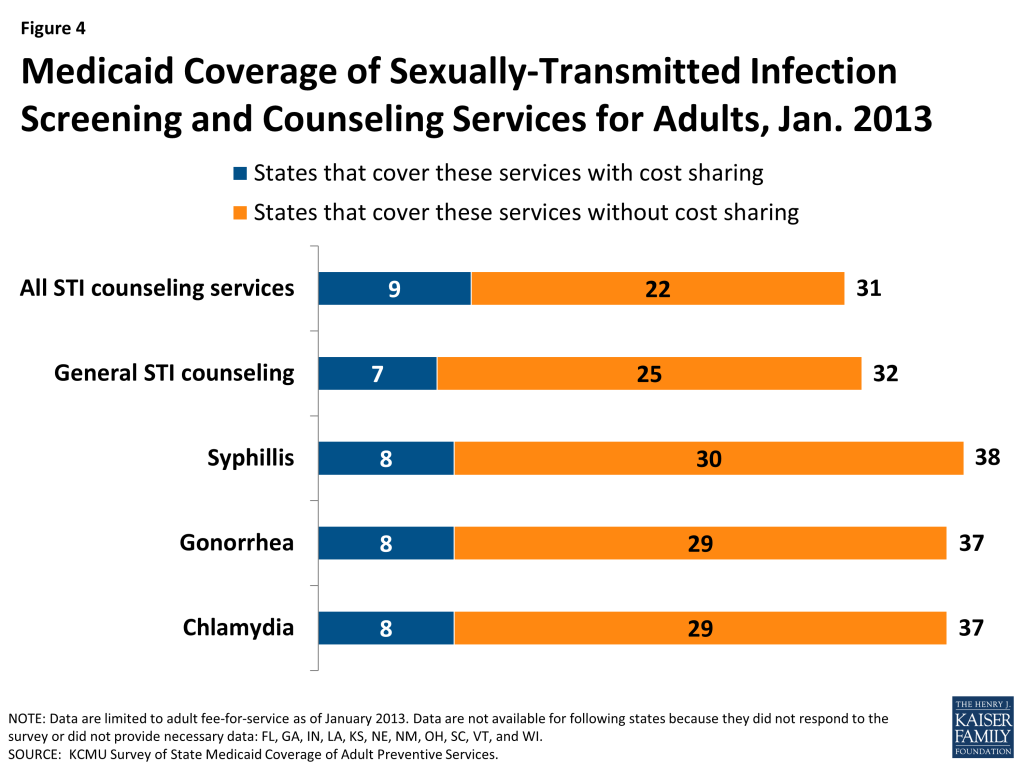
Almost all states participating in this survey reported covering screening tests for Chlamydia, Gonorrhea, and Syphilis as recommended by the USPSTF. Eight states reported that at least one of these STI screenings was subject to cost-sharing. Fewer states cover counseling about STIs as recommended by the USPSTF, though 32 states did report covering this service. Seven states indicated that they charge cost-sharing for STI counseling services. In total, 31 states covered all the STI screenings and counseling services; 22 of these states do so without charging cost-sharing (Figure 4).

Figure 4: Medicaid Coverage of Sexually-Transmitted Infection Screening and Counseling Services for Adults, Jan. 2013

Some states noted some of these services are at least partially covered as family planning services. Family planning is a mandatory benefit for states; however the services covered under this benefit as well as limitations on those services vary across states, though states cannot charge cost-sharing for these services. States receive a 90 percent federal match on services covered under this benefit. Family planning services are not considered to be a preventive service for purposes of receiving the 1% increase in FMAP.

For non-elderly adults, states were surveyed regarding the coverage of two forms of HIV screenings: HIV for high risk populations and routine HIV screenings for adults. These survey results are reported in more detail on the Kaiser Family Foundation’s website at State Medicaid Coverage of Routine HIV Screening.12 

Chronic conditions afflict millions of women and men with Medicaid. Nearly one in ten low-income, non-elderly adult Medicaid beneficiaries have been diagnosed with diabetes, more than two in ten with chronic obstructive pulmonary disease, nearly three in ten with heart disease, and over one-third have been diagnosed with a mental health condition.13  Research has shown that increases in the use of preventive services, particularly screenings and treatment related to cardiovascular disease, can lead to the prevention of a significant number of deaths per year.14 

Prophylactic Aspirin, Blood Pressure, Cholesterol, Depression, Diabetes, and Osteoporosis Screenings

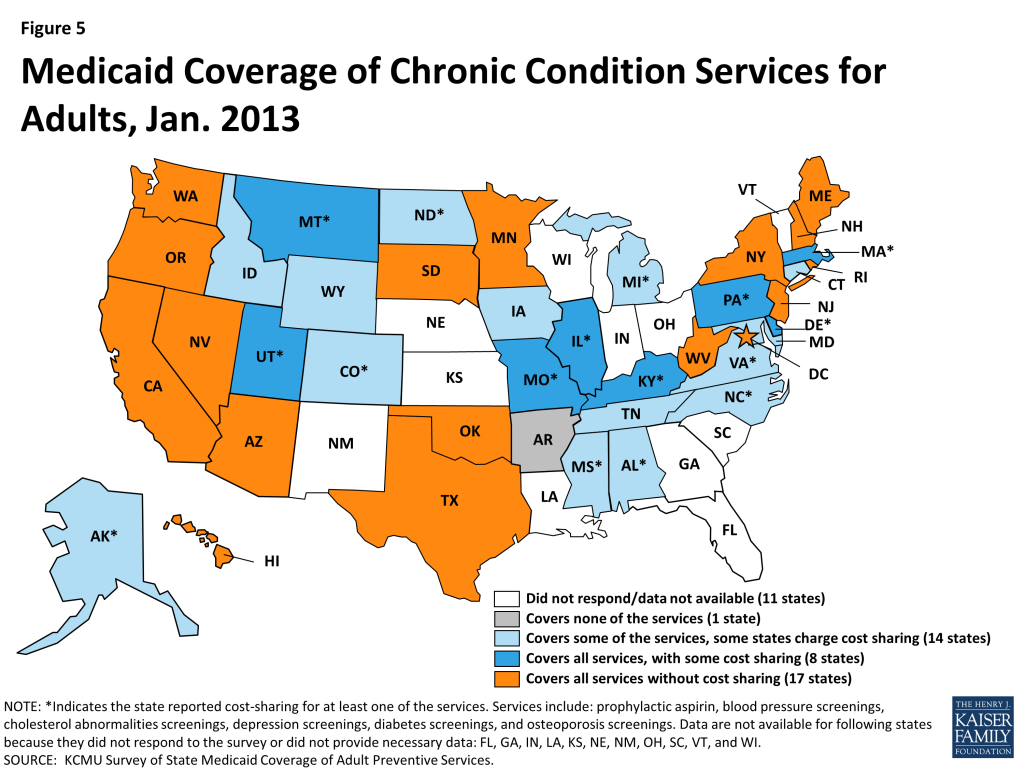
Overall, 25 states reported covering all of the services in this category; 17 without cost-sharing (Figure 5). Nearly all states reported covering blood pressure screenings and screenings for cholesterol abnormalities (38 states each). Fewer states reported covering prophylactic aspirin (31 states) despite research highlighting in particular its effectiveness in reducing the number of deaths from cardiovascular disease and its potential to yield significant medical savings.15  Copays were also most prevalent for this service compared to others in this category. Additionally, most states reported coverage of diabetes screenings (37 states) and osteoporosis screenings (35 states).

Figure 5: Medicaid Coverage of Chronic Condition Services for Adults, Jan. 2013

There is a high prevalence of diagnosed mental health conditions among Medicaid beneficiaries. The only preventive service specific to mental health in this survey was depression screening, which is covered by most states; 26 of the 34 states that cover this service do not charge cost-sharing.

Health Promotion (Table 4)

TABLE 4: HEALTH PROMOTION SERVICES (as of January 2013)

The category of health promotion includes a number of services aimed at promoting healthy behaviors that help prevent chronic illnesses. This includes screening for obesity and counseling on a number of behavioral issues such as diet and nutrition, tobacco use, and alcohol use.

Alcohol Misuse, Healthy Diet, Obesity Screening and Counseling, Tobacco Use Counseling, Folic Acid Supplementation

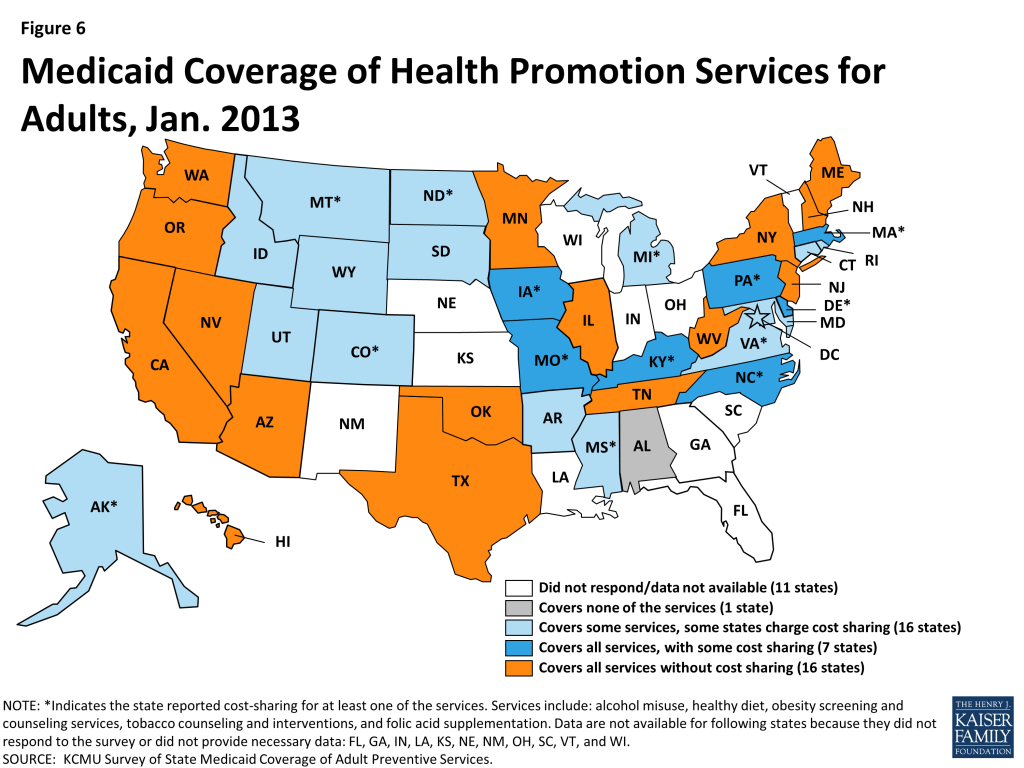
Twenty-three states covered all of the recommended preventive services that fall under this category; 16 states did so without cost-sharing (Figure 6). One state reported they do not cover any of these preventive services for adults (Alabama).

Figure 6: Medicaid Coverage of Health Promotion Services for Adults, Jan. 2013

Nearly every state that covered healthy diet counseling services also covered obesity screening and counseling; the same 7 states also reported cost-sharing for both of these services.16  The obesity-related services are particularly important given the alarming high obesity rates in the United States and obesity’s link to many chronic conditions such as coronary heart disease, stroke, diabetes, and cancer.17 

The most commonly covered service was tobacco use counseling and interventions (34 states) with 28 of these states doing so without cost-sharing. Research has highlighted the potential of tobacco use counseling and interventions to yield cost-savings and have large health impacts.18  Most of the surveyed states also cover counseling on alcohol misuse. Thirty-three states reported covering this service and 25 of them do not charge cost-sharing.

The USPSTF also recommends that women of childbearing capability take a daily supplement of folic acid to prevent certain birth defects. Thirty-one states reported covering this service and 21 of them do so without cost-sharing.

Immunizations (Tables 5A and 5B)

There are ten immunizations recommended for adults by the Advisory Committee on Immunization Practices (ACIP). Six of the immunizations (Td booster/Tdap, MMR, Influenza, Varicella, Zoster and HPV) are recommended for all individuals who meet select age and gender criteria and who show no sign of immunity.   Four (Hepatitis A, Hepatitis B, Meningococcal, and Pneumococcal) are recommended for those when additional risk factors are present.

Td booster/Tdap, MMR, Influenza, Varicella, Zoster, HPV, Hepatitis A and B, Meningococcal, and Pneumococcal

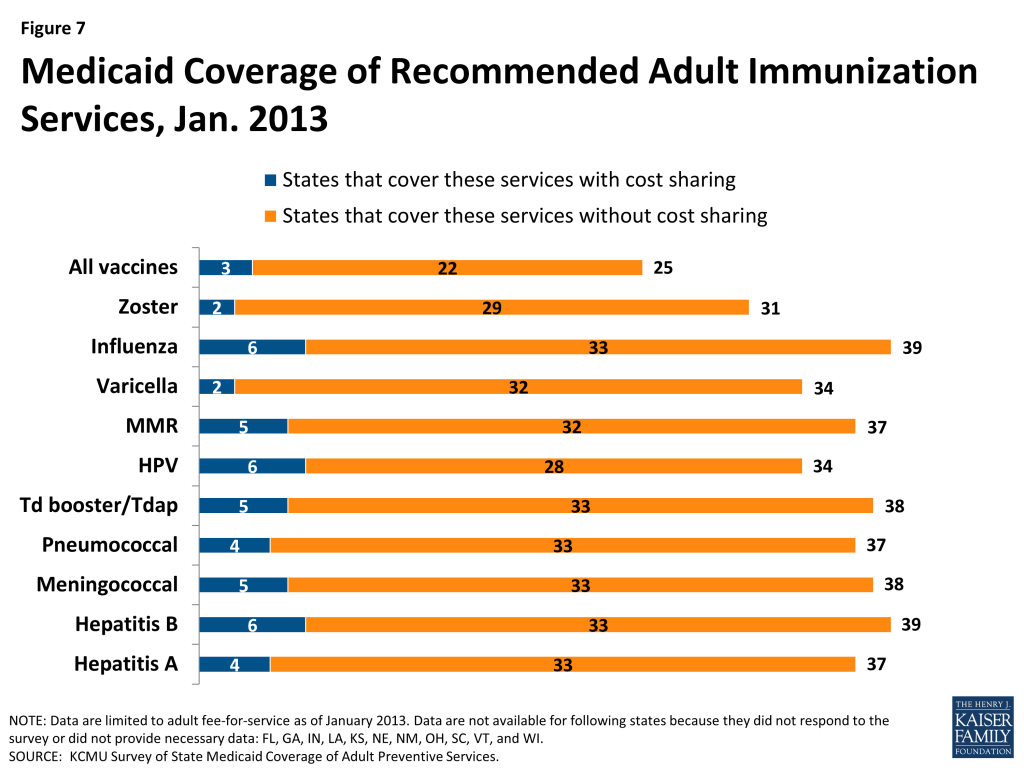
In total, 22 states reported covering all the recommended immunizations without cost-sharing (Figure 7). While 25 states indicated that they covered all of the recommended immunizations for non-elderly adults, some charged cost sharing. A number of other states reported coverage of the immunizations, but for a narrower age range than is recommended (i.e. for those 18 years and younger).

Figure 7: Medicaid Coverage of Recommended Adult Immunization Services, Jan. 2013

The most commonly covered immunizations were for Influenza and Hepatitis B (39 states). Both immunizations for MMR and Td booster/Tdap were covered for non-elderly adults by most states (37 and 38 states, respectively). However, fewer states cover Varicella (34 states) and Zoster (31 states). Another less commonly covered immunization was HPV; 34 states covered this immunization for women age 26 and under, and some of these 34 states reported covering the immunization for males as well.

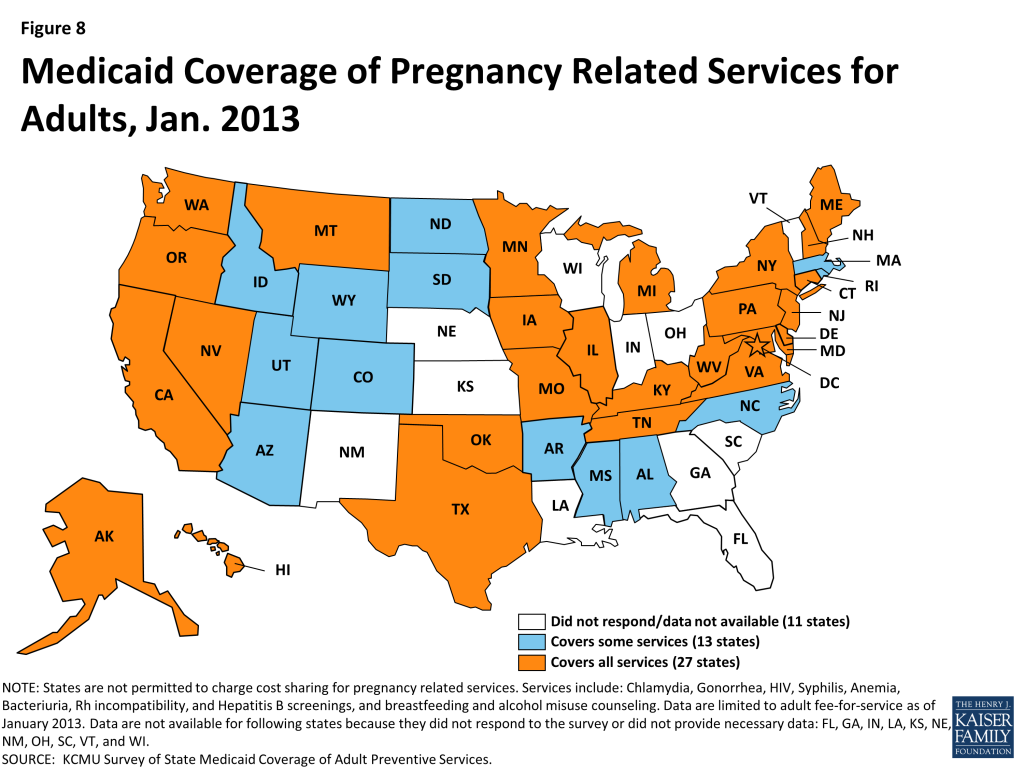
Approximately half of all births in the U.S. are paid for by Medicaid, making it the single largest payor for maternity care.19  Responses to the survey showed that preventive services recommended by the USPSTF for pregnant women were well-covered under state Medicaid programs in January 2013. Because pregnancy-related services are exempted from cost-sharing, states were not asked about cost-sharing for these services. (Figure 8).

Figure 8: Medicaid Coverage of Pregnancy Related Services for Adults, Jan. 2013

STI and HIV Screenings (Table 6A)

TABLE 6A: SEXUALLY-TRANSMITTED INFECTION (STI) SCREENINGS FOR PREGNANT WOMEN (January 2013)

All states responding to the survey reported covering STI screenings for Chlamydia, Gonorrhea and Syphilis, which matches data reported on STI screenings covered for non-elderly adults in an earlier section. All states reported covering HIV screening for pregnant women as well.

Hepatitis B, Anemia, Bacteriuria, Rh Incompatibility Screenings, Breast Feeding Counseling, and Alcohol Misuse Counseling (Table 6B)

All states responding to the survey reported covering screenings for Hepatitis B, as well as Rh incompatibility at both the first prenatal visit and again at 24-28 gestational weeks. All but two states also covered bacteriuria and anemia screenings. While not as common, the majority of states also cover breastfeeding counseling (29 states) and alcohol misuse counseling (36 states).

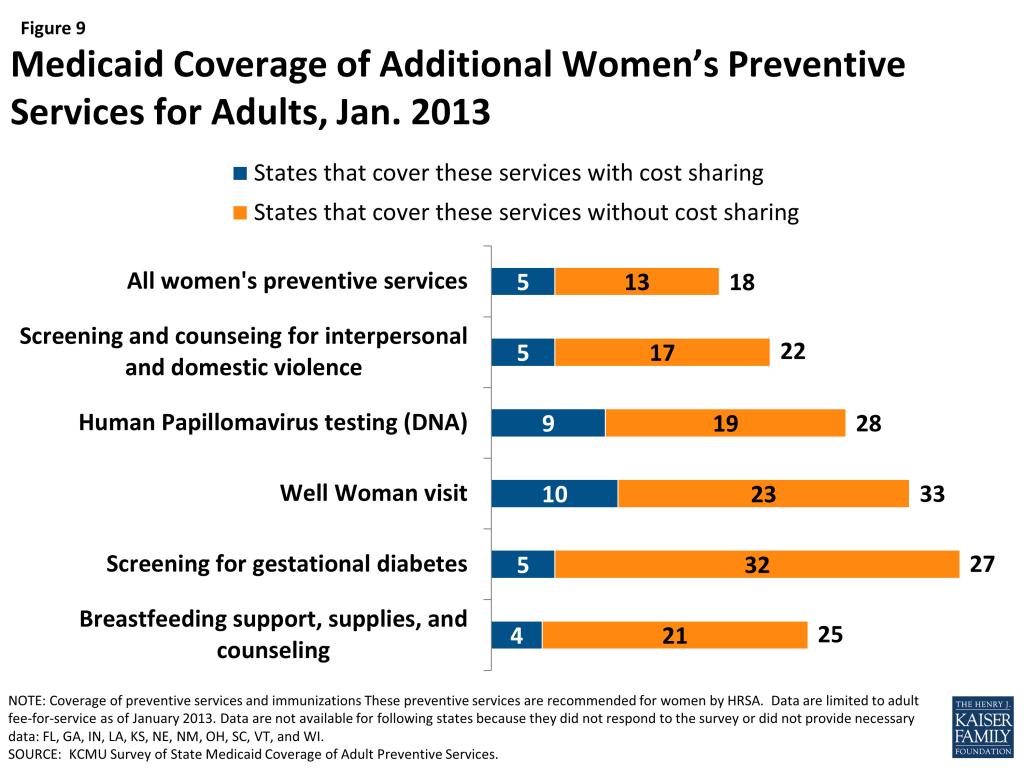
In addition to the preventive services recommended by the USPSTF and ACIP, Section 2713 of the ACA called for the formation of a committee to study and recommend whether any additional preventive services for women should be covered by private insurance plans. A committee of the IOM recommended eight additional preventive services for women20  and these recommendations were subsequently adopted by HRSA.21  As a result, all new private plans must cover these services without cost sharing. However, the additional women’s preventive services are not included as part of the Medicaid enhanced match for preventive services. Nonetheless, we surveyed states about Medicaid coverage of these services and found that all states covered most or some of the additional services. Of the 39 states and DC that responded, 18 covered all of these services and 13 of these states do not charge cost sharing for any of the services (Figure 9).

Figure 9: Medicaid Coverage of Additional Women’s Preventive Services for Adults, Jan. 2013

Screening for Gestational Diabetes and Breastfeeding Support, Supplies, and Counseling (Table 7A)22 

TABLE 7A: ADDITIONAL WOMEN’S SERVICES

Most states (32) cover screening for gestational diabetes in pregnant women without cost sharing. Coverage for breastfeeding supports is not as common, with only 21 states reporting they cover these supports without cost sharing. While the USPSTF has recommended breastfeeding counseling prior to the passage of the ACA, the recommendation from HRSA is more expansive as it recommends coverage of counseling as well as supplies, in particular breast pumps.

Well Woman Visit, Human Papillomavirus DNA Testing, and Screening and Counseling for Interpersonal and Domestic Violence (Table 7B)

TABLE 7B: WOMEN’S PREVENTIVE SERVICES

HRSA also recommends coverage for at least one annual well woman visit, DNA testing for HPV, and screening and counseling for interpersonal and domestic violence.   More than half of states cover well woman visits (33 states) and HPV testing (28 states), but that is not the case for interpersonal and domestic violence screening (22 states). However, many states charge cost sharing for these services and overall, of the 20 states that report covering all three of these services, 15 states cover them without cost-sharing.

Summary

The ACA provides a number of opportunities to improve access to and quality of care for many adults currently in Medicaid programs and those that are newly eligible since January 1, 2014. Medicaid coverage of preventive services for adults has historically been considered optional, meaning states can elect whether to cover preventive services in their Medicaid programs for adults. Furthermore, states are permitted to charge cost sharing for some beneficiaries, in the low-income population that Medicaid serves, where even nominal charges can pose a barrier to obtaining services.23 

To date, at least eight states have taken up the ACA incentive for an enhanced match for preventive services. While all of the individual preventive services were covered by most state Medicaid programs in 2013, many states charged cost sharing for at least some of the services. Overall, 12 states reported covering all of the services included in the survey; eight of them did so without cost-sharing. Another 16 states reported covering at least 40 of the recommended services. In general, there was more variation in cost-sharing policies; 10 states reported cost-sharing for at least ten of the services.

While the ACA requires states to cover preventive services without cost sharing for newly eligible Medicaid populations in the Alternative Benefit Plans (ABPs), coverage of preventive services is provided at state option for those eligible for Medicaid prior to the ACA’s coverage expansion. As these plans are developed, additional states could align the benefits in their traditional Medicaid programs with the ABPs, and thus expand coverage of preventive services without cost sharing to previously eligible populations as well through amendments to their state Medicaid plans. This would reduce differences in benefits between different groups of Medicaid beneficiaries and would also extend coverage for preventive services to a broader group of individuals on the program.

Methodology

The data in this report reflect results from a survey fielded April through June 2013 that asked states about coverage and related cost-sharing for those preventive services recommended for non-elderly adults by the USPSTF (services that received a grade “A” or “B”,) some services under review by USPSTF at the time of the survey, some services recommended by HRSA and immunizations recommended by the ACIP; 47 services in total were included in the survey, which are detailed in Appendix A. These data do not reflect coverage for children or those over the age of 65 in Medicaid programs. Data are reported for 39 states and the District of Columbia that responded to the survey; data are not reported for the 11 states that did not respond or did not provide complete data: Florida, Georgia, Indiana, Kansas, Louisiana, Nebraska, New Mexico, Ohio, South Carolina, Vermont, and Wisconsin.

The survey instrument (a copy of which is provided in Appendix B) asked states if they had submitted or planned to submit a state plan amendment to receive the enhanced match for covering all the recommended services without cost sharing; if a state responded that they in fact did, they were assumed to have covered all preventive services with no cost-sharing asked about in the survey. All of the states that reported that they either submitted or planned to submit a SPA at the time of the survey have been approved (CA, NH, NJ, and NY) except for LA. While LA reported plans to submit a SPA, to date, there is no SPA submission posted for this state and documentation from the state’s website indicates that they do not cover at least some of the preventive services asked about in this survey. Therefore, data are not reported for LA. Some states did not respond to all questions; these cases are noted as “NR” in the appendix tables.

Coverage

The survey asked if the state Medicaid program covered any of the recommended preventive services. Many states responded with service-specific caveats, most notably that service was covered only if medically necessary or that the service was covered but only as part of an office visit and not as a distinct service. For purposes of this report, states reporting such caveats were counted as covering these services.

Cost-sharing

This survey asked states to report if they charged cost-sharing for the recommended preventive services. States were asked to include cost-sharing that applied to 1) the service when billed separately from the related office or clinic visit and 2) the visit if the preventive services was the primary purpose of the visit and the services and visit are not billed separately.


Appendices

Appendix A: ACA Section 4106 increase in FMAP for Coverage of Preventive Services in Medicaid

In order to incentivize states to cover preventive services without cost sharing in traditional Medicaid, Section 4106 of the ACA added an enhanced matching rate of one percentage point to the state’s Federal Medical Assistance Percentage (FMAP) for preventive services if the state covers without cost sharing all of the preventive services recommended by USPSTF and ACIP (Table A1).

To receive the enhanced match, states must cover all of these services without charging cost-sharing for any and file a State Plan Amendment (SPA) to their Medicaid plan. As of July 2014, eight (8) states had submitted preventive services SPAs: Four states had filed for SPAs at the time the survey was conducted in Spring 2013: California, New Hampshire, New Jersey, New York. Since the survey was fielded, an additional four states have obtained SPAs: Hawaii, Kentucky, Nevada, Ohio.

The incentive became effective January 1, 2013, and there is no time limit for states to submit a SPA for preventive services coverage. This option is available to all states, regardless of whether they implemented the Medicaid coverage expansion or not. On February 1, 2013, CMS issued a letter to State Medicaid Directors (SMD# 13-002) which provided details to states on the criteria for submitting a preventive services SPA.24  Specific requirements of the policy outlined in the letter include:

  • States must cover all the recommended preventive services and their administration without cost sharing
  • The FMAP increase applies only to the preventive services
  • States must ensure they have correct codes and modifiers for providers to be able to match services rendered to the USPSTF and ACIP recommendations
  • States should have financial monitoring procedures to ensure accuracy in claiming enhanced rate
  • If preventive service overlaps with other enhanced reimbursement rates (e.g. temporary increase for primary care services), the 1% FMAP enhancement for preventive services is available for base payment rate from July 1, 2009
  • Coverage without cost sharing must be applied to those in fee-for-service and managed care
  • To claim the enhanced rate in managed care, states make estimates prospectively based on historical data from managed care plans to the extent possible
  • States should have capacity to add/amend services as USPSTF and ACIP add new recommendations or change existing ones
  • For 2013, the incentive only applies to services provided by physicians but as of January 1, 2014, will apply to services provide by other licensed practitioners
Table A1: PREVENTIVE SERVICES DEFINITIONS
Cancer-Related Services (Table 1)
Breast cancer preventive medication counselingClinicians discuss chemoprevention with women at high risk for breast cancer and low risk for adverse effects of chemoprevention.
Breast cancer mammography*Screening mammography for women, with or without clinical breast examination, every 1-2 years for women aged 40 and older.
BRCA screening and counselingGenetic counseling and evaluation for BRCA testing for women whose family history is associated with an increased risk for deleterious mutations in BRCA1 or BRCA2 genes.
Cervical cancer screeningFor women who have been sexually active and have a cervix.
Colorectal cancer screeningUsing fecal occult blood testing, sigmoidoscopy, or colonoscopy starting at age 50 through 75.
STI screenings (Table 2)
Chlamydial infection screeningFor sexually active women age 24 and younger and older women who are at increased risk.
Gonorrhea screeningFor all sexually active women, if they are at increased risk.
HIV screeningFor all adolescents and adults at increased risk for HIV infection.
Syphilis screeningFor those at increased risk.
STI counselingHigh-intensity behavioral counseling to prevent STIs for sexually-active adolescents and adults at risk.
Chronic Condition-Related Services (Table 3)
Prophylactic aspirinFor men age 45-79 years and women age 55-79 years, if potential benefit outweighs potential harm.
Blood pressure screeningFor adults aged 18 and older.
Cholesterol abnormalities screeningMen aged 35+ and women aged 45+, and those younger at increased risk of coronary heart disease.
Depression screeningStaff-assisted supports to assure accurate diagnosis, effective treatment and follow-up.
Diabetes screeningType 2 diabetes in asymptomatic adults with sustained blood pressure above 135/80 mm Hg.
Osteoporosis screeningRoutine screening for women aged 65+, age 60 for women at increased risk of such fractures.
Health Promotion (Table 4)
Healthy diet counselingIntensive behavioral dietary counseling, delivered by primary care clinicians or specialists, for those with hyperlipidemia and other risk factors for cardiovascular and diet-related chronic disease.
Obesity screening and counselingScreen all adults for obesity, offer intensive counseling and behavioral interventions to promote sustained weight loss for obese adults.
Tobacco use counseling and interventionsAsk all adults about tobacco use and provide tobacco cessation interventions.
Alcohol Misuse CounselingScreening and behavioral counseling interventions in primary care settings.
Folic acid supplementationA daily supplement of 0.4 to 0.8 mg of folic acid for women planning or capable of pregnancy.
Immunizations (Tables 5A and 5B)
Tetanus-Diphtheria (Td)booster and Tetanus-Diphtheria-Pertussis (T-dap)1 Td Booster every 10 years and a one-time dose of Tdap for those under age 64.
Human Papilloma Virus3 doses for females age 26 and under.
Measles, Mumps, and Rubella1 or 2 doses for those 19-49; 1 dose for those 50 and older if other risk factors are present.
Varicella2 doses for those 19-49; 2 doses for those 50 and older if other risk factors are present.
Influenza1 annual dose for those 19-49 if other risk factors are present; 1 annual dose for those 50+.
Pneumococcal1 or 2 doses for those 19-64 if other risk factors are present; 1 dose for those 65 and older.
Hepatitis A2 doses if other risk factors are present.
Hepatitis B3 doses if other risk factors are present.
Meningococcal1 or more doses if other risk factors are present.
ZosterFor those 60 and older.
Pregnancy-Related Services (Tables 6A and 6B)
Chlamydial infection screeningFor all pregnant women age 24 and under and for older pregnant women at increased risk.
Gonorrhea screeningFor all sexually active women if they are at increased risk.
Hepatitis B screeningFor pregnant women at their first prenatal visit.
Syphilis screeningFor all pregnant women.
Alcohol misuse counselingScreening and behavioral counseling interventions to reduce misuse in primary care settings.
Anemia screeningFor iron deficiency anemia in asymptomatic pregnant women.
Bacteriuria screeningFor asymptomatic bacteriuria with urine culture at 12 to 16 weeks gestation.
Breastfeeding counselingInterventions during pregnancy and after birth to promote and support breastfeeding.
Rh incompatibility screening at first visitRh (D) blood typing and antibody testing for all pregnant women during first pregnancy-related visit; repeat for all unsensitized Rh(D) negative women at 24-48 wks unless biological father is Rh(D) negative.
NOTES: *HHS uses the 2002 recommendation on breast cancer screening. Survey is based on recommendations from the USPSTF related the ACA provision – http://www.uspreventiveservicestaskforce.org/uspstf/uspsabrecs.htm and the Advisory Committee on Immunization Practices recommendations for adults in 2013 –http://www.cdc.gov/mmwr/preview/mmwrhtml/mm5901a5.htm.
SOURCE: KCMU Survey of State Medicaid Coverage of Adult Preventive Services, 2013.

In addition to the services recommended by USPSTF and ACIP, Section 2713 of the ACA authorized the development of an additional set of preventive services for women, to be covered by private insurance plans. A committee of the Institute of Medicine (IOM) developed a set of recommendations for 8 preventive services for women, and these recommendations were subsequently adopted by the federal Health Resources and Services Administration (HRSA), which means that these services must be covered without cost sharing by all new private plans. These services (Table A2) are not included as part of the requirements for the Medicaid enhanced match for preventive services, but they overlap with many of Medicaid’s benefits categories and thus were included in this state-level survey.

Table A2: PREVENTIVE SERVICES DEFINITIONS
Additional Preventive Services (Tables 7A and 7B)
Routine HIV Screening for AdultsHIV screening for adolescents and adults ages 15-65. Younger adolescents and older adults at increased risk should also be screened.
HIV Screening for Pregnant WomenScreening for all pregnant women, including those who present in labor whose HIV status is unknown.
Gestational DiabetesIn pregnant women between 24 and 28 weeks of gestation and at the first prenatal visit for pregnant women identified to be at high risk for diabetes.
Well Woman VisitWell-women preventive care visit annually for adult women to obtain the recommended preventive services that are age and developmentally appropriate, including preconception and prenatal care.
Breastfeeding support, supplies, and counselingComprehensive lactation support and counseling, by a trained provider during pregnancy and/or in the postpartum period, and costs for renting breastfeeding equipment.
Human papillomavirus testing (DNA)High-risk human papillomavirus DNA testing in women with normal cytology results. Screening should begin at 30 years of age and should occur nomore frequently than every 3 years.
Screening and counseling for interpersonal and domestic violenceAnnual screening and counseling for interpersonal and domestic violence for all women.
NOTES: HIV screening services were included in the survey and are discussed in a separate report:  https://www.kff.org/hivaids/fact-sheet/state-medicaid-coverage-of-routine-hiv-screening/.  Recommendations for all other services in this table are from HRSA Women’s Preventive Services.
SOURCE: KCMU Survey of State Medicaid Coverage of Adult Preventive Services, 2013.

Appendix B: Survey Instrument

Kaiser Commission on Medicaid and the Uninsured: Preventive Services Survey

This survey is intended to provide information that is helpful to Medicaid programs as well as the broader policy community about the role Medicaid in the provision of preventive services. Given that preventive services for children are covered under the Early Periodic Screening, Diagnosis, and Treatment (EPSDT) benefit for children, this survey is designed to gather information on preventive services coverage in Medicaid programs for nonelderly adults. This survey was first conducted two years ago by Health Management Associates as part of the biannual update of the Kaiser Commission on Medicaid and the Uninsured Medicaid Benefits Database. The survey report is on the Kaiser Family Foundation web site at: http://www.kff.org/medicaid/8359.cfm.

The revised instrument takes into account the guidance released in the February 1, 2013 State Medicaid Director letter on the option newly available to states under the ACA (Section 4106), effective January 1, 2013, to receive an enhanced federal matching rate for clinical preventive services and immunizations for nonelderly adults if they provide all of these services without cost-sharing. Specifically, states that cover all preventive services rated Grade A or B by the United States Preventive Services Task Force (USPSTF) and immunizations recommended by the Advisory Committee on Immunization Practices (ACIP) without cost-sharing will receive a one percentage point increase in the federal matching rate for those services.

The CMS guidance cited above specifies that the one percentage point increase applies to preventive services and immunizations currently matched at:[endnote 134440-2]

  1. the regular matching rate for states and the District of Columbia (without regard to the temporary enhanced match for specified primary care codes under ACA section 1202); or
  2. the enhanced matching rate under the Breast and Cervical Cancer Treatment Program.

The one percentage point increase does not apply to preventive services currently matched at other enhanced matching rates, most notably family planning services. In order for states to collect this one percentage point increase in the federal matching rate, states must submit a state plan amendment (SPA) to CMS and report such expenditures on a separate line of their CMS-64 forms.

The following suggestions may be helpful as you and your staff complete this survey:

  1. If your state has already submitted or is about to submit a SPA under this provision, please check “Yes” on the first question (provide an effective date if possible) and skip to Section III.
  2. Responses can be entered in any shaded area.
  3. To move around the form, you can use the tab key to move forward, shift-tab to move backward, or click any shaded area.
  4. To make an X in a check box, tab to the box and left-click on the mouse, or hit the space bar. Clicking the mouse or hitting the space bar a second time will remove a check. You can tab past the box if a check is not required.
  5. Text of any length can be entered in a text box. To start a new line within a text box, hold down the shift key and press return.

Appendix B: Survey Instrument

Endnotes

  1. The survey instrument was developed based on recommendations from the USPSTF related the ACA provision – http://www.uspreventiveservicestaskforce.org/uspstf/uspsabrecs.htm and the Advisory Committee on Immunization Practices recommendations for adults in 2010 –http://www.cdc.gov/mmwr/preview/mmwrhtml/mm5901a5.htm. ↩︎
  2. Eight of these services (see Appendices 8A and 8B) were either recommended by HRSA or under review by USPSTF at the time of the survey following the Institute of Medicine’s (IOM) release of a report commissioned by the US Department of Health and Human Services (HHS) stating that there is a gap in preventive services covered by insurance companies for women. For more information please see Women’s Preventive Services Guidelines and Clinical Preventive Services for Women: Closing the Gaps. ↩︎
  3. The HRSA women’s preventive services are not required for states to receive the enhanced match, but were included in the survey because they have been recommended as important to fill in gaps in preventive care for women and overlap with many of Medicaid’s benefits categories. ↩︎
  4. KCMU/Urban Institute estimates based on data from FY 2010 MSIS and CMS-64. MSIS FY 2009 data were used for CO, MO, NC, and WV, but adjusted to 2009 CMS-64. ↩︎
  5. KCMU (2013). What Difference Does Medicaid Make? https://modern.kff.org/wp-content/uploads/2013/05/8440-what-difference-does-medicaid-make2.pdf ↩︎
  6. Preventive Services Covered by Private Health Plans under the Affordable Care Act. Kaiser Family Foundation. https://modern.kff.org/health-reform/fact-sheet/preventive-services-covered-by-private-health-plans/ ↩︎
  7. CMS. (2013). http://www.cms.gov/Newsroom/MediaReleaseDatabase/Press-Releases/2013-Press-Releases-Items/2013-12-17.html ↩︎
  8. The survey instrument was developed based on recommendations from the USPSTF related the ACA provision – http://www.uspreventiveservicestaskforce.org/uspstf/uspsabrecs.htm and the Advisory Committee on Immunization Practices recommendations for adults in 2010 –http://www.cdc.gov/mmwr/preview/mmwrhtml/mm5901a5.htm. ↩︎
  9. Eight of these services (see Appendices 8A and 8B) were either recommended by HRSA or under review by USPSTF at the time of the survey following the Institute of Medicine’s (IOM) release of a report commissioned by the US Department of Health and Human Services (HHS) stating that there is a gap in preventive services covered by insurance companies for women. For more information please see Women’s Preventive Services Guidelines and Clinical Preventive Services for Women: Closing the Gaps. ↩︎
  10. Timothy Westmoreland, Director, Centers for Medicare and Medicaid Services, State Health Official Letter, January 4, 2001, http://downloads.cms.gov/cmsgov/archived-downloads/SMDL/downloads/sho010401.pdf ↩︎
  11. CDC. (2013). Incidence, Prevalence, and Cost of Sexually Transmitted Infections in the United States. ↩︎
  12. The survey findings reported here reflect whether a state covers HIV screenings for adults at increased risk for HIV infection and routine HIV screening for adults. For more information HIV screenings – see the following brief: State Medicaid Coverage of Routine HIV Screening. Kaiser Family Foundation, February 2014. https://modern.kff.org/hivaids/fact-sheet/state-medicaid-coverage-of-routine-hiv-screening/ ↩︎
  13. The Role of Medicaid for Adults with Chronic Illnesses. Kaiser Commission on Medicaid and the Uninsured. https://modern.kff.org/wp-content/uploads/2013/01/8383.pdf ↩︎
  14. Farley, Thomas A. et al. “Deaths Preventable in the U.S. by Improvements in the Use of Clinic Preventive Services.” American Journal of Preventive Medicine, Vol. 38 no. 6, 2010. http://download.journals.elsevierhealth.com/pdfs/journals/0749-3797/PIIS0749379710002072.pdf. ↩︎
  15. Maciosek, Michael V. et al. “Greater Use of Preventive Services in U.S. Health Care Could Save Lives at Little or No Cost,” Health Affairs, Vol. 29 no. 9, September 2010. http://content.healthaffairs.org/content/29/9/1656.full.pdf. ↩︎
  16. Twenty-eight states covered both healthy diet counseling and obesity screening and counseling services; Alaska reported coverage for obesity screening and counseling but not healthy diet counseling. The 7 states that charged cost-sharing for these services were IA, KY, MO, MT, ND, PA, and VA. Additionally, AK reported charging cost-sharing for obesity screening and counseling. ↩︎
  17. Cynthia L. Ogden, Margaret D. Caroll, et al. Prevalence of Childhood and Adult Obesity in the United States, 2011-2012. Journal of the American Medical Association (February 26, 2014,) http://jama.jamanetwork.com/article.aspx?articleid=1832542. ↩︎
  18. CDC. 2000. http://www.cdc.gov/mmwr/preview/mmwrhtml/rr4916a1.htm ↩︎
  19. Guttmacher Institute. (2013). Public Costs from Unintended Pregnancies and the Role of Public Insurance Programs in Paying for Pregnancy and Infant Care. ↩︎
  20. IOM. (2011). Clinical Preventive Services for Women: Closing the Gaps. ↩︎
  21. HRSA. (2014). Women’s Preventive Services Guidelines. ↩︎
  22. Hawaii did not provide a response for screening for gestational diabetes, contraceptive methods and counseling, and well woman visit. ↩︎
  23. KCMU, Premiums and Cost-Sharing in Medicaid: A Review of Research Findings, February 2013. ↩︎
  24. CMS. (2013). http://www.medicaid.gov/Federal-Policy-Guidance/downloads/SMD-13-002.pdf ↩︎
News Release

Kaiser Calculator Now Gives Consumers 2015 Zip Code-Specific Premium and Tax Credit Estimates for Marketplace Coverage

Published: Nov 13, 2014

The Kaiser Family Foundation’s Health Insurance Marketplace Calculator now includes zip code-specific data on 2015 health plans that are being sold through the Affordable Care Act’s insurance marketplaces during the open enrollment period beginning Saturday, Nov. 15.

With the new tool, consumers around the nation can generate estimates of their health insurance premiums and government subsidies for 2015 plans that they purchase on their own through an ACA marketplace. The estimates are based on zip code, household income, family size and ages of family members. The calculator also helps consumers determine whether they could be eligible for Medicaid.

The Foundation encourages organizations to feature the updated calculator on their web sites. For detailed instructions, please click here.

The Health Insurance Marketplace Calculator is part of a series of new and updated Foundation resources to help consumers understand health insurance and navigate open enrollment. Among other tools, Understanding Health Insurance includes an updated collection of nearly 300 Frequently Asked Questions about the Affordable Care Act and a new animated video, Health Insurance Explained – The YouToons Have It Covered.

Filling the need for trusted information on national health issues, the Kaiser Family Foundation is a nonprofit organization based in Menlo Park, California.

News Release

More Than Four in Ten Uninsured Don’t Know Basic Health Insurance Terms, Fewer Understand Complex Coverage Concepts

Published: Nov 12, 2014

Kaiser Family Foundation Provides Consumer Resources to Fill Knowledge Gaps as the Second Open Enrollment Period Nears for the Affordable Care Act’s Marketplaces

With open enrollment for the Affordable Care Act’s health insurance marketplaces days away, findings from a new Kaiser Family Foundation survey suggest that some people who stand to benefit from the law struggle to understand how coverage works.

The survey finds more than four in 10 uninsured people could not correctly identify the definitions of essential health insurance terms, such as “premium,” “deductible” and “provider network.” Even more of the uninsured could not correctly answer questions that required calculating the amount an insured person would have to pay for a hospital stay (61 percent) or an out-of-network lab test (91 percent) based on the plan’s cost-sharing requirements.

To inform and educate both uninsured and insured consumers, the Foundation today released a new five-minute cartoon video that explains insurance using fun, easy-to-understand scenarios. Health Insurance Explained – The YouToons Have It Covered is a light-hearted treatment of a difficult and important topic, breaking down important insurance concepts, such as premiums, deductibles and provider networks. It explains how individuals pay for coverage and obtain medical care and prescription drugs when enrolled in various types of health insurance, including HMOs and PPOs. Former U.S. Senate Majority Leader Bill Frist, a nationally-recognized surgeon and Foundation trustee, narrates the video, which is the third written and produced by the Foundation featuring the YouToons.

The Foundation developed the video and other tools to aid consumers as they make decisions about coverage for 2015, whether through the ACA marketplaces, job-based coverage, Medicare or Medicaid. The new video can be linked to numerous social media networks and can be featured on other web sites using YouTube’s share button. The previous two videos, Health Reform Hits Main Street and The YouToons Get Ready for Obamacare, also continue to be available. Additionally, consumers may test their own health insurance literacy by taking a quiz online and challenging others to do the same. Scores can be shared via Twitter and Facebook.

These resources, along with a compilation of nearly 300 frequently asked questions, can be found on kff.org’s Understanding Health Insurance web page. For more updates, keep up with the Foundation on Twitter @KaiserFamFound  and on Facebook.


Methodology

The survey was designed and analyzed by researchers at the Kaiser Family Foundation and was conducted October 17-27 among a nationally representative sample of 1,292 adults, including 194 uninsured adults ages 18-64. Interviews were conducted in English and Spanish using GfK’s KnowledgePanel, a probability-based online research panel. The margin of sampling error is plus or minus 3 percentage points for the full sample and plus or minus 8 percentage points for the uninsured.

Health Insurance Quiz

What is a health insurance premium? Can you describe what an annual health insurance deductible is? If you answered, “no,” you’re not alone. The language of health insurance can be complex and confusing, particularly for many long-time uninsured people enrolling in the new insurance marketplaces set up under the Affordable Care Act.

Take this 10-question quiz and learn how health insurance literate you are compared to a nationally representative survey of U.S. adults who were asked the same questions.

Question 1 of 10(Required)
Which of the following is the best definition of the term “health insurance premium?”
Question 2 of 10(Required)
Is a health insurance premium something you must pay every month, regardless of whether you use health care services, or do you only have to pay your health insurance premium during months when you use health care services?
Question 3 of 10(Required)
Which of the following is the best definition of the term “annual health insurance deductible?”
Question 4 of 10(Required)
Suppose that under your health insurance policy, hospital expenses are subject to a $1,000 deductible and $250 per day copay. You get sick and are hospitalized for 4 days, and the bill (after insurance discounts are applied) comes to $6,000. How much of that hospital bill will you have to pay yourself?
Question 4 of 10(Required)
Which of the following best describes the “annual out-of-pocket limit” under a health insurance policy?
Question 5 of 10(Required)
Which of the following best describes a “health insurance formulary?”
Question 6 of 10(Required)
Which of the following best describes a health plan “provider network?”
True or false: If you receive inpatient care at a hospital that participates in your health plan’s provider network, all the doctors who care for you while you’re in the hospital will also be in network.(Required)
Suppose your health plan covers lab tests in full if you go to an in-network lab, but only pays 60% of allowed charges if you go out of network. You forget to check and go get your blood test at a lab that turns out to be out of network. The lab bills you $100 for the blood test. Your health insurance allows only a $20 charge for that test. How much would you have to pay out of pocket for that lab test?(Required)
True or false? If your health insurance or health plan refuses to pay for a service that you think is covered and your doctor says you need, you can appeal the denial and possibly get the insurance company to pay the claim.(Required)

Poll Finding

Assessing Americans’ Familiarity With Health Insurance Terms and Concepts

Authors: Mira Norton, Liz Hamel, and Mollyann Brodie
Published: Nov 11, 2014

Findings

With the approaching launch of the second open enrollment period for the Affordable Care Act’s (ACA) health insurance exchanges and at a time when open enrollment is also happening for many job-based plans, the Kaiser Family Foundation conducted a nationally representative survey of 1,292 U.S. adults to shed light on Americans’ understanding of basic health insurance terms and concepts, and to identify gaps in awareness that could lead to difficulties for some individuals as they choose new plans or use their health plans.  If you want to test your own knowledge of health insurance terms and concepts before reading on, you can take the 10-question quiz online.

Overall Scores

When asked a series of questions about health insurance terms and concepts, including some that require calculating out-of-pocket costs, over half of the public (52 percent) scored an impressive grade of at least 7 out of 10 right answers, but only 4 percent answered all 10 questions correctly.  On the other side of the spectrum, nearly three in ten (28 percent) gave correct answers to 4 or fewer questions, with 8 percent giving no correct answers at all.

Figure 1

Of the 10 questions asked, 6 proved relatively easy for the public to answer, with at least two-thirds answering each correctly.  About eight in ten (79 percent) responded correctly that a health insurance premium must be paid every month, as opposed to only in months when health care services are used.  Large majorities were also able to correctly identify the definitions of insurance terms like premium (76 percent), provider network (76 percent), annual deductible (72 percent), and annual out-of-pocket limit (67 percent). Over two-thirds (68 percent) also know that if a health plan refuses to pay for a medically recommended service, an insured person has the right to appeal the plan’s decision.

Figure 2

Four other questions proved more difficult for people to answer.  Two of these questions asked respondents to calculate the amount they would have to pay out of their own pocket in different care-use scenarios. Although these questions may seem to be testing math skills rather than health literacy, math skills are an important component in understanding the complicated maze of health insurance payments and billing. Just over half (51 percent) were correctly able to calculate how much they would have to pay for a 4-day hospital stay with a $1000 deductible and $250-per-day copay. Far fewer – only 16 percent – could correctly calculate how much they would have to pay for an out-of-network lab test when the insurer pays 60% of allowed charges.

Many Americans are also confused about the term “health insurance formulary,” with only a third (33 percent) identifying the correct definition (a list of prescription drugs covered by a health plan). Another 14 percent selected an incorrect definition of formulary, and over half (53 percent) said they didn’t know.

Another area where there are gaps in awareness has to do with care received from doctors during an in-network hospital stay.  About four in ten (41 percent) are aware that doctors providing care at an in-network hospital may not necessarily be in-network providers themselves, while about three in ten incorrectly believe that all care received at an in-network hospital will be from in-network doctors and another three in ten say they don’t know (29 percent each).

FIGURE 3: Awareness Among General Public Of Health Insurance Terms And Concepts
CORRECT ANSWERCORRECTINCORRECT
WrongAnswerDon’tKnow
How often you have to pay your health insurance premiumMust pay every month, regardless of whether you use services79%5%15%
Best definition of “health insurance premium”Amount health insurance companies charge each month for coverage76%8%16%
Best description of a health plan “provider network”The hospitals and doctors that contract with your health plan to provide services for an agreed-upon rate or fee schedule76%7%16%
Best definition of “annual health insurance deductible”Amount of covered health expenses you must pay yourself each year before your insurance will begin to pay72%10%17%
If your health insurance plan refuses to pay for a service that you think is covered and your doctor says you need, you can appeal the denial and possibly get the insurance company to pay the claim.True68%6%25%
Best description of the “annual out-of-pocket limit”Most you will have to pay in deductibles, copays, and coinsurance for covered care received in network for the year67%12%18%
Calculation of out-of-pocket charges for a 4-day hospital stay with a total bill of $6,000 with a $1,000 deductible and $250 per day copay$2,00051%30%18%
If you receive inpatient care at a hospital that participates in your health plan’s provider network, all the doctors who care for you while you’re in the hospital will also be in networkFalse41%29%29%
Best description of a “health insurance formulary”List of prescription drugs your health plan will cover33%14%53%
Calculation of out-of-pocket costs for an out-of-network lab test with a total bill of $100 when plan pays 60% of allowed charges and allowed charge is $20$8816%62%20%
Note: Those who did not respond (1-2% for each question) were not included in this table.  Question wording is abbreviated for some items.  See topline for full question wording.

Where Are The Biggest Gaps In Awareness?

Some groups are more likely than others to demonstrate a better understanding of health insurance terms and concepts, while certain groups may be less familiar with health insurance.  Those who scored lower on this health insurance literacy quiz include people with lower levels of education, younger Americans, and the uninsured.  There was not a significant difference between the average scores of men and women.

Figure 4:Health Insurance Awareness Scores by Gender, Age, Education, and Insurance Status
Low Scorers (0-4 Correct)Moderate Scorers (5-6 Correct)High Scorers (7-10 Correct)Mean Score
Overall28%20%52%5.8
Insurance Status
Insured (ages 18-64)2319586.2
Uninsured (age 18-64)4726274.4
Age
18-294320364.7
30-493118515.7
50-642020616.4
65+1924576.4
Gender
Male2819535.8
Female2921505.8
Education
High school or less4523324.5
Some college2419576.2
College graduate1016747.2

Differences by Education:

Education has a strong correlation with health insurance literacy, with those who never attended college significantly less likely than those with college degrees to answer health insurance questions correctly.  For instance, nearly all college graduates (93 percent) identified the correct definition of a health plan’s provider network, compared to 60 percent of those with high school education or less. Average overall scores range from 4.5 correct items for those who never attended college, to 6.1 among those with some college education, to 7.2 for college graduates.

Differences by Age:

The survey also sheds light on the information needs of younger Americans, who demonstrate a lower level of understanding of health insurance concepts than older Americans.  For example, about four in ten (39 percent) of those ages 18-29 were able to correctly calculate the out-of-pocket cost for a hospital stay with a given copay and deductible, compared with over half of adults over age 30. A similar gap exists in understanding the nature of a health insurance premium.  While 63 percent of younger adults correctly indicate that premiums must be paid every month – not only when health care services are used – this is at least 15 percentage points lower than among older age groups. On average, adults under age 30 answered 4.7 questions correctly, compared with scores of 5.7 for those ages 30-49, and 6.4 for those ages 50 and over.

Differences by Insurance Status:

Perhaps most importantly, given that open enrollment is around the corner, this survey uncovered a significant information gap among the uninsured, with substantial shares expressing a lack of familiarity with health insurance terms and concepts. Uninsured Americans under age 65 (who also tend to have fewer years of education) have lower average quiz scores than those with insurance (average 4.4 correct versus 6.2), and are more likely to answer zero questions correctly (13 percent versus 4 percent).  For example, fewer of those ages 18-64 without health insurance correctly identified the definition of a health insurance premium (57 percent) compared to those with health insurance (83 percent).  While some uninsured people provided incorrect answers, across the 10 questions asked, about a quarter or more of the uninsured selected “don’t know” rather than picking an answer.

FIGURE 5: Awareness Among Uninsured Of Health Insurance Terms And Concepts
Among those ages 18-64 who are uninsured:CORRECT ANSWERCORRECTINCORRECT
WrongAnswerDon’tKnow
How often you have to pay your health insurance premiumMust pay every month, regardless of whether you use services64%6%28%
Best definition of “health insurance premium”Amount health insurance companies charge each month for coverage57%8%35%
Best description of a health plan “provider network”The hospitals and doctors that contract with your health plan to provide services for an agreed-upon rate or fee schedule57%16%26%
Best definition of “annual health insurance deductible”Amount of covered health expenses you must pay yourself each year before your insurance will begin to pay53%20%27%
If your health insurance plan refuses to pay for a service that you think is covered and your doctor says you need, you can appeal the denial and possibly get the insurance company to pay the claim.True53%12%33%
Best description of the “annual out-of-pocket limit”Most you will have to pay in deductibles, copays, and coinsurance for covered care received in network for the year53%18%27%
Calculation of out-of-pocket charges for a 4-day hospital stay with a total bill of $6,000 with a $1,000 deductible and $250 per day copay$2,00039%34%27%
If you receive inpatient care at a hospital that participates in your health plan’s provider network, all the doctors who care for you while you’re in the hospital will also be in networkFalse29%32%37%
Best description of a “health insurance formulary”List of prescription drugs your health plan will cover21%18%58%
Calculation of out-of-pocket costs for an out-of-network lab test with a total bill of $100 when plan pays 60% of allowed charges and allowed charge is $20$889%66%24%
Note: Those who did not respond (1-2% for each question) were not included in this table.  Question wording is abbreviated for some items.  See topline for full question wording

Implications

Most U.S. adults appear to have a pretty firm grasp on basic health insurance terms and how insurance works in general.  Understanding is lower in some areas, however, including calculating out-of-pocket costs and knowing that an insured person might get care from an out-of-network doctor at an in-network hospital.

Younger adults, those who haven’t attended college and the uninsured score somewhat lower on these basic measures of health insurance literacy. As more people gain insurance under the ACA, these individuals may need extra help navigating their plans, particularly if they are becoming insured for the first time.  Levels of health insurance literacy may rise as more people have access to, learn to navigate and use health insurance.

Assessing Americans' Familiarity With Health Insurance Terms And Concepts: Methodology

This Kaiser Family Foundation Survey, Assessing Americans’ Familiarity with Health Insurance Terms and Concepts, was designed and analyzed by researchers at the Kaiser Family Foundation (KFF), and was conducted October 17-27, 2014, among a nationally representative sample of 1,292 adults ages 18 and older, including an oversample of adults age 18-64 who have no health insurance. KFF paid for all costs associated with the survey. Interviews were conducted in English and Spanish using GfK’s KnowledgePanel, an online research panel. KnowledgePanel members are recruited through probability sampling methods and include both those with internet access and those without (KnowledgePanel provides internet access for those who do not have it and, if needed, a device to access the internet when they join the panel). A combination of random digit dialing (RDD) and address-based sampling (ABS) methodologies have been used to recruit panel members (in 2009 KnowledgePanel switched its sampling methodology for recruiting panel members from RDD to ABS). The panel comprises households with landlines and cellular phones, including those with only cell phones, and those without a phone. Both the RDD and ABS samples were provided by Marketing Systems Group (MSG). KnowledgePanel continually recruits new panel members throughout the year to offset panel attrition as people leave the panel.

The survey data were weighted to be representative of adults nationwide. Weighting took place in two stages. First, all members of the panel carry a weight designed to produce a nationally representative sample of the U.S. adult population based on gender, age, race/ethnicity, education, region, household income, home ownership status, metropolitan area, and Internet access. In the second stage, design weights were adjusted to account for the oversample and adjust for any differential survey non-response. An iterative procedure was used to adjust the final sample to match benchmarks from the March 2014 Supplement to the Census Bureau’s Current Population Survey (CPS) on age, gender, race/ethnicity, region, education, metropolitan area, household income, internet access, and primary language (English Dominant, Bilingual, Spanish Dominant, Non-Hispanic).1 

Margins of sampling error and tests of statistical significance take into account the effect of weighting. The margin of sampling error including the design effect for the full sample of 1,292 adults is plus or minus 3 percentage points. Numbers of respondents and margin of sampling error for key subgroups are shown in the table below. For results based on other subgroups, the margin of sampling error may be higher. Sample sizes and margins of sampling error for other subgroups are available by request. Note that sampling error is only one of many potential sources of error in this or any other public opinion poll.

GroupN (unweighted)M.O.S.E.
Total1,292± 3 percentage points
Insurance Status
   Insured, age 18-64794± 4 percentage points
   Uninsured, age 18-64194± 8 percentage points
Age
   18-29204± 8 percentage points
   30-49413± 5 percentage points
   50-64425± 5 percentage points
   65+250± 7 percentage points
Gender
   Men650± 4 percentage points
   Women642± 4 percentage points
Education
   High school grad or less 549± 5 percentage points
   Some college 349± 5 percentage points
   College grad or more 394± 5 percentage points

Endnotes

  1. Details about KnowledgePanel sampling, recruitment, and weighting methodology, including details about how design weights are calculated, are available at http://www.knowledgenetworks.com/knpanel/docs/knowledgepanel(R)-design-summary-description.pdf ↩︎

Visualizing Health Policy: Recent Trends in Employer-Sponsored Insurance

Published: Nov 11, 2014

This Visualizing Health Policy infographic takes a look at recent trends in employer-sponsored insurance, including average premium increases for workers with family coverage, the average yearly cost of premiums for single and family coverage and how those costs have increased in the past decade, along with the prevalence of health promotion programs (such as wellness programs) offered by large firms. It also looks at differences in premium and worker contributions at firms with many lower-wage workers and firms with many higher-wage workers; the average general annual deductible for workers who face a deductible for single coverage; and the percentage of workers covered by employers’ health benefits at offering and non-offering firms, from 2000 to 2014.

jama_EHBS_335x418px (2)

Visualizing Health Policy is a monthly infographic series produced in partnership with the Journal of the American Medical Association (JAMA). The full-size infographic is freely available on JAMA’s website and is published in the print edition of the journal.

View Source Slides

News Release

Visualizing Health Policy: Recent Trends in Employer-Sponsored Insurance

Published: Nov 11, 2014

This Visualizing Health Policy takes a look at recent trends in employer-sponsored insurance, including average premium increases for workers with family coverage, the average yearly cost of premiums for single and family coverage and how those costs have increased in the past decade, along with the prevalence of health promotion programs (such as wellness programs) offered by large firms. It also looks at differences in premium and worker contributions at firms with many lower-wage workers and firms with many higher-wage workers; the average general annual deductible for workers who face a deductible for single coverage; and the percentage of workers covered by employers’ health benefits at offering and non-offering firms, from 2000 to 2014.

jama_EHBS_335x418px_(2)

Visualizing Health Policy is a monthly infographic series produced in partnership with the Journal of the American Medical Association (JAMA). The full-size infographic is freely available on JAMA’s website and is published in the print edition of the journal.

News Release

Updated FAQs Provide New Answers as the Affordable Care Act’s Marketplace Enters Its Second Year

Published: Nov 7, 2014

Today, the Kaiser Family Foundation released an updated collection of Frequently Asked Questions (FAQs) providing detailed answers for consumers, and the navigators and brokers who assist them, as the Nov. 15 start date nears for the Affordable Care Act’s second open enrollment period.

The searchable collection includes nearly 300 up-to-date responses, answering new questions about plan renewal, cancellations, and continuing financial assistance. The FAQs also offer guidance for understanding 2014 federal income taxes in the context of the health law, addressing potential penalties for not obtaining coverage, exemptions to the individual mandate, and other subjects. Answers have been updated to key questions about the law and how it applies to people in different circumstances, including marketplace and Medicaid eligibility, and guidance for immigrants, people with variable incomes and others in special situations.

Additionally, a new issue brief, Explaining the 2015 Open Enrollment Period, provides an overview of what consumers can expect during the ACA’s second open enrollment period and the tax filing season that follows.

The Foundation encourages organizations to link to the FAQ web page, and each question and answer may be shared individually by direct link, and via Twitter and Facebook.

The FAQ compilation is part of a series of new and updated Foundation resources to be released in coming weeks to help consumers understand health insurance and navigate open enrollment. For more information, visit Understanding Health Insurance, and check kff.org and @KaiserFamFound on Twitter for an “FAQ of the Day.”