Public Opinion

Health Information and Trust

Dashboard: Polling on Health Information and Trust

Drawing on KFF’s poll findings, this interactive dashboard tracks the public’s trusted sources for health information, attitudes toward vaccines, and use of news, social media, and AI for health-related information.

THE MIDTERMS

Most Democratic Voters Want To Hear Candidates Discuss Health Costs and Future of Health Programs; More Republicans Focused on Fraud

KFF Health Tracking Poll: Public Views on Fraud in Government Health Programs

As the 2026 midterms approach, health care costs remain voters’ top health priority, but fraud in government health programs, including Medicaid and Medicare, is resonating with Republican voters, 55% of whom say it’s extremely important for candidates to address. Most voters say there is at least “some” fraud in government health programs, but larger shares say there is fraud in the tax system, defense, and foreign aid, while the smallest share sees fraud in the ACA Marketplaces.

Recent Polls

KFF Health Tracking Poll: Mifepristone and the Midterms

Amid an ongoing FDA re-review of mifepristone, awareness of the safety and prevalence of the abortion pill remains limited. This KFF poll also finds that the voters who say abortion policy is an important issue for 2026 midterm candidates to discuss are disproportionately Democrats.

Ebola Response and Pandemic Preparedness

Much of the public has yet to form an opinion on the U.S. government’s response to the Ebola outbreak in the Democratic Republic of the Congo, this poll finds. Four in ten adults say the U.S. is less prepared for a pandemic now than it was in 2020.

KFF/New York Times Survey of Immigrants

KFF-New York Times Survey: Immigrants Report Rising Fear, Negative Economic and Health Impacts, and Changing Political Views During the First Year of President Trump’s Second Term

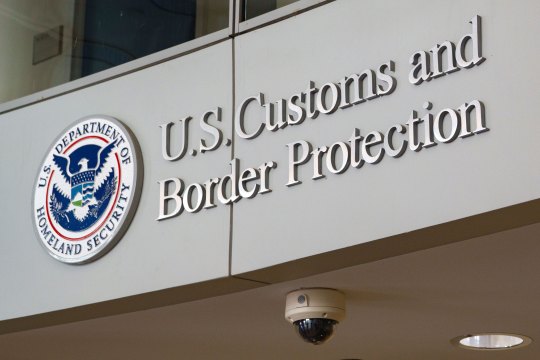
The 2025 Survey of Immigrants, a partnership between KFF and The New York Times, takes an in-depth look at the experiences of immigrants during the first year of President Trump’s second term, including their worries related to increased immigration enforcement, their health and economic wellbeing, and the political views and preferences of immigrant voters. The survey paints a portrait of families under strain — where fear of detention and economic instability are negatively impacting immigrants’ health and reshaping immigrant families’ daily lives and views of U.S. political parties.

Read the News Release | Explore The New York Times’ Reporting

the essentials

Health Tracking Poll

Our signature survey project provides up-to-date data on the public’s health care views, knowledge, and experiences.

Tracking the Public’s Views on the ACA

Tracking the Public’s Views on the ACA

This interactive tool tracks public opinion on the Affordable Care Act, from the inception of the law to the present, including trends based on party identification, income, age, gender, and race/ethnicity.

Health Information and Trust Tracking Poll

The Health Information and Trust Tracking Poll is part of KFF’s Health Information and Trust Initiative, which tracks health misinformation and analyzes its impact on the public.

Polls in Health Policy

This chapter of our digital “textbook” explores why surveys are essential for understanding health policy issues. 

Stay informed.

Stay informed.

Filter

951 - 960 of 1,854 Results

  • Kaiser Health Policy News Index: January 2014

    Feature

    The Kaiser Health Policy News Index is designed to help journalists and policymakers understand which health policy-related news stories Americans are paying attention to, and what the public understands about health policy issues covered in the news. This month's index looks at the public’s attention to the ongoing rollout of the Affordable Care Act (ACA), as well as other news stories including the release of a major government study on health care costs.

  • Kaiser Health Tracking Poll: January 2014

    Feature

    With enrollment in new coverage options underway, a majority of the public believes that only “some” of the ACA’s provisions have been put into place, while just about one in five think “most” or “all” of the law has been implemented. Awareness of the law’s individual mandate and health insurance exchanges has increased slightly since last year, but about four in ten of the public overall and half the uninsured remain unaware of other major…

  • Kaiser Health Tracking Poll: December 2013

    Feature

    The December Kaiser Health Tracking Poll finds a 13 percentage point rebound in Democratic support for the Affordable Care Act (ACA), but no overall change in support or opposition since November. In spite of all the attention and controversy surrounding the law and its implementation, the poll finds that nearly half of the public say it won't make much difference to them or their families.

  • Kaiser Health Tracking Poll: November 2013

    Feature

    Amid heavy news coverage of problems with the Affordable Care Act's rollout, the November Kaiser Health Tracking Poll finds a significant negative shift in the public's views of the law, with roughly half now holding an unfavorable view and just a third holding a positive one.

  • Data Note: Attempting to Measure Early Impact of the ACA through National Public Opinion Polls- A Note of Caution and What to Watch For

    Feature

    After the October start of open enrollment, under the Affordable Care Act, many journalists, policymakers, and the public at large are eager for early data indicating how the law is working from the perspective of potential enrollees. In particular, given the problems with Healthcare.Gov and some of the state exchange websites, many people want quantitative data about people’s experiences attempting to purchase or enroll in some sort of health insurance coverage using these mechanisms. This…

  • Data Note: California’s Young Uninsured – A Look at 19- to 34-Year Olds Pre-ACA Rollout

    Poll Finding

    A Data Note based on the Kaiser Family Foundation California Uninsured Baseline Survey In California, as across the United States, the young uninsured are a key piece of the new Affordable Care Act (ACA) marketplace puzzle. Having a good-sized component of young people, with their generally more robust health and less frequent need for medical care and prescription drugs, in the newly created insurance pools would provide an important counterbalance to the incoming group of…