Public Opinion

Health Information and Trust

Dashboard: Polling on Health Information and Trust

Drawing on KFF’s poll findings, this interactive dashboard tracks the public’s trusted sources for health information, attitudes toward vaccines, and use of news, social media, and AI for health-related information.

THE MIDTERMS

Most Democratic Voters Want To Hear Candidates Discuss Health Costs and Future of Health Programs; More Republicans Focused on Fraud

KFF Health Tracking Poll: Public Views on Fraud in Government Health Programs

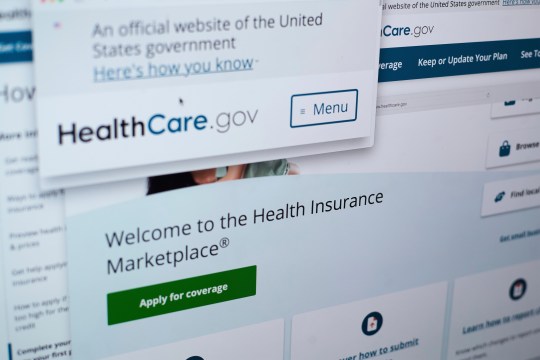
As the 2026 midterms approach, health care costs remain voters’ top health priority, but fraud in government health programs, including Medicaid and Medicare, is resonating with Republican voters, 55% of whom say it’s extremely important for candidates to address. Most voters say there is at least “some” fraud in government health programs, but larger shares say there is fraud in the tax system, defense, and foreign aid, while the smallest share sees fraud in the ACA Marketplaces.

Recent Polls

KFF Health Tracking Poll: Mifepristone and the Midterms

Amid an ongoing FDA re-review of mifepristone, awareness of the safety and prevalence of the abortion pill remains limited. This KFF poll also finds that the voters who say abortion policy is an important issue for 2026 midterm candidates to discuss are disproportionately Democrats.

Ebola Response and Pandemic Preparedness

Much of the public has yet to form an opinion on the U.S. government’s response to the Ebola outbreak in the Democratic Republic of the Congo, this poll finds. Four in ten adults say the U.S. is less prepared for a pandemic now than it was in 2020.

KFF/New York Times Survey of Immigrants

KFF-New York Times Survey: Immigrants Report Rising Fear, Negative Economic and Health Impacts, and Changing Political Views During the First Year of President Trump’s Second Term

The 2025 Survey of Immigrants, a partnership between KFF and The New York Times, takes an in-depth look at the experiences of immigrants during the first year of President Trump’s second term, including their worries related to increased immigration enforcement, their health and economic wellbeing, and the political views and preferences of immigrant voters. The survey paints a portrait of families under strain — where fear of detention and economic instability are negatively impacting immigrants’ health and reshaping immigrant families’ daily lives and views of U.S. political parties.

Read the News Release | Explore The New York Times’ Reporting

the essentials

Health Tracking Poll

Our signature survey project provides up-to-date data on the public’s health care views, knowledge, and experiences.

Tracking the Public’s Views on the ACA

Tracking the Public’s Views on the ACA

This interactive tool tracks public opinion on the Affordable Care Act, from the inception of the law to the present, including trends based on party identification, income, age, gender, and race/ethnicity.

Health Information and Trust Tracking Poll

The Health Information and Trust Tracking Poll is part of KFF’s Health Information and Trust Initiative, which tracks health misinformation and analyzes its impact on the public.

Polls in Health Policy

This chapter of our digital “textbook” explores why surveys are essential for understanding health policy issues. 

Stay informed.

Stay informed.

Filter

1,301 - 1,310 of 1,854 Results

  • USA Today/Kaiser Family Foundation/Harvard School of Public Health Survey: The Public on Prescription Drugs and Pharmaceutical Companies

    Poll Finding

    This poll, the third in a series conducted jointly by USA Today and public opinion researchers at the Kaiser Family Foundation and the Harvard School of Public Health, by USA Today, the Kaiser Family Foundation and the Harvard School of Public Health finds Americans greatly value prescription drugs’ potential benefits for their families, but most believe they cost too much money and many struggle to pay for needed medicines. The survey also provides a comprehensive…

  • NPR/Kaiser/Harvard Survey: The Public on Requiring Individuals to Have Health Insurance – Summary and Chartpack

    Poll Finding

    This summary and chartpack provides an overview of the results from a February 2008 survey conducted jointly by NPR and public opinion researchers at the Kaiser Family Foundation and the Harvard School of Public Health that examines how the public views different approaches for expanding health coverage, including provisions that would require individuals to purchase insurance or parents to obtain coverage for their children. A nationally representative sample of 1,704 adults participated in telephone interviews…

  • NPR/Kaiser/Harvard Survey: The Public on Requiring Individuals to Have Health Insurance

    Poll Finding

    This survey conducted jointly by NPR and public opinion researchers at the Kaiser Family Foundation and the Harvard School of Public Health examines how the public views different approaches for expanding health coverage, including provisions that would require individuals to purchase insurance or parents to obtain coverage for their children. The survey looks at whether or not the public supports such provisions, the major reasons behind their views, and how opinions differ among Democrats, Republicans…

  • NPR/Kaiser/Harvard Survey: The Public on Requiring Individuals to Have Health Insurance – Toplines

    Poll Finding

    These toplines present detailed survey results from a February 2008 survey conducted jointly by NPR and public opinion researchers at the Kaiser Family Foundation and the Harvard School of Public Health that examines how the public views different approaches for expanding health coverage, including provisions that would require individuals to purchase insurance or parents to obtain coverage for their children. A nationally representative sample of 1,704 adults participated in telephone interviews from Feb. 14-24, 2008.…

  • Survey of Likely Voters in Early Primary States

    Poll Finding

    This document includes detailed results from a November 2007 Kaiser/Harvard survey of likely primary voters in 35 states (and the District of Columbia) with January or February 2008 primaries or caucuses. Data from the survey was published in the Jan. 24 New England Journal of Medicine as part of an analysis by Harvard and Kaiser researchers. The survey was conducted by telephone November 1-11, 2007 before any primary elections had occurred, in order to reflect…

  • Presidential Candidates’ Platforms Reflect Sharp Differences in Perspectives of Democratic and Republican Primary Voters on Health Care Problems

    Poll Finding

    Embargoed for release until:Wednesday, January 23, 2008 For further information contact: Kate Schoen, Kaiser, (650) 854-9400, kschoen@kff.orgTodd Datz, HSPH, (617) 432-3952, tdatz@hsph.harvard.edu Presidential Candidates’ Platforms Reflect Sharp Differences in Perspectives of Democratic and Republican Primary Voters on Health Care Problems Analysis Draws On Data From New Kaiser/Harvard Survey of Likely Voters in Early Primary States, As Well As 10 Recent National Polls With the next wave of presidential primary elections quickly approaching, researchers from Harvard…

  • Health Care in the 2008 Presidential Primaries

    Poll Finding

    This analysis find that the sharply contrasting health care platforms of the leading Democratic and Republican presidential candidates reflect dramatic differences in the perspectives of their primary voters. The article analyzes a newly released Kaiser/Harvard survey of likely primary voters in 35 states (and the District of Columbia) with January or February primaries or caucuses, as well as data from 10 other recent surveys by national media polling organizations. The article, "Health Care in the…

  • Kaiser Health Tracking Poll: Election 2008 – December 2007

    Poll Finding

    This December 2007 tracking poll finds finds that Iraq continues to top the list of issues that the public wants to hear presidential candidates talk about, with more than a third (35%) naming the war as one of the top two issues in an open-ended question. Health care (30%) ranks second, followed by the economy (21%) and immigration (17%). Health care ranks second behind Iraq for Republicans, Democrats, and independents alike. However, while health ranks…

  • Key Findings: Kaiser Health Tracking Poll: Election 2008 – December 2007

    Poll Finding

    This document presents key findings from the December 2007 Kaiser Health Tracking Poll: Election 2008, which tracks changes in the saliency of health as a political and policy priority, what the public’s priorities are for a health reform plan, and whether any candidates are breaking through with the public with their health reform plans.  Key Findings (.pdf)