Public Opinion

Health Information and Trust

Dashboard: Polling on Health Information and Trust

Drawing on KFF’s poll findings, this interactive dashboard tracks the public’s trusted sources for health information, attitudes toward vaccines, and use of news, social media, and AI for health-related information.

THE MIDTERMS

Most Democratic Voters Want To Hear Candidates Discuss Health Costs and Future of Health Programs; More Republicans Focused on Fraud

KFF Health Tracking Poll: Public Views on Fraud in Government Health Programs

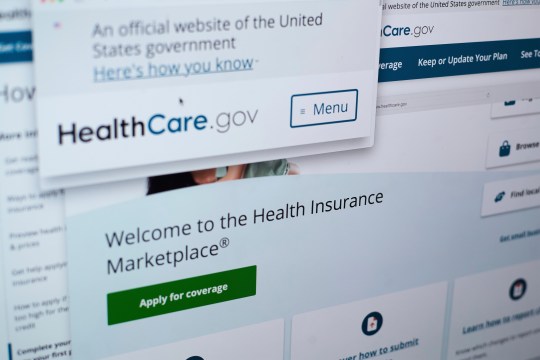
As the 2026 midterms approach, health care costs remain voters’ top health priority, but fraud in government health programs, including Medicaid and Medicare, is resonating with Republican voters, 55% of whom say it’s extremely important for candidates to address. Most voters say there is at least “some” fraud in government health programs, but larger shares say there is fraud in the tax system, defense, and foreign aid, while the smallest share sees fraud in the ACA Marketplaces.

Recent Polls

KFF Health Tracking Poll: Mifepristone and the Midterms

Amid an ongoing FDA re-review of mifepristone, awareness of the safety and prevalence of the abortion pill remains limited. This KFF poll also finds that the voters who say abortion policy is an important issue for 2026 midterm candidates to discuss are disproportionately Democrats.

Ebola Response and Pandemic Preparedness

Much of the public has yet to form an opinion on the U.S. government’s response to the Ebola outbreak in the Democratic Republic of the Congo, this poll finds. Four in ten adults say the U.S. is less prepared for a pandemic now than it was in 2020.

KFF/New York Times Survey of Immigrants

KFF-New York Times Survey: Immigrants Report Rising Fear, Negative Economic and Health Impacts, and Changing Political Views During the First Year of President Trump’s Second Term

The 2025 Survey of Immigrants, a partnership between KFF and The New York Times, takes an in-depth look at the experiences of immigrants during the first year of President Trump’s second term, including their worries related to increased immigration enforcement, their health and economic wellbeing, and the political views and preferences of immigrant voters. The survey paints a portrait of families under strain — where fear of detention and economic instability are negatively impacting immigrants’ health and reshaping immigrant families’ daily lives and views of U.S. political parties.

Read the News Release | Explore The New York Times’ Reporting

the essentials

Health Tracking Poll

Our signature survey project provides up-to-date data on the public’s health care views, knowledge, and experiences.

Tracking the Public’s Views on the ACA

Tracking the Public’s Views on the ACA

This interactive tool tracks public opinion on the Affordable Care Act, from the inception of the law to the present, including trends based on party identification, income, age, gender, and race/ethnicity.

Health Information and Trust Tracking Poll

The Health Information and Trust Tracking Poll is part of KFF’s Health Information and Trust Initiative, which tracks health misinformation and analyzes its impact on the public.

Polls in Health Policy

This chapter of our digital “textbook” explores why surveys are essential for understanding health policy issues. 

Stay informed.

Stay informed.

Filter

1,211 - 1,220 of 1,854 Results

  • Key Findings: Kaiser Health Tracking Poll — July 2009

    Poll Finding

    This document contains the key findings from the July Health Tracking Poll. The survey was designed and analyzed by public opinion researchers at the Kaiser Family Foundation and was conducted July 7 through July 14, 2009, among a nationally representative random sample of 1,205 adults ages 18 and older. Telephone interviews conducted by landline (800) and cell phone (405, including 126 who had no landline telephone) were carried out in English and Spanish. The margin…

  • Toplines: Kaiser Health Tracking Poll — July 2009

    Poll Finding

    This document contains the toplines from the July Health Tracking Poll. The survey was designed and analyzed by public opinion researchers at the Kaiser Family Foundation and was conducted July 7 through July 14, 2009, among a nationally representative random sample of 1,205 adults ages 18 and older. Telephone interviews conducted by landline (800) and cell phone (405, including 126 who had no landline telephone) were carried out in English and Spanish. The margin of…

  • Kaiser Health Tracking Poll – July 2009

    Poll Finding

    The July Kaiser Health Tracking Poll finds a majority of the public remains supportive of taking action on health reform now, though there is some softening of support as criticisms and doubts seem to be registering. As has been the case over the past ten months, a majority of the American people continue to believe that health reform is more important than ever despite the country's economic problems, and the public believes by a two…

  • Chartpack: Kaiser Health Tracking Poll — July 2009

    Poll Finding

    This document contains the chartpack from the July Health Tracking Poll. The survey was designed and analyzed by public opinion researchers at the Kaiser Family Foundation and was conducted July 7 through July 14, 2009, among a nationally representative random sample of 1,205 adults ages 18 and older. Telephone interviews conducted by landline (800) and cell phone (405, including 126 who had no landline telephone) were carried out in English and Spanish. The margin of…

  • Data Note: Footing the Bill

    Poll Finding

    This brief data note looks at the raft of polls recently released on the public’s willingness to pay for an expansion of coverage to their fellow citizens. It compares and contrasts findings on Americans’ general inclinations on the topic, and also revisits recent findings on specific revenue raising proposals. Data Note (.pdf)

  • Survey Brief: Views and Experiences with HIV Testing Among African Americans in the U.S.

    Issue Brief

    This survey brief, based on the 2009 Survey of Americans on HIV/AIDS, examines African Americans' reported views and experiences with HIV testing. The U.S. AIDS epidemic has disproportionately affected African Americans, who account for nearly half of new infections, while representing just 12 percent of the U.S. population. The brief highlights trends and differences among African Americans by age and gender when noteworthy. Survey Brief (.pdf)

  • Survey Brief: Views and Experiences with HIV Testing in the U.S.

    Issue Brief

    This survey brief, based on the 2009 Survey of Americans on HIV/AIDS, takes a deeper look at the U.S. public's attitudes towards and reported experiences with HIV testing, including which groups are most likely to report being tested for HIV, reasons for being tested or not being tested, communications with doctors and partners about HIV/AIDS, information needs related to testing, and perceptions of testing-related stigma. Survey Brief (.pdf)