Public Opinion

Health Information and Trust

Dashboard: Polling on Health Information and Trust

Drawing on KFF’s poll findings, this interactive dashboard tracks the public’s trusted sources for health information, attitudes toward vaccines, and use of news, social media, and AI for health-related information.

THE MIDTERMS

Most Democratic Voters Want To Hear Candidates Discuss Health Costs and Future of Health Programs; More Republicans Focused on Fraud

KFF Health Tracking Poll: Public Views on Fraud in Government Health Programs

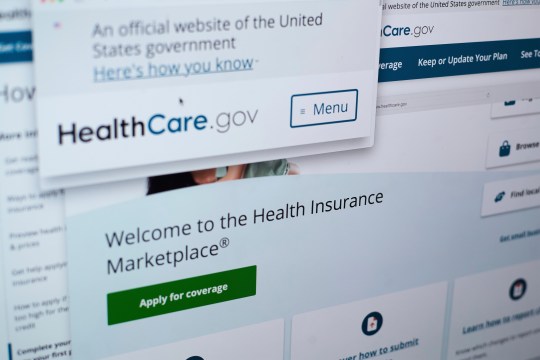
As the 2026 midterms approach, health care costs remain voters’ top health priority, but fraud in government health programs, including Medicaid and Medicare, is resonating with Republican voters, 55% of whom say it’s extremely important for candidates to address. Most voters say there is at least “some” fraud in government health programs, but larger shares say there is fraud in the tax system, defense, and foreign aid, while the smallest share sees fraud in the ACA Marketplaces.

Recent Polls

KFF Health Tracking Poll: Mifepristone and the Midterms

Amid an ongoing FDA re-review of mifepristone, awareness of the safety and prevalence of the abortion pill remains limited. This KFF poll also finds that the voters who say abortion policy is an important issue for 2026 midterm candidates to discuss are disproportionately Democrats.

Ebola Response and Pandemic Preparedness

Much of the public has yet to form an opinion on the U.S. government’s response to the Ebola outbreak in the Democratic Republic of the Congo, this poll finds. Four in ten adults say the U.S. is less prepared for a pandemic now than it was in 2020.

KFF/New York Times Survey of Immigrants

KFF-New York Times Survey: Immigrants Report Rising Fear, Negative Economic and Health Impacts, and Changing Political Views During the First Year of President Trump’s Second Term

The 2025 Survey of Immigrants, a partnership between KFF and The New York Times, takes an in-depth look at the experiences of immigrants during the first year of President Trump’s second term, including their worries related to increased immigration enforcement, their health and economic wellbeing, and the political views and preferences of immigrant voters. The survey paints a portrait of families under strain — where fear of detention and economic instability are negatively impacting immigrants’ health and reshaping immigrant families’ daily lives and views of U.S. political parties.

Read the News Release | Explore The New York Times’ Reporting

the essentials

Health Tracking Poll

Our signature survey project provides up-to-date data on the public’s health care views, knowledge, and experiences.

Tracking the Public’s Views on the ACA

Tracking the Public’s Views on the ACA

This interactive tool tracks public opinion on the Affordable Care Act, from the inception of the law to the present, including trends based on party identification, income, age, gender, and race/ethnicity.

Health Information and Trust Tracking Poll

The Health Information and Trust Tracking Poll is part of KFF’s Health Information and Trust Initiative, which tracks health misinformation and analyzes its impact on the public.

Polls in Health Policy

This chapter of our digital “textbook” explores why surveys are essential for understanding health policy issues. 

Stay informed.

Stay informed.

Filter

1,151 - 1,160 of 1,854 Results

  • Pulling it Together: What Conservatives Are Winning

    Perspective

    Conservatives are out of sorts these days about the direction in which health care is headed. They think the new health reform law expands the role of government too much and spends too much at a time when they believe deficit reduction should be a higher priority. The claims about death panels and a government takeover of the health system aside, these are principled positions for conservatives to take – they are supposed to be…

  • Liking the Pieces, Not the Package: Contradictions in Public Opinion During Health Reform

    Poll Finding

    Public opinion played a prominent role during the recent health care reform debate. In a published Health Affairs article, Kaiser researchers examine past and present polling and show that opinion tracked with historic patterns and was relatively stable, even if the contentious public debate suggested a volatile public mood in 2009 and 2010. Going forward, the public will begin reacting to reform implementation, primarily by judging it in terms of their perceptions of and experiences…

  • KFF June Tracking Poll Finds Health Care in the November 2010 Mix

    Perspective

    The start of summer finds Americans remain divided on the health reform law, but favorable views of the new law increased seven percentage points over the past month to 48 percent, compared to 41 percent who have “generally unfavorable” views and 10 percent who have yet to make up their minds, according to the Kaiser Family Foundation’s newly released June Health Tracking Poll. With four months remaining until the midterm congressional elections, an early look…

  • Recent Premium Increases Imposed by Insurers Averaged 20% for People Who Buy Their Own Health Insurance, Kaiser Survey Finds

    Poll Finding

    For further information contact:Craig Palosky, (202) 347-5270 or cpalosky@kff.orgRakesh Singh, (650) 854-9400 or rsingh@kff.org Recent Premium Increases Imposed by Insurers Averaged 20% for People Who Buy Their Own Health Insurance, Kaiser Survey Finds Facing Such Increases, Some Enrollees Switched To Lower-Cost Coverage People With Pre-Existing Conditions Much More Likely To Report Problems MENLO PARK, CA -- People who buy their own insurance report that their insurers most recently requested premium increases averaging 20 percent, according…

  • Recent Premium Increases Imposed by Insurers Averaged 20% for People Who Buy Their Own Health Insurance, Kaiser Survey Finds

    News Release

    Facing Such Increases, Some Enrollees Switched To Lower-Cost Coverage People With Pre-Existing Conditions Much More Likely To Report Problems MENLO PARK, CA -- People who buy their own insurance report that their insurers most recently requested premium increases averaging 20 percent, according to a new Kaiser survey examining the experiences and views of people who buy health coverage in the non-group or individual market. Overall roughly three in four people (77 percent) with non-group coverage…

  • KFF Survey Finds that a Majority of Individuals Who Buy Their Own Insurance Report Facing a Premium Increase

    Perspective

    People who buy their own insurance report that their insurers most recently requested premium increases averaging 20 percent, according to a new Kaiser survey examining the experiences and views of people who buy health coverage in the non-group or individual market. Overall roughly three in four people (77 percent) with non-group coverage report facing a premium increase with a current or previous insurer. Most say they paid the increase, but 16 percent of all policyholders…

  • Health Affairs Issue Focuses on Health Reform

    Perspective

    The June 2010 issue of the journal Health Affairs is dedicated to health reform, and "begins to tackle the hundreds of implementation issues inherent in health reform and offers prescriptions for averting trouble," according to Editor-in-Chief Susan Dentzer. The issue features an article by Kaiser researchers examining past and present polling related to reform and showing how a surprisingly stable public opinion tracked with historic patterns, even if the contentious public debate suggested a volatile…

  • Kaiser Health Tracking Poll — June 2010

    Feature

    The start of summer finds Americans remain divided on the health reform law, but favorable views of the new law increased seven percentage points over the past month to 48 percent, compared to 41 percent who have “generally unfavorable” views and 10 percent who have yet to make up their minds. With four months remaining until the midterm congressional elections, an early look suggests that the contests could be impacted by a number of different…

  • Survey of People Who Purchase Their Own Insurance

    Poll Finding

    While most people in the U.S. get health insurance through their employer, about 14 million people under age 65 have coverage through the non-group or individual market, which has faced scrutiny recently in news reports about some insurers’ steep rate increases and in the market reforms in the new health reform law that will take effect in 2014. This survey provides insight into the current state of the non-group market and finds policyholders report that…

  • Pulling it Together: REPOR(t)

    Perspective

    In today’s column I investigate a somewhat lighter topic than my last column on micro-simulation modeling: What was the impact of shows like Jon Stewart’s The Daily Show and Stephen Colbert’s The Colbert Report on the health reform debate?  Who among us has not wondered about the answer to this question?  Please don’t answer that. I should start by acknowledging that I am a frequent but not religious viewer of these shows, and believe that…