Public Opinion

Health Information and Trust

Dashboard: Polling on Health Information and Trust

Drawing on KFF’s poll findings, this interactive dashboard tracks the public’s trusted sources for health information, attitudes toward vaccines, and use of news, social media, and AI for health-related information.

THE MIDTERMS

Most Democratic Voters Want To Hear Candidates Discuss Health Costs and Future of Health Programs; More Republicans Focused on Fraud

KFF Health Tracking Poll: Public Views on Fraud in Government Health Programs

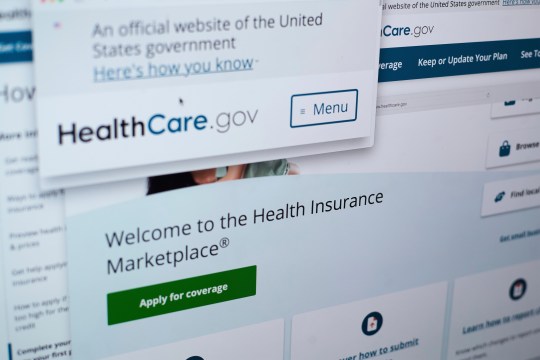
As the 2026 midterms approach, health care costs remain voters’ top health priority, but fraud in government health programs, including Medicaid and Medicare, is resonating with Republican voters, 55% of whom say it’s extremely important for candidates to address. Most voters say there is at least “some” fraud in government health programs, but larger shares say there is fraud in the tax system, defense, and foreign aid, while the smallest share sees fraud in the ACA Marketplaces.

Recent Polls

KFF Health Tracking Poll: Mifepristone and the Midterms

Amid an ongoing FDA re-review of mifepristone, awareness of the safety and prevalence of the abortion pill remains limited. This KFF poll also finds that the voters who say abortion policy is an important issue for 2026 midterm candidates to discuss are disproportionately Democrats.

Ebola Response and Pandemic Preparedness

Much of the public has yet to form an opinion on the U.S. government’s response to the Ebola outbreak in the Democratic Republic of the Congo, this poll finds. Four in ten adults say the U.S. is less prepared for a pandemic now than it was in 2020.

KFF/New York Times Survey of Immigrants

KFF-New York Times Survey: Immigrants Report Rising Fear, Negative Economic and Health Impacts, and Changing Political Views During the First Year of President Trump’s Second Term

The 2025 Survey of Immigrants, a partnership between KFF and The New York Times, takes an in-depth look at the experiences of immigrants during the first year of President Trump’s second term, including their worries related to increased immigration enforcement, their health and economic wellbeing, and the political views and preferences of immigrant voters. The survey paints a portrait of families under strain — where fear of detention and economic instability are negatively impacting immigrants’ health and reshaping immigrant families’ daily lives and views of U.S. political parties.

Read the News Release | Explore The New York Times’ Reporting

the essentials

Health Tracking Poll

Our signature survey project provides up-to-date data on the public’s health care views, knowledge, and experiences.

Tracking the Public’s Views on the ACA

Tracking the Public’s Views on the ACA

This interactive tool tracks public opinion on the Affordable Care Act, from the inception of the law to the present, including trends based on party identification, income, age, gender, and race/ethnicity.

Health Information and Trust Tracking Poll

The Health Information and Trust Tracking Poll is part of KFF’s Health Information and Trust Initiative, which tracks health misinformation and analyzes its impact on the public.

Polls in Health Policy

This chapter of our digital “textbook” explores why surveys are essential for understanding health policy issues. 

Stay informed.

Stay informed.

Filter

1,131 - 1,140 of 1,854 Results

  • KFF Explores Health Reform and the Tea Party Movement

    Perspective

    With much media discussion of the role that the Tea Party will play in the upcoming congressional midterm elections, the Kaiser Family Foundation took a closer look at Tea Party supporters using its most recent Health Tracking Poll data from September. While 57 percent of voters who do not support the Tea Party movement view the health reform law favorably, 57 percent of Tea Party supporters view the law "very" unfavorably, and another 11 percent…

  • How Popular is the Idea of Repealing Health Reform?

    Poll Finding

    With a number of this fall’s candidates for public office advocating an overturn of the new health reform law, this Data Note takes a closer look at the variety of polls that have attempted to measure the public’s support for repeal. Data Note (.pdf) For an updated look on Americans' views on repealing the Affordable Care Act, see: The Public, Health Care Reform, and Views on Repeal January 2011

  • Role of Government Survey

    Poll Finding

    The Foundation, as part of The Washington Post/Kaiser Family Foundation/Harvard University partnership series, conducted a poll to examine the public's views on the government and its role. The Role of Government Survey is the 20th in a series of surveys dating back to 1995 that have been conducted as part of this partnership project. Toplines (.pdf) Read The Washington Post articles on the survey:Beyond the tea party: What Americans really think of governmentEnergized GOP can…

  • Pulling it Together: A Primer on Health in the Election

    Perspective

    There is a lot of talk in polling and political circles and some speculation in the media about the role of health reform in the midterm elections. We regularly measure what the public thinks about health reform and you see reports from our monthly tracking polls about that. But whether those opinions will translate into an impact on people’s votes in the upcoming election is an entirely different question. First, to understand what might happen in…

  • KFF September Tracking Poll Looks at Health Reform and the Elections

    Perspective

    The tug of war for public opinion on health reform continues this month, with approval and disapproval remaining in the same relatively narrow band each has occupied since passage even as favorable views regain a small upper hand, 49 percent favorable vs. 40 percent unfavorable. Opinion is more closely divided among this fall’s likely voters (46 percent vs. 45 percent), and opponents of the law continue to hold their views more emphatically than supporters. Meanwhile,…

  • Americans Remain Wary of “Foreign Aid” But Are More Supportive of Spending to Improve Health Abroad

    News Release

    Latest Survey Probes Public’s Knowledge and Views of U.S. Role in Global Health MENLO PARK, Calif. – While many Americans hold misconceptions and negative views of “foreign aid” in general, they are more supportive of such efforts when described more specifically as “improving health in developing countries,” according to a new survey by the Kaiser Family Foundation. When it comes to U.S. foreign aid in general, six in 10 Americans (61%) say the U.S. spends too much, and…

  • Pulling it Together: Health Reform’s Six-Month Checkup

    Perspective

    Six months after its enactment, there are two totally different stories to tell about the health-reform law. The public remains split on the law largely along traditional partisan lines. Confusion and misperception are rampant, with more than a third of seniors still thinking the law contains "death panels" (it does not). Yet beneath the political battle lies a success story of early implementation: The federal government that many regard as sluggish and ineffective has turned…

  • Kaiser Health Tracking Poll — September 2010

    Feature

    Six months since the enactment of the Patient Protection and Affordable Care Act and a month and a half before the midterm congressional elections, Kaiser's September Health Tracking Poll finds the public remains divided on the new law. Public confusion over the new health law has risen to its highest point since April. The tug of war for public opinion on health reform continues this month, with approval and disapproval staying in the same relatively…

  • 2010 Survey of Americans on the U.S. Role in Global Health

    Poll Finding

    This survey is the third in a series by the Foundation that aims to illuminate the American public’s views and knowledge of U.S. efforts to improve health for people in developing countries. The survey examines perceptions about foreign aid in general and assistance for health specifically, including the public's priorities for international health assistance, perceptions of progress in improving health abroad, sources of news and information on global health issues, and the relationship between positive…