Global Health Policy

selected resources

Global Health Aid Cuts

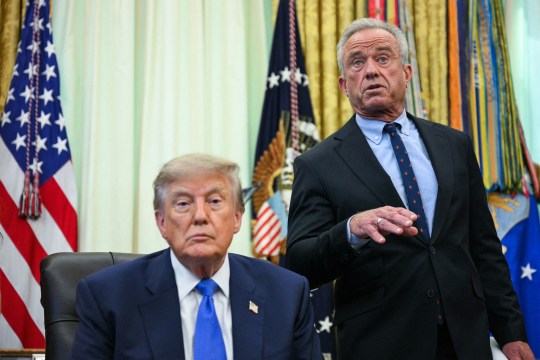
This collection of resources chronicles what recent Trump administration global health aid cuts mean for the future of global health programs and the people who rely on them.

A promotional image for the the KFF Health Policy 101 U.S. Government and Global Health

The U.S. Government and Global Health

In this Health Policy 101 chapter, investigate the U.S. role in global health, including the major initiatives the United States supports, funding levels, and agencies involved in implementing program area efforts.

the essentials

Global Health Trackers

U.S. Global Health Budget Tracker

This tracker provides regularly updated information on U.S. government funding for global health. It includes historical trends and tracks funding levels for U.S. global health efforts through bilateral and multilateral contributions and by program area and agency.

Subscribe to KFF Emails

Choose which emails are best for you.
Sign up here

Filter

31 - 40 of 640 Results

  • Testimony: The U.S. Government Role in Women’s Global Health and Key Challenges

    Issue Brief

    Jennifer Kates, Senior Vice President and Director of KFF’s Global Health & HIV Policy program, testified before the U.S. House of Representatives’ Committee on Foreign Affairs as part of a hearing on Unique Challenges Women Face in Global Health. Her testimony describes the role of the U.S. government in women’s global health and highlights challenges and opportunities to strengthen these efforts.

  • Kaiser Health Policy News Index: November 2014

    Feature

    The Kaiser Health Policy News Index is designed to help journalists and policymakers understand which health policy-related news stories Americans are paying attention to, and what the public understands about health policy issues covered in the news. According to this month’s index, the public remains captivated by news coverage of the Ebola virus. Fewer, but still substantial shares, report following the conflicts in Iraq and Syria and the results of the midterm elections.

  • Donor Government Assistance for Family Planning in 2013

    Report

    This report finds that donor governments provided US$1.3 billion in bilateral funding for family planning programs in low and middle income countries in 2013 – a 19 percent increase from 2012. Donor governments also gave an additional $454 million in core contributions to the United Nations Population Fund (UNFPA), the primary multilateral organization addressing family planning. Funding has risen since the London Summit on Family Planning in 2012, although most of the increase was driven by a small number of donors.

  • Data Note: Update On Public Confidence In U.S. Health Institutions To Deal With Ebola

    Feature

    The October Kaiser Health Tracking Poll found that majorities of the public said that if a case of Ebola were diagnosed in their area, they would have a “great deal” or a “fair amount” of confidence in state, local, and federal health authorities to contain the disease and prevent it from spreading. Given the evolving news story, we re-surveyed the public from October 17-19 to determine whether confidence in health authorities to prevent the spread of Ebola has changed in light of more recent developments.

  • Kaiser Health Policy News Index: Special Focus On Ebola

    Feature

    With the Ebola outbreak in West Africa and individual cases in the U.S. and Europe making international headlines, the latest Kaiser Health Policy News Index examines Americans’ attention to the Ebola crisis, awareness of key facts about the disease, and views of the U.S. role in addressing Ebola in Africa and at home.

  • White House Releases FY18 Budget Request

    Fact Sheet

    The White House released its FY 2018 budget request to Congress on May 23, 2017, which includes significant cuts to global health funding.