Racial Equity and Health Policy

the Essentials
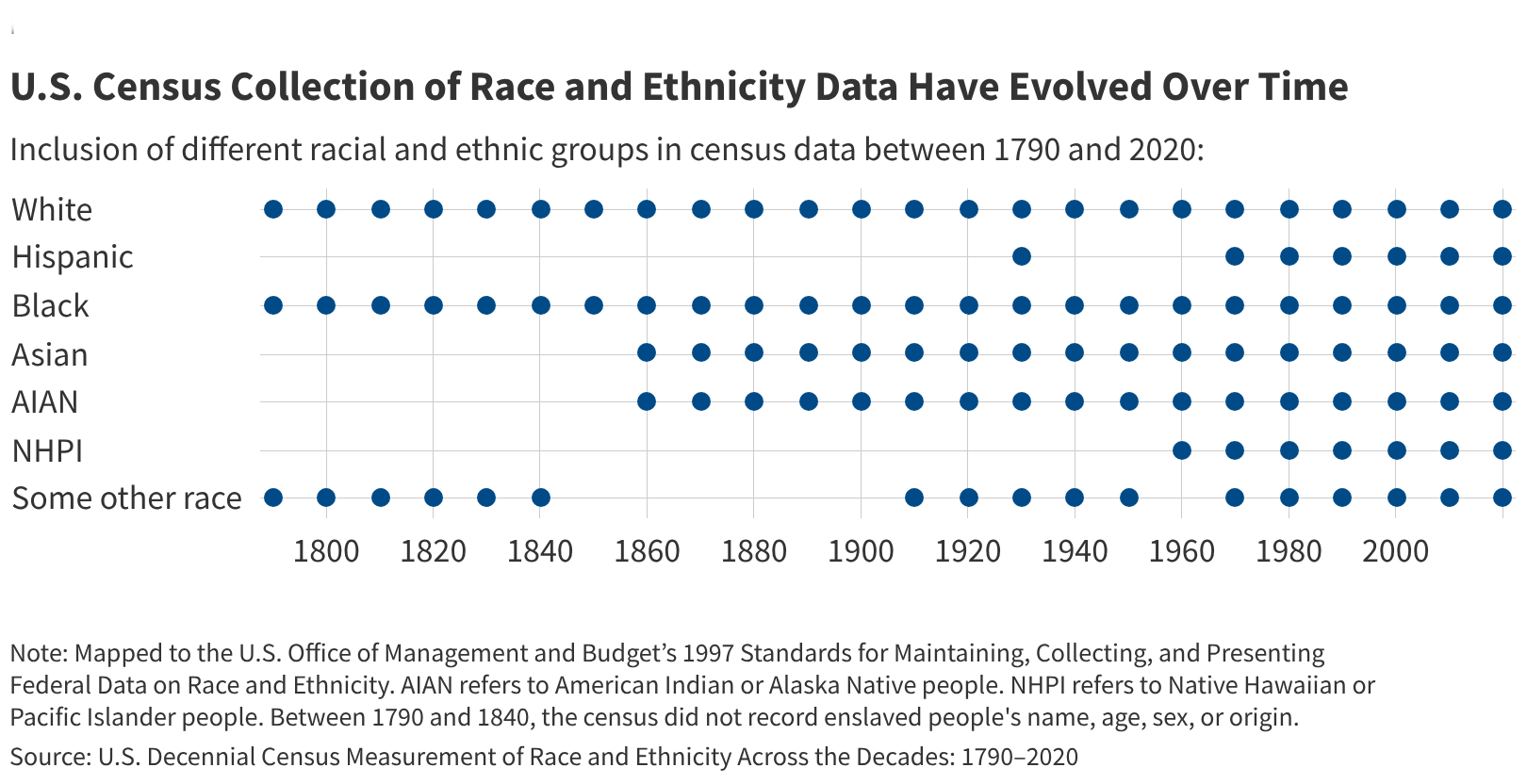
  • Health Coverage by Race and Ethnicity, 2010-2024

    There have been longstanding racial and ethnic disparities in health coverage that contribute to disparities in health. This brief examines trends in health coverage by race and ethnicity from 2010 through 2024 and discusses the implications for such disparities.
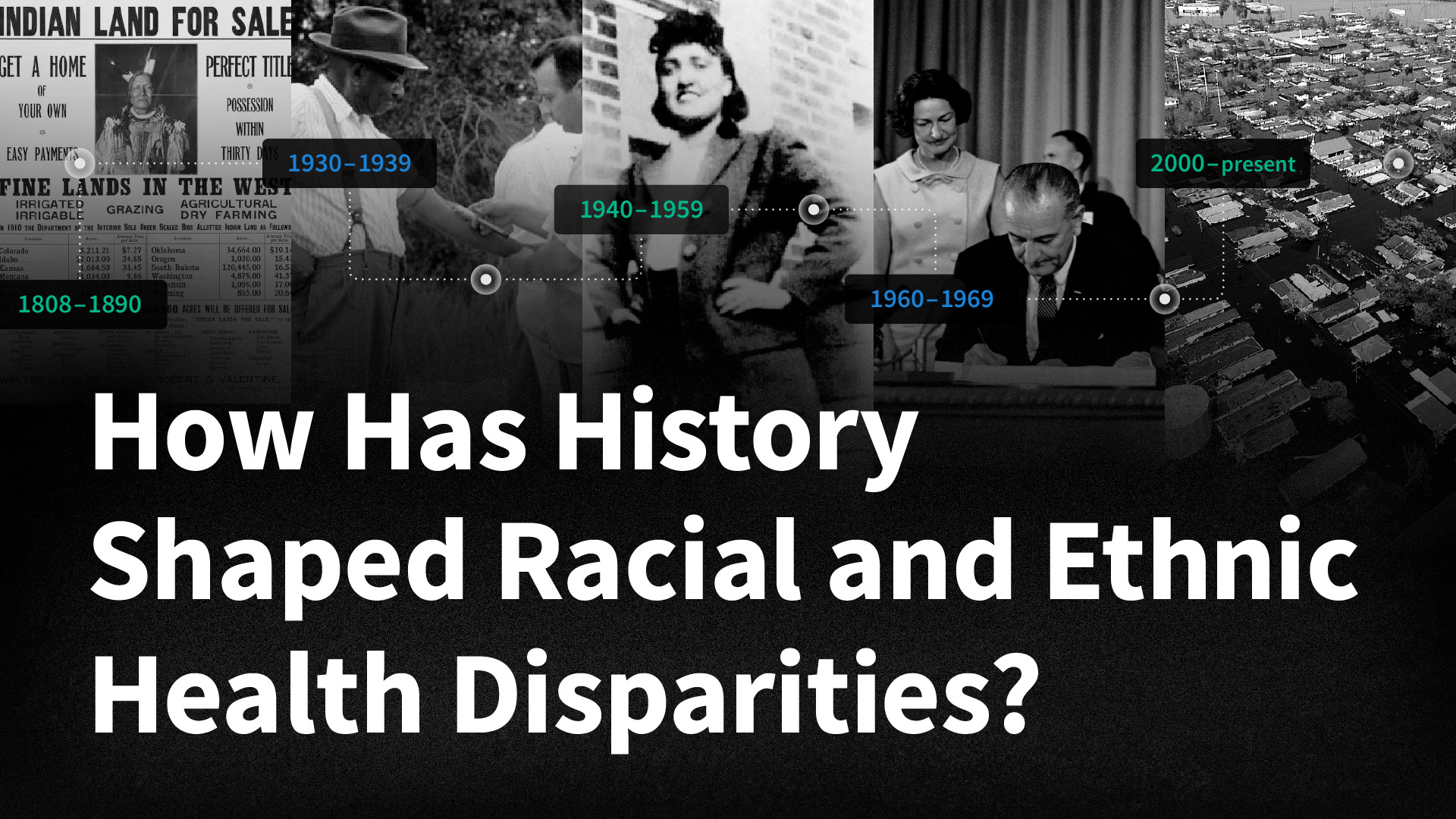
  • Timeline: How History Has Shaped Racial and Ethnic Health Disparities

    This timeline offers a historical view of significant U.S. federal policies and events spanning the early 1800s to today that have influenced present-day health disparities.
  • Health Policy 101: Chapter on Race, Inequality and Health

    Addressing persistent racial and ethnic disparities in health and health care is important for improving the nation’s health and economic prosperity. KFF explains such disparities and the factors that drive them, examines the actions to address them, and outlines future considerations.
  • Key Data on Health and Health Care by Race and Ethnicity

    Racial and ethnic disparities in health and health care remain a persistent challenge in the United States. An updated KFF resource examines how people of color fare compared to White people across 64 measures of health, health care, and social determinants of health.

Survey of Immigrants

KFF-New York Times Survey: Immigrants Report Rising Fear, Negative Economic and Health Impacts, and Changing Political Views During the First Year of President Trump’s Second Term

The 2025 Survey of Immigrants, a partnership between KFF and The New York Times, takes an in-depth look at the experiences of immigrants during the first year of President Trump’s second term, including their worries related to increased immigration enforcement, their health and economic wellbeing, and the political views and preferences of immigrant voters. The survey paints a portrait of families under strain — where fear of detention and economic instability are negatively impacting immigrants’ health and reshaping immigrant families’ daily lives and views of U.S. political parties.

Read the News Release | Explore The New York Times’ Reporting
Subscribe to KFF Emails

Choose which emails are best for you.
Sign up here

Filter

461 - 470 of 602 Results

  • Hispanic People are Facing Widening Gaps in Health Coverage

    Policy Watch

    New analysis shows that, in 2019, the number of uninsured continued to increase for the third year in a row. Much of the coverage loss between 2018 and 2019 was among Hispanic people, and these data point to significant increased barriers to health care for Hispanic people.

  • New Brief Examines COVID-19 Risks and Impacts for Health Care Workers by Race and Ethnicity

    News Release

    New coronavirus cases in the United States have hit daily records multiple times in the past week and hospitalizations are rising in several areas of the country. Health care workers face some of the greatest risk of exposure to the coronavirus and a new KFF brief examines the composition of the workforce and how the risks and the impact of the pandemic on this workforce vary across racial/ethnic groups. With prospects for a successful vaccine…

  • Web Briefing: Racism and Discrimination in Health Care – Experiences Today and Actions to Address Going Forward

    Event Date:
    Event

    Approaching the end of 2020, two of the most pressing concerns facing the country are the long-standing issue of racial discrimination and the ongoing coronavirus pandemic. The issues have merged with the pandemic taking a disproportionate health and economic toll on people of color. As vaccines become available, prioritizing racial equity will become increasingly important for mitigating these disparities and preventing further widening of the going forward, especially as early polling indicates that people of…

  • KFF Launches New COVID-19 Vaccine Monitor to Track the Public’s Confidence in the Vaccine and Experiences for the Duration of the Pandemic

    News Release

    Republicans and Black Americans are More Likely to Be Hesitant but Even Among These Groups Reasons Vary KFF has launched a new COVID-19 Vaccine Monitor to dive deeply into the public’s views about the vaccine and experiences getting it for as long as the pandemic lasts. First results released today show that Americans’ enthusiasm for getting a COVID-19 vaccination varies substantially across groups, with Republicans and Black Americans among those most hesitant. Overall, 71% of…

  • Racial and Ethnic Disparities in Access to and Utilization of Care among Insured Adults

    Issue Brief

    This analysis based on data from the 2014 Kaiser Survey of Low-Income Americans examines differences in access to and utilization of care for Black and Hispanic adults compared to White adults among those who are uninsured, enrolled in Medicaid, and privately insured. The findings suggest that gains in health coverage under the ACA will lead to improvements in access to care and utilization for White, Black, and Hispanic adults. They also highlight the importance of…

  • More than 8 in 10 Workers With Spousal Health Benefits Have Access to Same-Sex Spousal Benefits, Analysis Finds

    News Release

    Following two major Supreme Court rulings on same-sex marriage, a new Kaiser Family Foundation data note finds that in 2016, 84 percent of employees who worked at firms offering spousal health benefits also had access to same-sex spousal benefits. Eight percent did not have access, while another 8 percent worked at firms who reported they had not encountered this benefits issue. The data note draws from responses to the Kaiser/Health Research & Educational Trust (Kaiser/HRET)…

  • The Role of Medicaid in Rural America

    Issue Brief

    This brief describes Medicaid’s role for 52 million nonelderly children and adults living in the most rural areas in the United States and discusses how expansions or reductions in Medicaid could affect rural areas.

  • Los Latinos y el VIH/SIDA

    Fact Sheet

    Latinos and HIV/AIDS (Spanish version) This fact sheet provides an overview of the HIV/AIDS epidemic in the United States as it has affected Latinos, including information on the disproportionate impact of HIV/AIDS on the Latino community and a current case profile. It is available in English and Spanish. Fact Sheet:

  • Race, Ethnicity and Medical Care: Improving Access in a Diverse Society

    Report

    In an effort to address the racial inequities in health care that exist today, the Kaiser Family Foundation brought together leading public and private sector policymakers -- including health professionals, educators, civil rights leaders, and consumer organizations -- to review the evidence and race and medical care and discuss what can be done to address inequities in care.