Public Opinion

New and Noteworthy

Quote from KFF President and CEO Drew Altman reads, "when it comes to the “affordability crisis” driving the national discussion of health care today, the chronically ill, and most of all the chronically ill uninsured, are the tip of the spear."

The Group that Struggles the Most in American Health Care

In a new column, Dr. Drew Altman, KFF’s Founding President and CEO, previews findings about the chronically ill uninsured from a large KFF survey of 25,000 Americans focusing on the cost and access challenges facing the chronically ill, which will be released tomorrow. He writes: “There are more than enough needs to go around in American health care, but if I had to pick the one group that struggles the most with costs and access, it would be people with chronic illnesses who are also uninsured.”

Americans’ Challenges with Health Care Costs

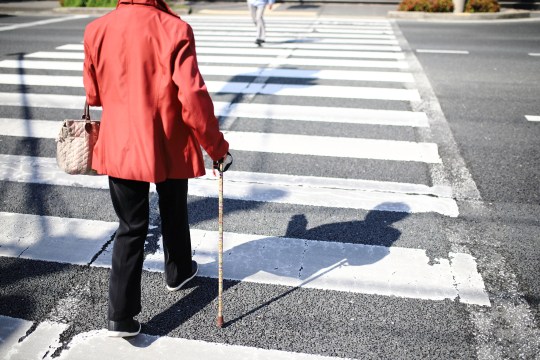
This data note reviews recent KFF polling data about Americans' struggles to afford many aspects of health care, including disproportionate shares of uninsured adults, Black and Hispanic adults, and those with lower incomes.

MAHA and the Midterms

KFF's poll finds that the cost of health care is a more prominent focus for Make America Healthy Again (MAHA) voters than issues like food and vaccine policy.

Mifepristone and the Midterms

KFF's poll finds that voters who say abortion policy is an important issue for midterm candidates to discuss are disproportionately Democrats.

Health Information and Trust

Dashboard: Polling on Health Information and Trust

Drawing on KFF’s poll findings, this interactive dashboard tracks the public’s trusted sources for health information, attitudes toward vaccines, and use of news, social media, and AI for health-related information.

Recent Polls

4 in 10 LGBTQ+ Adults, Including 6 in 10 Trans Adults, Say Their Insurer Delayed or Denied Needed Care in the Past Two Years

Examining LGBTQ+ Adults’ Experiences with Health Care Costs and Access

LGBTQ+ adults are more likely than others to postpone or skip needed care (58% vs. 38%), forgo prescription medications due to cost (22% vs. 12%), and struggle to pay medical bills (30% vs. 21%). Among LGBTQ+ adults, cost-related challenges are especially high for trans adults, those who are young, those with low incomes, and those who lack health insurance.

KFF Health Tracking Poll: Mifepristone and the Midterms

Amid an ongoing FDA re-review of mifepristone, awareness of the safety and prevalence of the abortion pill remains limited. This KFF poll also finds that the voters who say abortion policy is an important issue for 2026 midterm candidates to discuss are disproportionately Democrats.

Ebola Response and Pandemic Preparedness

Much of the public has yet to form an opinion on the U.S. government’s response to the Ebola outbreak in the Democratic Republic of the Congo, this poll finds. Four in ten adults say the U.S. is less prepared for a pandemic now than it was in 2020.

the essentials

Health Tracking Poll

Our signature survey project provides up-to-date data on the public’s health care views, knowledge, and experiences.

Tracking the Public’s Views on the ACA

Tracking the Public’s Views on the ACA

This interactive tool tracks public opinion on the Affordable Care Act, from the inception of the law to the present, including trends based on party identification, income, age, gender, and race/ethnicity.

Health Information and Trust Tracking Poll

The Health Information and Trust Tracking Poll is part of KFF’s Health Information and Trust Initiative, which tracks health misinformation and analyzes its impact on the public.

Polls in Health Policy

This chapter of our digital “textbook” explores why surveys are essential for understanding health policy issues. 

KFF/New York Times Survey of Immigrants

KFF-New York Times Survey: Immigrants Report Rising Fear, Negative Economic and Health Impacts, and Changing Political Views During the First Year of President Trump’s Second Term

The 2025 Survey of Immigrants, a partnership between KFF and The New York Times, takes an in-depth look at the experiences of immigrants during the first year of President Trump’s second term, including their worries related to increased immigration enforcement, their health and economic wellbeing, and the political views and preferences of immigrant voters. The survey paints a portrait of families under strain — where fear of detention and economic instability are negatively impacting immigrants’ health and reshaping immigrant families’ daily lives and views of U.S. political parties.

Read the News Release | Explore The New York Times’ Reporting

Stay informed.

Stay informed.

Filter

1,331 - 1,340 of 1,857 Results

  • Michael Moore’s “Sicko”– Broad Reach and Impact Even Without the Popcorn?

    Poll Finding

    For further information contact:Larry Levitt, (650) 854-9400, llevitt@kff.orgCraig Palosky, (202) 347-5270, cpalosky@kff.orgKate Schoen, (650) 854-9400, kschoen@kff.org Few Have Seen the Movie But Nearly Half of the Public is Familiar With It "Sicko" Gets Many Talking About Health Care Issues, Reinforcing Views of Some and Encouraging Others (Even Some Conservatives) To Re-Think the Need for Reform Menlo Park, CA -- If the potential impact of Michael Moore's documentary "Sicko" were dependent solely on those who have actually seen the film,…

  • Survey Brief: Political Independents and Health Care

    Poll Finding

    With the 2008 presidential race well underway, some analysts believe that political independents will play a key role in the final vote. In July 2007, The Washington Post, the Kaiser Family Foundation, and Harvard University released a Survey of Political Independents exploring the views and priorities of these voters on a variety of issues. This Survey Brief takes an in-depth look at independents’ views on health care, including the saliency of the issue, which party…

  • Toplines: Awareness and Perceptions of the Movie “Sicko”

    Poll Finding

    Toplines: Awareness and Perceptions of the Movie "Sicko" This document contains the detailed toplines from the survey Awareness and Perceptions of the Movie "Sicko": Selected Findings from the Kaiser Health Tracking Poll: Election 2008. Toplines (.pdf) For results from the full August 2007 Kaiser Health Tracking Poll: Election 2008, go to: www.kff.org/kaiserpolls/h08_7690.

  • Medicare Prescription Drug Benefit Progress Report: Findings From A 2006 National Survey of Seniors

    Event Date:
    Event

    The share of seniors without drug coverage dropped significantly under Medicare’s new drug benefit, according to this August 2007 Health Affairs Web Exclusive article based on a Kaiser Family Foundation, Commonwealth Fund and Tufts-New England Medical Center survey of more than 16,000 seniors. Seniors with drug coverage from any source were less likely to face high monthly drug costs or to skip prescribed medications due to cost than seniors who remained without drug coverage. However,…

  • Chartpack: Awareness and Perceptions of the Movie “Sicko”

    Poll Finding

    Chartpack: Awareness and Perceptions of the Movie "Sicko" This chartpack highlights key results from the survey Awareness and Perceptions of the Movie “Sicko”: Selected Findings from the Kaiser Health Tracking Poll: Election 2008. Chartpack (.pdf)

  • Awareness and Perceptions of the Movie “Sicko”

    Poll Finding

    An August 2007 poll from the Kaiser Family Foundation looks at the potential impact of Michael Moore's documentary "Sicko." The survey finds that although only 4% of adults say they have watched it, almost half (46%) had seen the movie or heard or read something about it a little over a month after its national release. Among those familiar with "Sicko," 45% said they have had a discussion with friends, co-workers, and family about the…

  • More Than Four in 10 Adults in New Orleans Report Worse Health Care Access Post-Katrina

    Poll Finding

    Embargoed for release until:July 31, 2007 For further information contact:Rakesh Singh, rsingh@kff.org, (202) 654-1313 Craig Palosky, cpalosky@kff.org, (202) 347-5270 MORE THAN FOUR IN 10 ADULTS IN NEW ORLEANS REPORT WORSE HEALTH CARE ACCESS POST-KATRINA In Orleans Parish, One in Four Adults Reported Being Uninsured And 70 Percent of Uninsured Adults were African Americans As the second anniversary of Hurricane Katrina’s landfall approaches, new analysis by the Kaiser Family Foundation of its household survey of people…

  • The Future of New Orleans: Young Adults in the Greater New Orleans Area

    Poll Finding

    Using data from the Kaiser Post-Katrina Baseline Survey of the New Orleans Area, this Survey Brief profiles young adults (those ages 18-34) living in the Greater New Orleans area, a group that will play a key role in the success and rebuilding of New Orleans. The brief looks at whether they plan to stay in the New Orleans area, their outlook for the future, their demographic profile, and some of the challenges they face. The…

  • Toplines – Health Tracking Poll — March 2007

    Poll Finding

    This document contains the detailed toplines from the first Kaiser Health Tracking Poll: Election 2008, which is tracking changes in the saliency of health as a political and policy priority, what the public’s priorities are for a health reform plan and whether any candidates are breaking through with the public with their health reform plans.  Toplines (.pdf)

  • Key Findings: Kaiser Health Tracking Poll: Election 2008 — March 2007

    Poll Finding

    This document presents key findings from the first Kaiser Health Tracking Poll: Election 2008, which is tracking changes in the saliency of health as a political and policy priority, what the public’s priorities are for a health reform plan and whether any candidates are breaking through with the public with their health reform plans.  Key Findings (.pdf)