Global Health Policy

selected resources

Global Health Aid Cuts

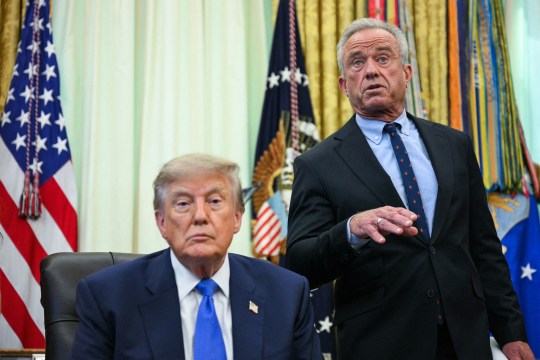
This collection of resources chronicles what recent Trump administration global health aid cuts mean for the future of global health programs and the people who rely on them.

A promotional image for the the KFF Health Policy 101 U.S. Government and Global Health

The U.S. Government and Global Health

In this Health Policy 101 chapter, investigate the U.S. role in global health, including the major initiatives the United States supports, funding levels, and agencies involved in implementing program area efforts.

the essentials

Global Health Trackers

U.S. Global Health Budget Tracker

This tracker provides regularly updated information on U.S. government funding for global health. It includes historical trends and tracks funding levels for U.S. global health efforts through bilateral and multilateral contributions and by program area and agency.

Subscribe to KFF Emails

Choose which emails are best for you.
Sign up here

Filter

561 - 570 of 639 Results

  • Analysis Compares President Trump and Democratic Nominee Biden on COVID-19

    News Release

    Few issues are likely to matter as much to voters in November’s presidential election as President Trump’s response to the COVID-19 pandemic and resulting economic crisis, which have left almost 200,000 Americans dead and prompted job layoffs and furloughs affecting tens of millions of Americans.

  • From the Federal Response to COVID-19 to Ongoing Efforts to Repeal the ACA and Proposals for Lowering Drug Prices, President Trump Has an Extensive Record on Health Care

    News Release

    Since taking office in 2017, President Trump has laid down an extensive record on health care, including his response to the COVID-19 pandemic, his early and ongoing efforts to repeal and replace the Affordable Care Act, his annual budget proposals to curb spending on Medicare and Medicaid, his executive orders and other proposals to lower…

  • Funding for Key HIV Commodities in PEPFAR Countries

    Issue Brief

    In many low- and middle-income countries, PEPFAR and the Global Fund are significant funders of commodities to diagnose, treat, and prevent HIV, along with country governments. But, information on their relative contributions, which is important for assessing the HIV response, is not readily available. We analyzed data from PEPFAR documents on funding for key HIV commodities in 34 PEPFAR countries to better understand the funding landscape.

  • Tracking Global COVID-19 Vaccine Equity

    Issue Brief

    This analysis looks at global COVID-19 vaccination efforts by income-level and region to assess the equity gap in both vaccination coverage and rates of administration. Overall, we find that low-income countries and countries are lagging behind, and based on current rates, are unlikely to meet global vaccination targets.

  • The Helms Amendment and Abortion Laws in Countries Receiving U.S. Global Health Assistance

    Issue Brief

    This brief examines abortion laws in countries that received certain U.S. foreign assistance to better understand the implications of the Helms Amendment (which prohibits the use of foreign assistance to pay for the performance of abortion as a method of family planning or to motivate or coerce any person to practice abortion) for abortion access globally.

  • HIV Policy Alignment with International Standards in PEPFAR Countries

    Issue Brief

    This issue brief assesses how the HIV policy landscapes in PEPFAR countries compare to international standards and recommendations. Additionally, we look at the HIV policy landscapes in PEPFAR countries as compared to peer countries. These comparisons are done at the overall, category, and policy indicator level.

  • Economic Impact of COVID-19 on PEPFAR Countries

    Issue Brief

    The COVID-19 has exacted a significant toll on the global economy. This new analysis looks at the economic impacts in PEPFAR countries finding that these countries generally fared worse than their economic and regional peers. In addition, the projected economic growth in these countries remains below pre-pandemic levels.