Global Health Policy

selected resources

Global Health Aid Cuts

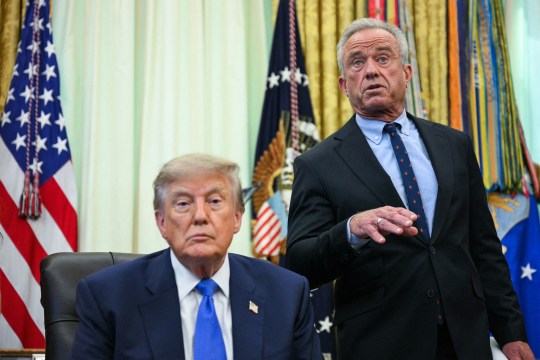
This collection of resources chronicles what recent Trump administration global health aid cuts mean for the future of global health programs and the people who rely on them.

A promotional image for the the KFF Health Policy 101 U.S. Government and Global Health

The U.S. Government and Global Health

In this Health Policy 101 chapter, investigate the U.S. role in global health, including the major initiatives the United States supports, funding levels, and agencies involved in implementing program area efforts.

the essentials

Global Health Trackers

U.S. Global Health Budget Tracker

This tracker provides regularly updated information on U.S. government funding for global health. It includes historical trends and tracks funding levels for U.S. global health efforts through bilateral and multilateral contributions and by program area and agency.

Subscribe to KFF Emails

Choose which emails are best for you.
Sign up here

Filter

501 - 510 of 640 Results

  • A Little-Noticed Win in Global HIV Treatment

    From Drew Altman

    This was published as a Wall Street Journal Think Tank column on Jul7 27, 2015. Many Americans are skeptical about foreign aid because they believe a large share of U.S. assistance is lost to corruption.

  • Web Briefing for Media: What Do The Sustainable Development Goals Mean for Global Health?

    Event Date:
    Event

    In late September, the United Nations General Assembly will discuss and adopt a plan for international development for the next 15 years. This new plan, called the Sustainable Development Goals (SDGs), could have important implications for global health policy. On September 9, the Kaiser Family Foundation held an interactive web briefing exclusively for journalists to examine these key issues ahead of the United Nations General Assembly.

  • Donor Government Assistance for Family Planning in 2015

    Report

    A new Kaiser Family Foundation report finds that donor governments provided US$1.3 billion in bilateral funding for family planning programs in low- and middle-income countries in 2015, essentially matching 2014 levels in real terms (after accounting for exchange rate fluctuations and inflation). In current U.S. dollars, however, 2015 funding was 6 percent below the 2014 level, largely due to the appreciation of the U.S. dollar.

  • Breaking Down the U.S. Global Health Budget by Program Area

    Fact Sheet

    The U.S. government is the largest donor to global health in the world. This fact sheet breaks down the U.S. global health budget by program area: HIV/PEPFAR; tuberculosis; malaria/the President's Malaria Initiative; the Global Fund to Fight AIDS, Tuberculosis, and Malaria; maternal & child health; nutrition; family planning & reproductive health; global health security; and neglected tropical diseases.

  • Civil Society Inclusion in a New Financial Intermediary Fund: Lessons from Current Multilateral Initiatives

    Issue Brief

    To help inform ongoing global discussions about the creation of a new financing mechanism for pandemic preparedness and response, including questions about its governance and operations and the extent to which civil society will be formally included, we analyzed 14 major multilateral global health and related institutions to assess how civil society has been engaged in their governance, implementation/programming, and monitoring.