Public Opinion

THE MIDTERMS

KFF Health Tracking Poll: MAHA and the Midterms

Chemical food additive and pesticide concerns associated with the Make America Health Again (MAHA) movement are shared broadly across the public. But when it comes to voters, health care costs are a higher priority and bigger motivator, even among MAHA supporters, a new KFF Health Tracking Poll finds. When asked to identify their most important health priority for government to address, far more MAHA-supporting voters identify lowering the cost of health care (42%) than other issues more closely associated with the movement.

For more on this topic, read KFF Founding President and CEO Dr. Drew Altman's new Beyond the Data column: There Are Many MAHAs.

Poll: Health Care Costs and the Midterms

Health care costs continue to top the public’s list of affordability worries, even as concerns about gas prices have risen in recent weeks, with two-thirds of the public expressing worry over affording health care costs.

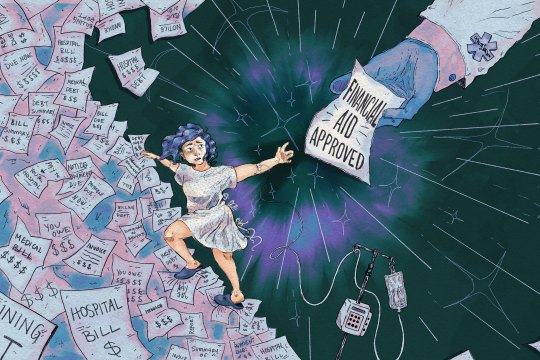
Americans’ Challenges with Health Care Costs

This data note reviews our recent polling data that finds that many Americans struggle to afford many aspects of health care, including disproportionate shares of uninsured adults, Black and Hispanic adults and those with lower incomes.

Health Information and Trust

Dashboard: Polling on Health Information and Trust

Drawing on KFF’s poll findings, this interactive dashboard tracks the public’s trusted sources for health information, attitudes toward vaccines, and use of news, social media, and AI for health-related information.

Recent Polls

Public Views on Foreign Aid and Global Health

This poll finds that less than half of the public now wants the U.S. to play at least a major role in improving the health of people in developing countries. When asked about the administration’s changes to foreign aid and global health, more people perceive a negative impact than a positive one.

Knowledge and Views of Medication Abortion

This KFF Health Tracking Poll finds that many, including women of reproductive age, remain unfamiliar with key facts about mifepristone. Fewer than half of all adults say they believe abortion pills are safe now, compared to over half of all adults two years ago. This poll explores awareness and perception of the recent FDA review of the medication, and support for policies aimed at restricting it.

KFF/New York Times Survey of Immigrants

KFF-New York Times Survey: Immigrants Report Rising Fear, Negative Economic and Health Impacts, and Changing Political Views During the First Year of President Trump’s Second Term

The 2025 Survey of Immigrants, a partnership between KFF and The New York Times, takes an in-depth look at the experiences of immigrants during the first year of President Trump’s second term, including their worries related to increased immigration enforcement, their health and economic wellbeing, and the political views and preferences of immigrant voters. The survey paints a portrait of families under strain — where fear of detention and economic instability are negatively impacting immigrants’ health and reshaping immigrant families’ daily lives and views of U.S. political parties.

Read the News Release | Explore The New York Times’ Reporting

the essentials

Health Tracking Poll

Our signature survey project provides up-to-date data on the public’s health care views, knowledge, and experiences.

Tracking the Public’s Views on the ACA

Tracking the Public’s Views on the ACA

This interactive tool tracks public opinion on the Affordable Care Act, from the inception of the law to the present, including trends based on party identification, income, age, gender, and race/ethnicity.

Health Information and Trust Tracking Poll

The Health Information and Trust Tracking Poll is part of KFF’s Health Information and Trust Initiative, which tracks health misinformation and analyzes its impact on the public.

Polls in Health Policy

This chapter of our digital “textbook” explores why surveys are essential for understanding health policy issues. 

Subscribe to KFF Emails

Choose which emails are best for you.
Sign up here

Filter

801 - 810 of 1,840 Results

  • Primary Care Providers’ Views Of Recent Trends In Health Care Delivery And Payment

    Poll Finding

    A new survey from The Commonwealth Fund and The Kaiser Family Foundation asked primary care providers—physicians, nurse practitioners, and physician assistants—about their experiences with and reactions to recent changes in health care delivery and payment. Providers’ views are generally positive regarding the impact of health information technology on quality of care, but they are more divided on the increased use of medical homes and accountable care organizations. Overall, providers are more negative about the increased…

  • The Connection Between Health Coverage and Income Security

    News Release

    Using data from a new Kaiser Family Foundation panel survey following the uninsured in California who gained coverage since 2010, Drew Altman's latest column in The Wall Street Journal's Think Tank shows how expanding health coverage and improving economic security for working Americans are connected even though they are often part of separate policy debates. All previous columns by Drew Altman are available online.

  • The Connection Between Health Coverage and Income Security

    From Drew Altman

    In this column in The Wall Street Journal's Think Tank, Drew Altman shows how expanding health coverage and improving economic security for working Americans are connected even though they are often part of separate policy debates.

  • Media Briefing to Release New Survey Tracking California’s Previously Uninsured Residents Under the Affordable Care Act

    Event Date:
    Event

    Media-only web briefing that released a new survey tracking the experiences of California's previously uninsured residents under the Affordable Care Act (ACA). New survey provides a detailed assessment of how well the ACA is working for previously uninsured residents in a state that embraced the ACA's coverage expansion opportunities by establishing the Covered California insurance marketplace and expanding its Medi-Cal program.

  • California’s Previously Uninsured After The ACA’s Second Open Enrollment Period

    Report

    The Kaiser Family Foundation California Longitudinal Panel Survey is a series of surveys that, over time, tracks the experiences and views of a representative, randomly selected sample of Californians who were uninsured prior to the major coverage expansions under the Affordable Care Act (ACA). The initial baseline survey was conducted with a representative sample of 2,001 nonelderly uninsured Californian adults in summer 2013, prior to the ACA’s initial open enrollment period. The second survey in…

  • New Survey Finds 68 Percent of Previously Uninsured Adult Californians Gained Coverage Since the ACA’s Implementation

    News Release

    Steep Drops in Problems Paying For and Getting Care among Recently Insured, But Affordability and Access Problems Remain Eligible Latinos Obtained Coverage at Similar Rates as Whites; People Ineligible Due to Immigration Status Now Make Up 41% of Remaining Uninsured   MENLO PARK, Calif. - About two thirds (68%) of previously uninsured Californians have health coverage after the Affordable Care Act's second open enrollment period, and this group is now much more likely to report…

  • Will the Iran Debate Defuse Partisan Battles Over Obamacare?

    News Release

    In his latest column for The Wall Street Journal's Think Tank, Drew Altman discusses whether the debate about the Iran deal may bring a respite for the Affordable Care Act from politics as usual, and how long it might last. All previous columns by Drew Altman are available.

  • Will the Iran Debate Defuse Partisan Battles Over Obamacare?

    From Drew Altman

    In this column for The Wall Street Journal's Think Tank, Drew Altman discusses whether the debate about the Iran deal may bring a respite for the Affordable Care Act from politics as usual, and how long it might last.

  • Medicare And Medicaid At 50

    Poll Finding

    Medicare and Medicaid were signed into law by President Lyndon Johnson on July 30, 1965 in a bipartisan effort to provide health insurance coverage for low-income, disabled, and elderly Americans. In their 50 year history, each of these programs has come to play a key role in providing health coverage to millions of Americans today and make up a significant component of federal and state budgets. As major programs both in size and scope, their…

  • With Medicare and Medicaid Getting High Marks from the Public and Beneficiaries, Majorities Favor Status Quo over Major Structural Changes Such As Premium Supports or Block Grants

    News Release

    Among Medicare Changes, Strongest and Broadest Support Is for Negotiating Drug Prices People With Medicare, Medicaid and Employer Plans Give Their Coverage Similar Ratings, But Some Report Affordability and Physician Access Problems Fifty years after President Lyndon Johnson signed the law creating the Medicare and Medicaid programs, a new Kaiser Family Foundation poll finds a majority of the public and the vast majority of program beneficiaries view the two programs positively. Likely as a result,…