Public Opinion

HeaLTH COSTS

Democrats Hold a Nearly 2-to-1 Advantage Over Republicans on Handling the Cost of Health Care

KFF Health Tracking Poll: Health Care Issues in the Lead-Up to the 2026 Midterm Election 

With the 2026 midterms about a month away, health care costs remain tied with gas as voters’ top midterm concerns and the Democrats hold a clear edge over the Republicans Party on who voters trust to handle many top electoral issues, including the cost of health care and the cost of living. Two-thirds of U.S. adults now favor Medicare-for-all, a new high in KFF Polling, but support shifts when competing claims from critics and proponents are heard.
A Guide to the Role of Health in the Midterms

In a new column, President and CEO Dr. Drew Altman says health care costs are playing a significant role in the midterms as one dimension of voters’ concerns about cost of living, and explains why pollsters, analysts, and candidates should look at it that way, and not as a separate voting issue. He writes, “The ‘issue’ that matters most in this election is cost of living and the cost of health care is a central element of it for voters.”

Current and Historical Public Opinion on Medicare-for-All

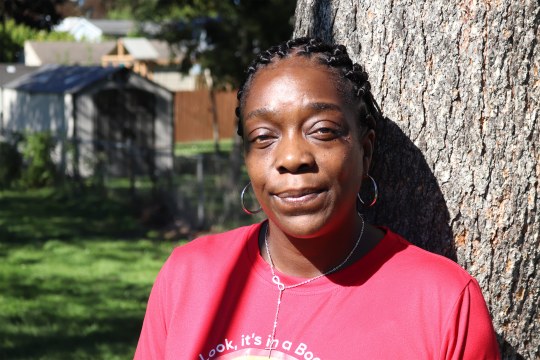
Get a summary of KFF polling data on public opinion on Medicare-for-all and other national health plan proposals. The latest update finds that two-thirds of the public supports Medicare-for-all, while support changes drastically as respondents hear arguments from proponents and critics.

KFF/AP Survey of RURAL VOTERS

Health Information and Trust

Dashboard: Polling on Health Information and Trust

Drawing on KFF’s poll findings, this interactive dashboard tracks the public’s trusted sources for health information, attitudes toward vaccines, and use of news, social media, and AI for health-related information.

Health Tracking PollS

Mifepristone and the Midterms

Amid an ongoing FDA re-review of mifepristone, awareness of the safety and prevalence of the abortion pill remains limited. This KFF poll also finds that the voters who say abortion policy is an important issue for 2026 midterm candidates to discuss are disproportionately Democrats.

Ebola Response and Pandemic Preparedness

Much of the public has yet to form an opinion on the U.S. government’s response to the Ebola outbreak in the Democratic Republic of the Congo, this poll finds. Four in ten adults say the U.S. is less prepared for a pandemic now than it was in 2020.

Most Democratic Voters Want To Hear Candidates Discuss Health Costs and Future of Health Programs; More Republicans Focused on Fraud

Public Views on Fraud in Government Health Programs

As the 2026 midterms approach, health care costs remain voters’ top health priority, but fraud in government health programs, including Medicaid and Medicare, is resonating with Republican voters, 55% of whom say it’s extremely important for candidates to address.

MAHA and the Midterms

This KFF Health Tracking Poll finds that the cost of health care is a more prominent focus for Make America Healthy Again (MAHA) voters than issues like food and vaccine policy. Four in ten MAHA voters (42%) choose lowering health costs as the most important health priority, outranking other MAHA priorities.

the essentials

Health Tracking Poll

Our signature survey project provides up-to-date data on the public’s health care views, knowledge, and experiences.

Tracking the Public’s Views on the ACA

Tracking the Public’s Views on the ACA

This interactive tool tracks public opinion on the Affordable Care Act, from the inception of the law to the present, including trends based on party identification, income, age, gender, and race/ethnicity.

Health Information and Trust Tracking Poll

The Health Information and Trust Tracking Poll is part of KFF’s Health Information and Trust Initiative, which tracks health misinformation and analyzes its impact on the public.

Stay informed.

Stay informed.

Filter

1,821-1,830 of 1,864 results

  • Getting Behind the Numbers on Access to Care – Toplines/Survey

    Other Post

    Getting Behind the Numbers on Access to Care Project Randomly-Selected Verbatim Responses Harvard School of Public Health, Henry J. Kaiser Family Foundation, National Opinion Research Center at the University of Chicago October 1996 Methodology Note: Survey respondents who reported that they were uninsured and/or had problems getting needed medical care or paying medical bills in the past year were asked the following question during their interview: I would like you to tell me in your…

  • Getting Behind the Numbers on Access to Care

    Other Post

    The Debate About The Uninsured: How serious are their problems? Embargoed for release until: 9:30 AM, EDT, Tuesday, October 22, 1996 For further information contact: Matt James or Tina Hoff First National Study Asking People To Describe Health Care Experiences In Own Words: 46 Percent of Uninsured Adults Experienced "Serious" Consequences As a Result of Problems Getting and/or Paying for Health Care Study Published in This Week's JAMA Washington, D.C. -- Whenever health care is…

  • Getting Behind the Numbers on Access to Care

    Report

    A national telephone survey, conducted by researchers at the Harvard School of Public Health, the Kaiser Family Foundation and the National Opinion Research Center, of 3,993 randomly selected U.S. adults between February and April 1995. The questions probed for three events in the prior year: an episode of being uninsured, problems getting medical care, and/or problems paying medical bills. The 1,234 adults (31% of respondents) who said they had at least one of the three…

  • Getting Behind the Numbers on Access to Care

    Other Post

    Insurance Status:Insured PeopleProblem Group:Getting Needed Medical CareSelf-rating of Severity of Consequences:Very or Somewhat SeriousSexAgeResponseMale22Fungus on my foot, coverage at my work did not cover it because it was not preventative care. Pretty uncomfortable, could tell it was not a normal infection. Went to store bought stuff, medication, over the counter.Female32It affects me physically and mentally. I am tired all the time.Male38Conscious of a lot of pain and discomfort for about 3 weeks. But doctor made…

  • Kaiser Family Foundation/Field Institute Survey of Californians on the Health Care Initiatives, Propositions 214 and 216 – Toplines/Survey

    Other Post

    Kaiser Family Foundation/Field Institute survey of Californians on the Health Care Initiatives, Propositions 214 and 216 August 14-21, 1996 September 23-30, 1996 Questionnaire and Toplines 1. Are you currently covered by medical insurance or some other form of government or private health plan that will pay all or part of your doctor bills or hospitalization should you require it? August 1996 September 1996 Yes, covered 81% 82% No, not covered 19% 18% Don't know *…

  • Survey of Americans and Economists on the Economy – Toplines/Survey

    Poll Finding

    The Washington Post/Kaiser Family Foundation/Harvard University Survey Project is a three-way partnership and an experiment in combining survey research and reporting to better inform the public. The Post, Kaiser, and Harvard jointly design and analyze surveys examining public knowledge, perceptions, and misperceptions on major issues. The Post then reports the results as well as the facts to dispel myths and correct misperceptions. We hope this project contributes to a better understanding of public knowledge on…

  • Kaiser Family Foundation/Field Institute Survey of Californians on the Health Care Initiatives, Propositions 214 and 216

    Report

    Results of two surveys that track Californian's knowledge of the two initiatives on the California Ballot, Propositions 214 and 216 (also known as the Patient Protection Acts) and attitudes towards them as the debate unfolds. The surveys were conducted from August 14-21, 1996 and from September 23-30, 1996. Also included with this material is data on how much is being spent on television advertising for and against the propositions and who is being reached by…

  • Kaiser/Harvard Health News Index, October 1996

    Poll Finding

    The October 1996 edition of the Kaiser Family Foundation/Harvard Health News Index includes questions about major health issues covered in the news, including questions about Teen Drug Use, RU486, Hospital Stays for Mothers and Mental Health Coverage. The survey is based on a national random sample of 1,008 Americans conducted October 11-15, 1996 which measures public knowledge of helth stories covered by news media during the previous month. The Health News Index is designed to…

  • Kaiser/Harvard Health News Index, August 1996

    Poll Finding

    The August 1996 edition of the Kaiser Family Foundation/Harvard Health News Index includes questions about major health issues covered in the news, including questions about Medicare, the Tobacco Industry, AIDS and Abortion. The survey is based on a national random sample of 1,0003 Americans conducted August 5-7, 1996 which measures public knowledge of health stories covered by newsmedia during the previous month. The Health News Index is designed to help the news media and people…

  • Kaiser /Harvard Survey of Americans on Health Policy

    Poll Finding

    A telephone survey of 1,011 adults (between June 20 and July 9, 1996) about how health care reform (specifically Medicare reform, MSAs and the Kassebaum/Kennedy bill) fits into the upcoming November election. The survey was designed by the Kaiser Family Foundation, Harvard University, and Princeton Survey Research Associates (PSRA). The survey was conducted by PSRA. The The margin of error was plus or minus 3 percent. The survey data was released at a press briefing…