Public Opinion

HeaLTH COSTS

Democrats Hold a Nearly 2-to-1 Advantage Over Republicans on Handling the Cost of Health Care

KFF Health Tracking Poll: Health Care Issues in the Lead-Up to the 2026 Midterm Election 

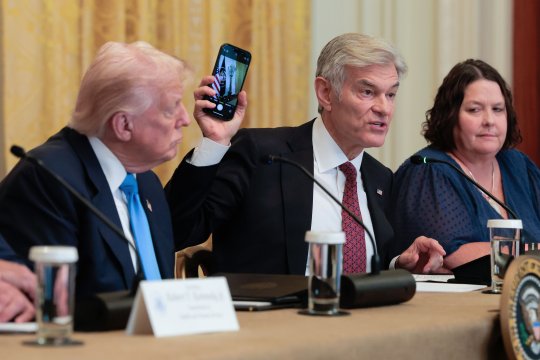
With the 2026 midterms about a month away, health care costs remain tied with gas as voters’ top midterm concerns and the Democrats hold a clear edge over the Republicans Party on who voters trust to handle many top electoral issues, including the cost of health care and the cost of living. Two-thirds of U.S. adults now favor Medicare-for-all, a new high in KFF Polling, but support shifts when competing claims from critics and proponents are heard.
RSVP for Virtual Event

Event Date:
Event

RSVP for a virtual event featuring KFF public opinion experts providing insights on the latest polling about health care issues in advance of the midterms, including current public sentiment about Medicare-for-All. After the presentation, experts will take questions from attendees.

KFF/AP Survey of RURAL VOTERS

Health Information and Trust

Dashboard: Polling on Health Information and Trust

Drawing on KFF’s poll findings, this interactive dashboard tracks the public’s trusted sources for health information, attitudes toward vaccines, and use of news, social media, and AI for health-related information.

Health Tracking PollS

Mifepristone and the Midterms

Amid an ongoing FDA re-review of mifepristone, awareness of the safety and prevalence of the abortion pill remains limited. This KFF poll also finds that the voters who say abortion policy is an important issue for 2026 midterm candidates to discuss are disproportionately Democrats.

Ebola Response and Pandemic Preparedness

Much of the public has yet to form an opinion on the U.S. government’s response to the Ebola outbreak in the Democratic Republic of the Congo, this poll finds. Four in ten adults say the U.S. is less prepared for a pandemic now than it was in 2020.

Most Democratic Voters Want To Hear Candidates Discuss Health Costs and Future of Health Programs; More Republicans Focused on Fraud

Public Views on Fraud in Government Health Programs

As the 2026 midterms approach, health care costs remain voters’ top health priority, but fraud in government health programs, including Medicaid and Medicare, is resonating with Republican voters, 55% of whom say it’s extremely important for candidates to address.

MAHA and the Midterms

This KFF Health Tracking Poll finds that the cost of health care is a more prominent focus for Make America Healthy Again (MAHA) voters than issues like food and vaccine policy. Four in ten MAHA voters (42%) choose lowering health costs as the most important health priority, outranking other MAHA priorities.

the essentials

Health Tracking Poll

Our signature survey project provides up-to-date data on the public’s health care views, knowledge, and experiences.

Tracking the Public’s Views on the ACA

Tracking the Public’s Views on the ACA

This interactive tool tracks public opinion on the Affordable Care Act, from the inception of the law to the present, including trends based on party identification, income, age, gender, and race/ethnicity.

Health Information and Trust Tracking Poll

The Health Information and Trust Tracking Poll is part of KFF’s Health Information and Trust Initiative, which tracks health misinformation and analyzes its impact on the public.

Stay informed.

Stay informed.

Filter

141-150 of 1,864 results

  • KFF Tracking Poll on Health Information and Trust: Bird Flu

    Feature

    As bird flu continues to spread among animals in the U.S., KFF's Tracking Poll on Health Information and Trust finds that the public is more concerned about its impact on food prices than potential health impacts. Trust in the CDC to provide information on bird flu is also divided along partisan lines, and a large share of the public is uncertain about public health agencies' recommendations for preventing infection.

  • KFF Health Tracking Poll February 2025: The Public’s Views on Potential Changes to Medicaid

    Feature

    Amid discussion of changes to the Medicaid program, most of the public say that Medicaid is important to their local communities. About two in ten favor cuts to Medicaid spending. Support for Medicaid cuts remain low even among typically conservative groups such as Republicans, Trump voters, and those living in rural communities. The poll also gauges the impact of arguments for and against Medicaid work requirements and reductions to federal spending on ACA expansion.

  • Poll: With More Than Half the Public Saying They or a Family Member Have Been Covered by Medicaid, Large Majorities Don’t Want Cuts, Including Most Trump Voters and Rural Residents

    News Release

    As Congress considers changes to the Medicaid program as part of the budget debate, relatively few (17%) in the public say they want to see a reduction in Medicaid spending, with larger shares saying they want spending to stay about the same (40%) or increase (42%), a new KFF Health Tracking Poll finds. Support for Medicaid spending cuts is relatively low even among traditionally conservative groups, including Republicans (33% favor cuts), people who voted for…

  • Poll: Two Thirds Believe Dissolving USAID Will Lead to More Illness and Death Globally, While Nearly Half Say It Would Significantly Reduce the Budget Deficit and Fund Domestic Programs

    News Release

    As the Trump administration works to dissolve the U.S. Agency for International Development (USAID), a new KFF poll finds that two-thirds (67%) of the public believe these actions will increase illness and death in low-income countries, and a similar majority (62%) believe it will result in more humanitarian crises around the world.At the same time, nearly half of the public believe the dissolution of USAID will significantly reduce the U.S. budget deficit (47%) and allow…

  • KFF Health Tracking Poll February 2025: The Public’s Views on Global Health and USAID

    Feature

    This poll finds most of the public believe the cutbacks at USAID will lead to increases in illness and death in low-income countries. Nearly half say it will reduce the U.S. budget. Most of the public also overestimates the share of the federal budget that is spent on foreign aid, and when informed it is about 1% of the federal budget, the share who want to reduce spending drops.

  • This quote card is a quote from Josh Michaud that reads, "Given the current trends and embrace of vaccine skepticism on the part of the administration, and potential changes to federal policy around childhood vaccines, we might continue to witness more and longer outbreaks of preventable disease—and just maybe lose our measles elimination status, which as a country we’ve had for 25 years."

    U.S. Measles Outbreaks: A New Abnormal in a Time of Vaccine Hesitancy

    Quick Insights

    Given the current trends and embrace of vaccine skepticism on the part of the administration, and potential changes to federal policy around childhood vaccines, we might continue to witness more and longer outbreaks of preventable disease — and just maybe lose our measles elimination status, which as a country we’ve had for 25 years.

  • Skepticism Surrounding ADHD Diagnoses and Medication — The Monitor

    Feature

    This volume examines the impact of recent executive actions on federal health communication, along with concerns and stigmas surrounding ADHD diagnoses and treatments, including skepticism about pharmaceutical influence on medication promotion. It also explores distrust in food regulations following the FDA’s ban on Red Dye No. 3.

  • KFF Prescription Drug Advertisements Poll: January 2025

    Poll Finding

    KFF’s January 2025 Prescription Drug Advertisements Poll looks at the public's experiences with prescription drug advertisements, whether they've talked to a doctor about advertised drugs, and how this has influenced the care they receive.

  • Skepticism About Vaccines and Response to Bird Flu — The Monitor

    Feature

    This volume shares findings from the latest KFF Tracking Poll on Health Information and Trust, along with updates from Robert Kennedy Jr’s senate hearings. It also examines distrust in public health messaging about bird flu, motivations for sharing information online, and how fraudulent research can sometimes inform AI chatbot models.