Public Opinion

HeaLTH COSTS

Democrats Hold a Nearly 2-to-1 Advantage Over Republicans on Handling the Cost of Health Care

KFF Health Tracking Poll: Health Care Issues in the Lead-Up to the 2026 Midterm Election 

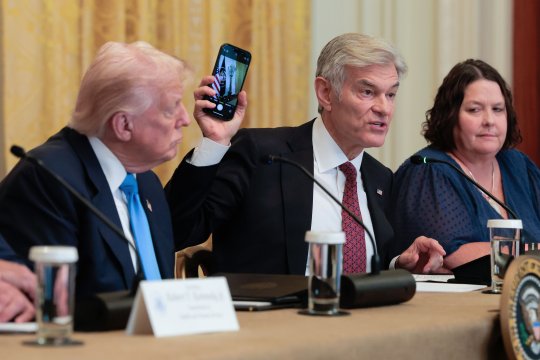
With the 2026 midterms about a month away, health care costs remain tied with gas as voters’ top midterm concerns and the Democrats hold a clear edge over the Republicans Party on who voters trust to handle many top electoral issues, including the cost of health care and the cost of living. Two-thirds of U.S. adults now favor Medicare-for-all, a new high in KFF Polling, but support shifts when competing claims from critics and proponents are heard.
RSVP for Virtual Event

Event Date:
Event

RSVP for a virtual event featuring KFF public opinion experts providing insights on the latest polling about health care issues in advance of the midterms, including current public sentiment about Medicare-for-All. After the presentation, experts will take questions from attendees.

KFF/AP Survey of RURAL VOTERS

Health Information and Trust

Dashboard: Polling on Health Information and Trust

Drawing on KFF’s poll findings, this interactive dashboard tracks the public’s trusted sources for health information, attitudes toward vaccines, and use of news, social media, and AI for health-related information.

Health Tracking PollS

Mifepristone and the Midterms

Amid an ongoing FDA re-review of mifepristone, awareness of the safety and prevalence of the abortion pill remains limited. This KFF poll also finds that the voters who say abortion policy is an important issue for 2026 midterm candidates to discuss are disproportionately Democrats.

Ebola Response and Pandemic Preparedness

Much of the public has yet to form an opinion on the U.S. government’s response to the Ebola outbreak in the Democratic Republic of the Congo, this poll finds. Four in ten adults say the U.S. is less prepared for a pandemic now than it was in 2020.

Most Democratic Voters Want To Hear Candidates Discuss Health Costs and Future of Health Programs; More Republicans Focused on Fraud

Public Views on Fraud in Government Health Programs

As the 2026 midterms approach, health care costs remain voters’ top health priority, but fraud in government health programs, including Medicaid and Medicare, is resonating with Republican voters, 55% of whom say it’s extremely important for candidates to address.

MAHA and the Midterms

This KFF Health Tracking Poll finds that the cost of health care is a more prominent focus for Make America Healthy Again (MAHA) voters than issues like food and vaccine policy. Four in ten MAHA voters (42%) choose lowering health costs as the most important health priority, outranking other MAHA priorities.

the essentials

Health Tracking Poll

Our signature survey project provides up-to-date data on the public’s health care views, knowledge, and experiences.

Tracking the Public’s Views on the ACA

Tracking the Public’s Views on the ACA

This interactive tool tracks public opinion on the Affordable Care Act, from the inception of the law to the present, including trends based on party identification, income, age, gender, and race/ethnicity.

Health Information and Trust Tracking Poll

The Health Information and Trust Tracking Poll is part of KFF’s Health Information and Trust Initiative, which tracks health misinformation and analyzes its impact on the public.

Stay informed.

Stay informed.

Filter

1,321-1,330 of 1,864 results

  • New Report from a 47 Country Survey Examines Global Perceptions of Health Problems, Priorities and Donors

    Poll Finding

    Embargoed for release until:December 13, 2007 For further information contact: Rob Graham, KFF, (650) 854-9400, rgraham@kff.orgKate Schoen, KFF, (650) 854-9400, kschoen@kff.orgRichard Auxier, Pew, (202) 419-4332, rauxier@pewresearch.org In recent years, wealthy countries, multinational organizations, and philanthropies have increasingly mobilized to address global health issues such as the spread of HIV/AIDS and other diseases. To help inform these efforts, the Kaiser Family Foundation and the Pew Global Attitudes Project today released findings from their new report from…

  • NPR/Kaiser/Harvard Survey — Children’s OTC Cold Medicines: The Public, and Parents, Weigh In

    Poll Finding

    This survey from NPR, the Kaiser Family Foundation, and the Harvard School of Public Health examines the public’s views of over-the-counter children’s cold and cough medications in the wake of recent concerns regarding their safety and effectiveness. The poll was conducted after an FDA advisory panel recommended that children under the age of six not be given these medicines. Reflecting the lack of formal consensus on the issue among government and outside experts, the survey…

  • A Global Look at Public Perceptions of Health Problems, Priorities, and Donors: The Kaiser/Pew Global Health Survey

    Poll Finding

    This survey, conducted jointly by the Kaiser Family Foundation and the Pew Global Attitudes Project, examines how people around the world perceive and prioritize health in their countries and gauge the efforts of donor nations. People in 47 countries were polled on a series of health questions, giving them an opportunity to share their views on health as a priority for their government and in their own lives. Specifically, the survey looks at what people…

  • NPR/Kaiser/Harvard Survey – Children’s OTC Cold Medicines: The Public, and Parents, Weigh In: Summary and Chartpack

    Poll Finding

    This summary and chartpack provides an overview of the results of a November 2007 survey conducted jointly by NPR, the Kaiser Family Foundation, and the Harvard School of Public Health on the public’s views of over-the-counter children’s cold and cough medications in the wake of recent concerns regarding their safety and effectiveness. A nationally representative sample of 1,522 adults, including an oversample of parents with young children, participated in telephone interviews from Nov. 15-25. The…

  • NPR/Kaiser/Harvard Survey – Children’s OTC Cold Medicines: The Public, and Parents, Weigh In: Toplines

    Poll Finding

    These toplines present detailed survey results from a November 2007 survey conducted jointly by NPR, the Kaiser Family Foundation, and the Harvard School of Public Health on the public’s views of over-the-counter children’s cold and cough medications in the wake of recent concerns regarding their safety and effectiveness. A nationally representative sample of 1,522 adults, including an oversample of parents with young children, participated in telephone interviews from Nov. 15-25. The margin of sampling error…

  • Views about the Quality of Long-Term Care Services in the United States – Chartpack

    Poll Finding

    The Nursing Home Reform Law, part of the Omnibus Reconciliation Act of 1987 (OBRA ’87), was passed twenty years ago with hopes of improving the quality of nursing homes throughout the United States. Today, however, there are still concerns about the progress that has been achieved since this legislation and the overall quality of long-term care. This chartpack presents the key findings from the survey Update on the Public’s Views of Nursing Homes and Long-Term…

  • Update on the Public’s Views of Nursing Homes and Long-Term Care Services — Toplines

    Poll Finding

    Update on the Public’s Views of Nursing Homes and Long-Term Care Services – Toplines The Nursing Home Reform Law, part of the Omnibus Reconciliation Act of 1987 (OBRA ’87), was passed twenty years ago with hopes of improving the quality of nursing homes throughout the United States. Today, however, there are still concerns about the progress that has been achieved since this legislation and the overall quality of long-term care. These toplines present the detailed…

  • Key Findings: Kaiser Health Tracking Poll: Election 2008 – October 2007

    Poll Finding

    This document presents key findings from the October 2007 Kaiser Health Tracking Poll: Election 2008, which tracks changes in the saliency of health as a political and policy priority, what the public’s priorities are for a health reform plan and whether any candidates are breaking through with the public with their health reform plans  Key Findings (.pdf)

  • Kaiser Health Tracking Poll: Election 2008 – October 2007

    Poll Finding

    This October 2007 tracking poll finds health care ranks second behind Iraq as an issue that the public wants the candidates to talk about.  The rankings hold not only for Democrats and independents, but also for Republicans. When asked to name the two issues that they want to hear the presidential candidates talk about, people overall are most likely to name Iraq (44 percent), followed by health care (38 percent), the economy (18 percent) and…