Health Costs

The MIDTERMS

Democrats Hold a Nearly 2-to-1 Advantage Over Republicans on Handling the Cost of Health Care

Poll: Cost of Health Care and Gas Top Voters’ Midterm Concerns; Democrats Hold Significant Advantage on Health Care Costs and Cost of Living 

With the 2026 midterms about a month away, health care costs remain tied with gas as voters’ top midterm concerns and the Democrats hold a clear edge over the Republicans Party on who voters trust to handle many top electoral issues, including the cost of health care and the cost of living. Two-thirds of U.S. adults now favor Medicare-for-all, a new high in KFF Polling, but support shifts when competing claims from critics and proponents are heard.


New and noteworthy

Americans’ Challenges with Health Care Costs

This data note reviews our recent polling data that finds that many Americans struggle to afford many aspects of health care, including disproportionate shares of uninsured adults, Black and Hispanic adults and those with lower incomes.

Health System Tracker

U.S. Health Spending Is Expected to Reach $9 Trillion by 2034

How Much is Health Spending Expected to Grow?

This chart collection explores how much health spending is expected to grow in the coming years, with a look at growth in prescription drug spending, out-of-pocket spending, and related trends.

Is This A Healthcare Economy?

Health care employment has grown faster than other sectors of the economy, with jobs in physician offices, hospitals, outpatient care centers, home health, and other settings increasing over the past year even as the rest of the job market plateaued. 

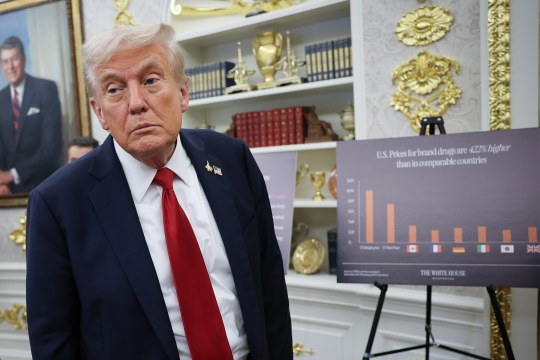
How TrumpRx Brand-Name Drug Prices Compare

TrumpRx prices for brand-name drugs are about as likely to be higher as lower compared to average prices in other wealthy countries, according to an analysis that compares 32 brand-name drugs.

Stay informed.

Stay informed.

Filter

51-60 of 1,623 results

  • There Are Many MAHAs

    From Drew Altman

    In a new column, Dr. Drew Altman, Founding President and CEO, dissects the MAHA “movement.” He writes: “There appear to be many MAHAs, not one. You can care about pesticides, or food additives, or vaccines, or child health, or corporate influence, or all of the above, to varying degrees. The reason so many Americans say they support MAHA when asked in polls is that, like a restaurant with a large menu, there is something in…

  • KFF Health Tracking Poll: MAHA and the Midterms

    Poll Finding

    This KFF Health Tracking Poll finds that the cost of health care is a more prominent focus for Make America Healthy Again (MAHA) voters than issues like food and vaccine policy. Four in ten MAHA voters (42%) choose lowering health costs as the most important health priority, outranking other MAHA priorities.

  • Reaching Voters on Health

    From Drew Altman

    What do voters want to see most on health from candidates? A plan? That they feel their pain? In a new column, Dr. Drew Altman, Founding President and CEO, discusses findings from a new KFF poll and writes: “Voters say what matters most to them is to see candidates show some 'fight' by taking on drug and insurance companies they have come to see as villains."

  • KFF Health Tracking Poll: Health Care Costs and the Midterms

    Poll Finding

    This KFF poll finds that health care costs continue to top the public’s list of affordability worries, even as concerns about gas prices have risen in recent weeks, with two-thirds of the public expressing worry over affording health care costs.

  • Poll: The Cost of Health Care Remains at the Top of the Public’s List of Economic Concerns, Even as Concerns About Gas Prices Climb

    News Release

    Health care costs continue to top the public’s list of economic anxieties, even as fuel prices and economic uncertainty rose following the start of the Iran war, a new KFF Health Tracking poll finds. Nearly two-thirds (64%) of U.S. adults are worried about being able to afford health care costs, including three in ten who say they are “very worried.” The same share (64%) are worried about gasoline or other transportation costs, up from about…

  • CMS Extends Medicare’s Short-Term Bridge Program for GLP-1 Obesity Drug Coverage

    Quick Insights

    Extending the short-term GLP-1 Bridge program is good news for eligible Medicare beneficiaries because it provides the certainty of obesity drug coverage at a $50 copay for a longer duration, but federal spending will also rise by some unknown amount since CMS hasn’t disclosed the projected cost.