Racial Equity and Health Policy

the Essentials
  • How Experiencing Racial Discrimination Impacts Health

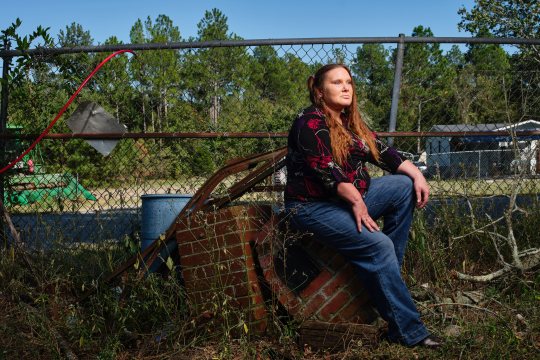
    This brief highlights research examining mechanisms underlying health outcomes linked to self-reported experiences of racial discrimination, including biological changes, chronic stress, mental health, substance use, pregnancy-related outcomes, and sleep.
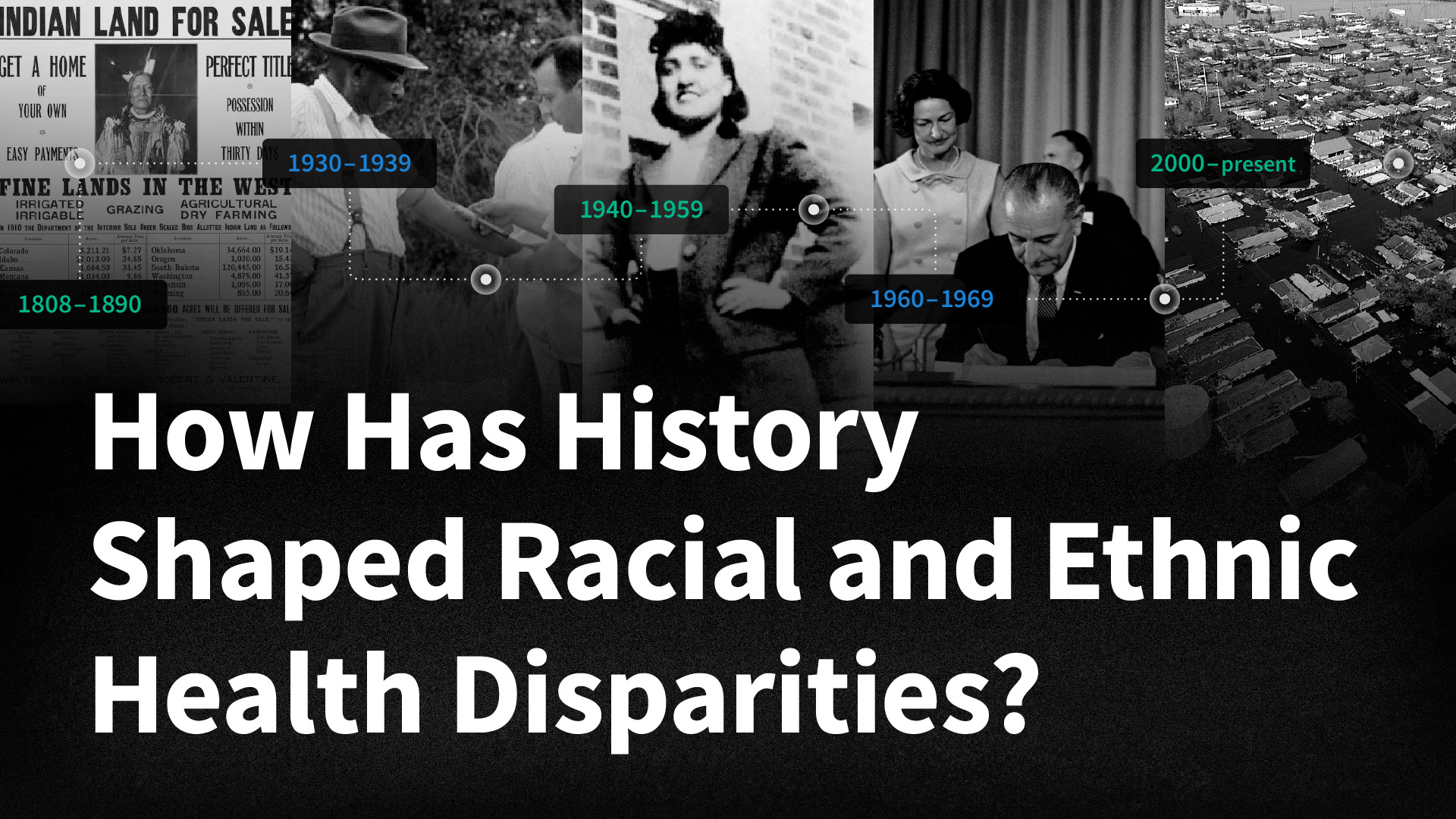
  • Timeline: How History Has Shaped Racial and Ethnic Health Disparities

    This timeline offers a historical view of significant U.S. federal policies and events spanning the early 1800s to today that have influenced present-day health disparities.
  • Health Policy 101: Chapter on Race, Inequality and Health

    Addressing persistent racial and ethnic disparities in health and health care is important for improving the nation’s health and economic prosperity. KFF explains such disparities and the factors that drive them, examines the actions to address them, and outlines future considerations.
  • Key Data on Health and Health Care by Race and Ethnicity

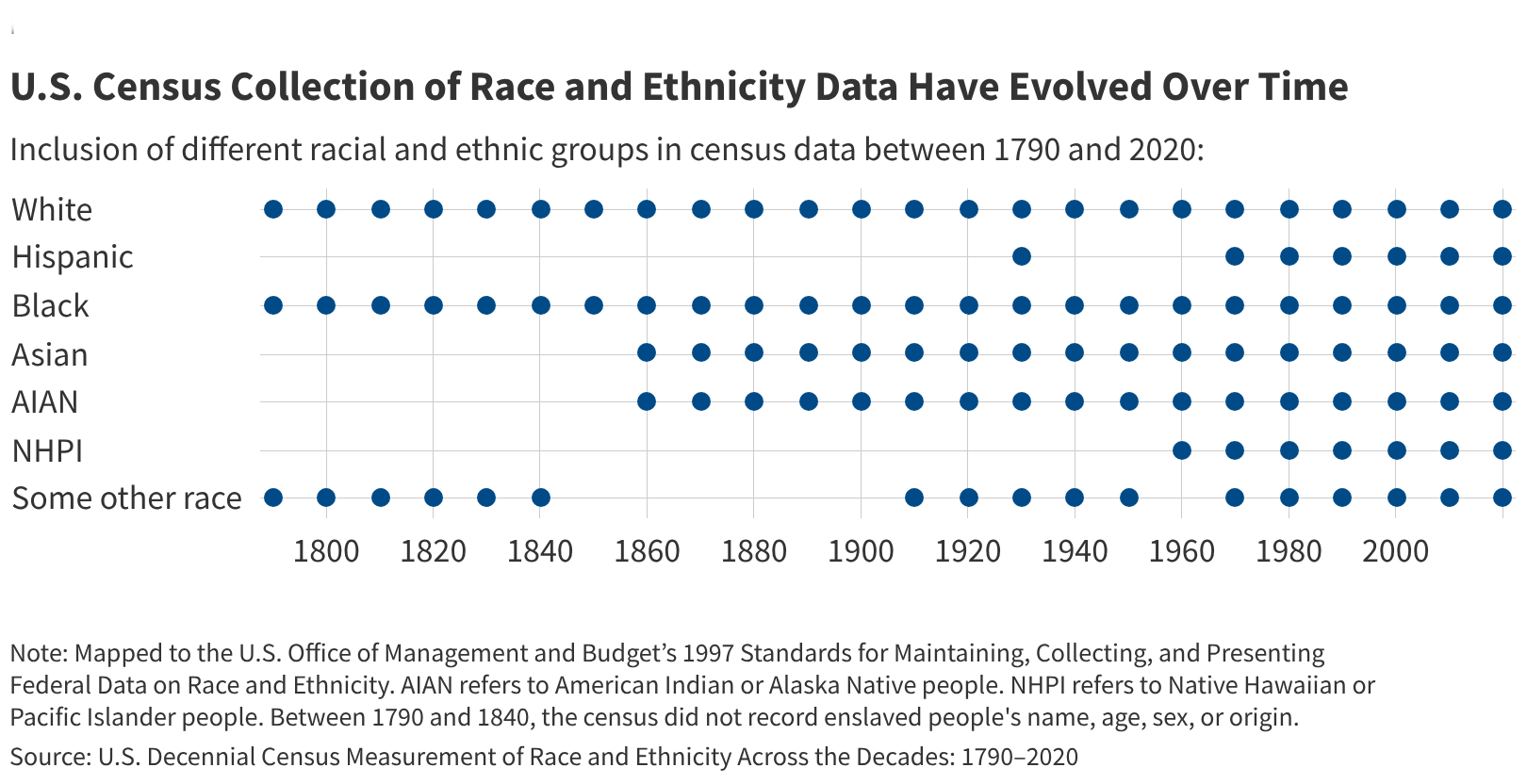
    Racial and ethnic disparities in health and health care remain a persistent challenge in the United States. An updated KFF resource examines how people of color fare compared to White people across 64 measures of health, health care, and social determinants of health.

Survey of Immigrants

KFF-New York Times Survey: Immigrants Report Rising Fear, Negative Economic and Health Impacts, and Changing Political Views During the First Year of President Trump’s Second Term

The 2025 Survey of Immigrants, a partnership between KFF and The New York Times, takes an in-depth look at the experiences of immigrants during the first year of President Trump’s second term, including their worries related to increased immigration enforcement, their health and economic wellbeing, and the political views and preferences of immigrant voters. The survey paints a portrait of families under strain — where fear of detention and economic instability are negatively impacting immigrants’ health and reshaping immigrant families’ daily lives and views of U.S. political parties.

Read the News Release | Explore The New York Times’ Reporting
Stay informed.

Stay informed.

Filter

581 - 590 of 602 Results

  • Early COVID-19 Vaccination Efforts Through Community Health Centers Are Reaching People of Color

    News Release

    More than half of those who received their first dose of a COVID-19 vaccine through a community health center were people of color, suggesting that health centers appear to be doing a better job of reaching people of color than are overall vaccination efforts, finds a new KFF analysis. People of color accounted for 54 percent of people who got their first dose of the vaccine through a health center, the analysis finds, including 26 percent…

  • Addressing the Justice-Involved Population in Coronavirus Response Efforts

    Issue Brief

    Addressing health care needs of people moving into and out of the criminal justice system and staff who work them is an important component of coronavirus response efforts and protecting and promoting public health within the communities in which correctional facilities are located. This brief provides data on spread of coronavirus within correctional facilities, discusses the health risks for the justice-involved population and the staff who work with them, identifies the role Medicaid can play…

  • Monkeypox (MPX) Cases and Vaccinations by Race/Ethnicity

    Issue Brief

    A small number of states, as well as some local jurisdictions, are reporting race/ethnicity data on MPX cases and vaccinations and these data show a disproportionate impact of MPX cases on Black and Hispanic people. The data available to date on vaccinations also suggest that Black and Hispanic people are receiving smaller shares of vaccinations despite accounting for larger shares of cases.

  • Understanding and Addressing Racial Disparities in Cancer Outcomes, Care, and Treatment

    Event Date:
    Event

    KFF and the American Society of Clinical Oncology (ASCO) hosted a web event on February 3, 2022 featuring oncologists, patient advocates, and policy researchers with expertise in equity and cancer care to examine persistent racial disparities in cancer. Expert panelists shared real-life experiences, provided context on the latest data, and discussed a range of actions which could help ensure that all individuals with cancer receive the highest quality, equitable cancer care and help to eliminate…

  • Unwinding of the PHE: Maintaining Medicaid for People with Limited English Proficiency

    Issue Brief

    Provisions in the Families First Coronavirus Response Act (FFCRA) require states to maintain continuous Medicaid enrollment for enrollees until the end of the month when the COVID-19 public health emergency (PHE) ends. When the continuous enrollment requirements end and states resume redeterminations and disenrollments, individuals with LEP may be at increased risk of losing Medicaid coverage or experiencing a gap in coverage due to barriers completing these processes, even if they remain eligible for coverage.

  • Climate Change and Health Equity: Key Questions and Answers

    Issue Brief

    While climate change poses health threats for everyone, people of color, low-income people, and other marginalized or high-need groups face disproportionate risks due to underlying inequities and structural racism and discrimination.

  • 4 Key Q&As About the Impact of Climate Change on Health Equity

    News Release

    While climate change effects ripple across the world and all populations, it is poised to disproportionately affect people of color, low-income communities, immigrants, and other high-need groups. Many of these groups have historically been exposed to climate hazards due to government policies and discriminatory practices that leave them more vulnerable to adverse climate events like record-breaking heat, wildfires, coastal flooding, and the spread of infectious diseases. A new KFF brief looks at key questions about…