Racial Equity and Health Policy

the Essentials
  • Health Coverage by Race and Ethnicity, 2010-2024

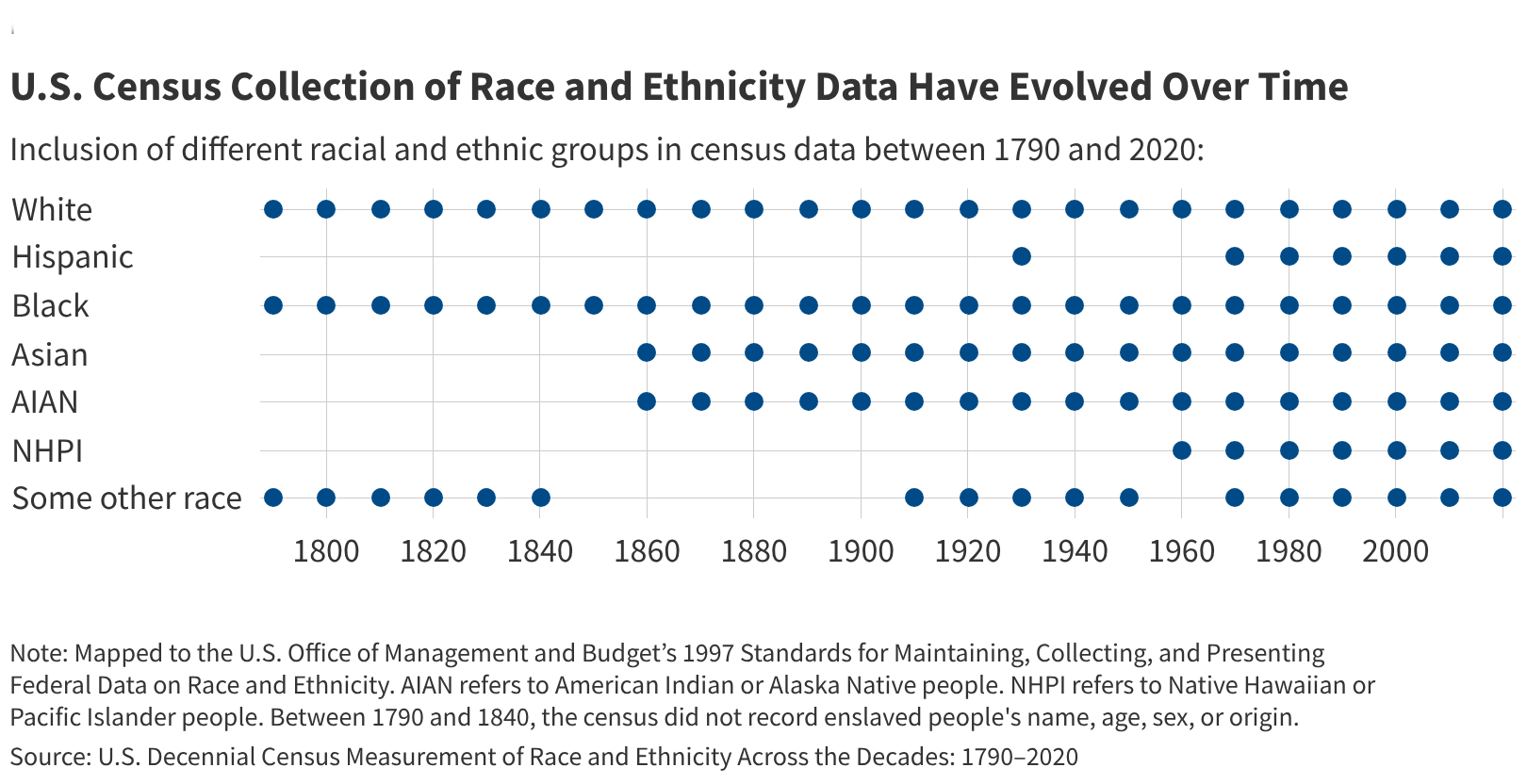
    There have been longstanding racial and ethnic disparities in health coverage that contribute to disparities in health. This brief examines trends in health coverage by race and ethnicity from 2010 through 2024 and discusses the implications for such disparities.
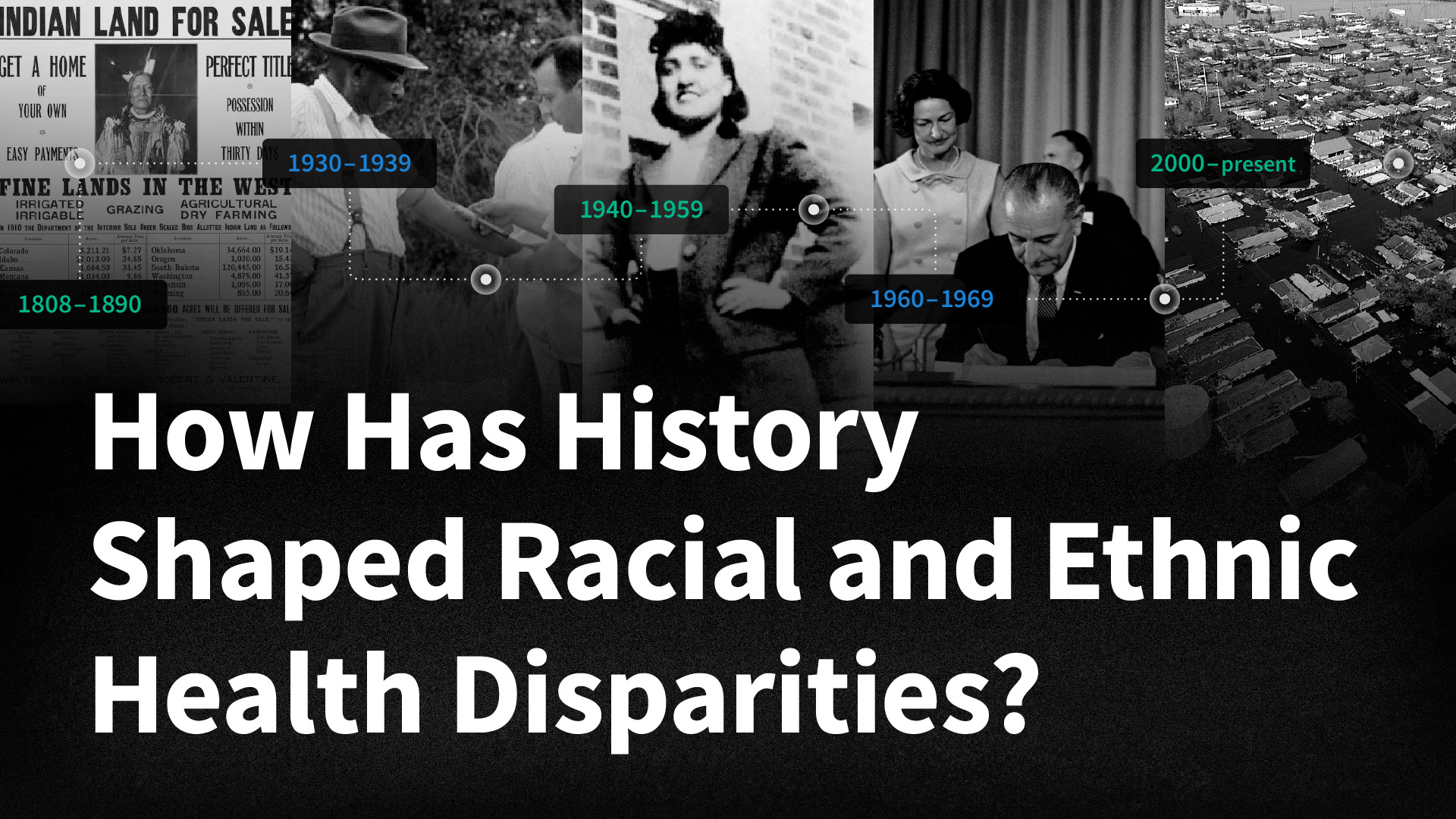
  • Timeline: How History Has Shaped Racial and Ethnic Health Disparities

    This timeline offers a historical view of significant U.S. federal policies and events spanning the early 1800s to today that have influenced present-day health disparities.
  • Health Policy 101: Chapter on Race, Inequality and Health

    Addressing persistent racial and ethnic disparities in health and health care is important for improving the nation’s health and economic prosperity. KFF explains such disparities and the factors that drive them, examines the actions to address them, and outlines future considerations.
  • Key Data on Health and Health Care by Race and Ethnicity

    Racial and ethnic disparities in health and health care remain a persistent challenge in the United States. An updated KFF resource examines how people of color fare compared to White people across 64 measures of health, health care, and social determinants of health.

Survey of Immigrants

KFF-New York Times Survey: Immigrants Report Rising Fear, Negative Economic and Health Impacts, and Changing Political Views During the First Year of President Trump’s Second Term

The 2025 Survey of Immigrants, a partnership between KFF and The New York Times, takes an in-depth look at the experiences of immigrants during the first year of President Trump’s second term, including their worries related to increased immigration enforcement, their health and economic wellbeing, and the political views and preferences of immigrant voters. The survey paints a portrait of families under strain — where fear of detention and economic instability are negatively impacting immigrants’ health and reshaping immigrant families’ daily lives and views of U.S. political parties.

Read the News Release | Explore The New York Times’ Reporting
Subscribe to KFF Emails

Choose which emails are best for you.
Sign up here

Filter

511 - 520 of 602 Results

  • HIV/AIDS in Georgia

    Report

    Two reports - "Survey of Georgia Residents on HIV/AIDS" and "Georgia's Minority Health and Health Disparities Report - Facing a Crisis" - show the disproportionate impact HIV is having on minorities in Georgia, and important differences in how minorities view HIV/AIDS compared to whites. The reports were released at a November 30, 2004 briefing held by the National Center for Primary Care (NCPC) at the Morehouse School of Medicine in partnership with the Kaiser Family…

  • Health Care and the 2004 Elections: Race, Ethnicity and Health Care

    Issue Brief

    Race, Ethnicity and Health Care Download a printable .pdf of Health Care and the 2004 Elections: Race, Ethnicity and Health Care. IssueBackgroundRaising Public and Provider Awareness Expanding Health CoverageImproving the Number and Capacity of Providers in Underserved CommunitiesIncreasing the Knowledge BaseAssessing Candidate PositionsIssue Racial and ethnic disparities in health care – whether in insurance coverage, access, or quality of care – are one of many factors producing inequalities in health status in the United States.1…

  • Health Care and the 2004 Elections

    Other Post

    ** Update: For information on health care and the 2008 election, visit www.health08.org. ** Health care issues continue to be important for many Americans and a vital part of the policy debates in Washington and around the country. During an election season, candidates propose and debate their solutions for the pressing policy issues facing their constituents. The 2004 election season is no different and the Kaiser Family Foundation is issuing informational materials on some of…

  • Immigrants and Health Coverage:  A Primer

    Issue Brief

    Immigrants and Health Coverage: A Primer A major challenge facing many immigrants is lack of health insurance coverage. This primer provides an introduction to some of the questions surrounding immigrants and health insurance coverage. Issue Brief (.pdf)

  • Survey of Americans on HIV/AIDS — Part Three: Experiences and Opinions by Race/Ethnicity and Age

    Poll Finding

    These findings are the third part of a national survey of Americans’ views on HIV/AIDS, “Survey of Americans on HIV/AIDS,” conducted in spring 2004. It explores the views and experiences of, as well as the key differences among, African Americans, Latinos, Whites, and young people. The first part of the survey, on global HIV/AIDS, was released on June 2, 2004. The second part of the survey, on HIV Testing, was released on June 15, 2004.…

  • Survey of Americans on HIV/AIDS – Part Three: Experiences and Opinions by Race/Ethnicity and Age Summary and Chartpack

    Poll Finding

    These findings are the third part of a national survey of Americans’ views on HIV/AIDS, “Survey of Americans on HIV/AIDS,” conducted in spring 2004. It explores the views and experiences of, as well as the key differences among, African Americans, Latinos, Whites, and young people. The first part of the survey, on global HIV/AIDS, was released on June 2, 2004. The second part of the survey, on HIV Testing, was released on June 15, 2004.…

  • Survey of Americans on HIV/AIDs – Part Three: Experiences and Opinions by Race/Ethnicity and Age: Toplines

    Poll Finding

    These findings are the third part of a national survey of Americans’ views on HIV/AIDS, “Survey of Americans on HIV/AIDS,” conducted in spring 2004. It explores the views and experiences of, as well as the key differences among, African Americans, Latinos, Whites, and young people. The first part of the survey, on global HIV/AIDS, was released on June 2, 2004. The second part of the survey, on HIV Testing, was released on June 15, 2004.…

  • Policy Brief: Minority AIDS Initiative

    Issue Brief

    The Minority AIDS Initiative (MAI) was created in 1998 by the U.S. government to respond to growing concern about the impact of HIV/AIDS on racial and ethnic minorities. It provides funding to strengthen organizational capacity and expand HIV-related services in minority communities. This new policy brief provides an overview of the MAI, including a discussion of its creation, goals, administration, and funding history, and a summary of current issues and challenges based on interviews with…

  • National Survey of Latinos: Politics and Civic Participation, Toplines

    Poll Finding

    These include topline findings from a comprehensive survey that assesses Latino attitudes in the 2004 election year. The third annual survey of Latinos from the Pew Hispanic Center and the Kaiser Family Foundation, the new survey examines political issues and the presidential election campaign, the economy, health care, Iraq and immigration. Survey Toplines (.pdf)

  • 2004 National Survey of Latinos: Politics and Civic Participation

    Poll Finding

    This comprehensive survey assesses Latino attitudes in the 2004 election year. The third annual survey of Latinos from the Pew Hispanic Center and the Kaiser Family Foundation, the new survey examines political issues and the presidential election campaign, the economy, health care, Iraq and immigration. News Release Chartpack/Summary of Findings Toplines Election Survey (.pdf) The survey was released at a July 22, 2004 briefing. Agenda (.pdf) Speaker Biographies (.pdf) Event Transcript (.pdf)