Racial Equity and Health Policy

the Essentials
  • How Experiencing Racial Discrimination Impacts Health

    This brief highlights research examining mechanisms underlying health outcomes linked to self-reported experiences of racial discrimination, including biological changes, chronic stress, mental health, substance use, pregnancy-related outcomes, and sleep.
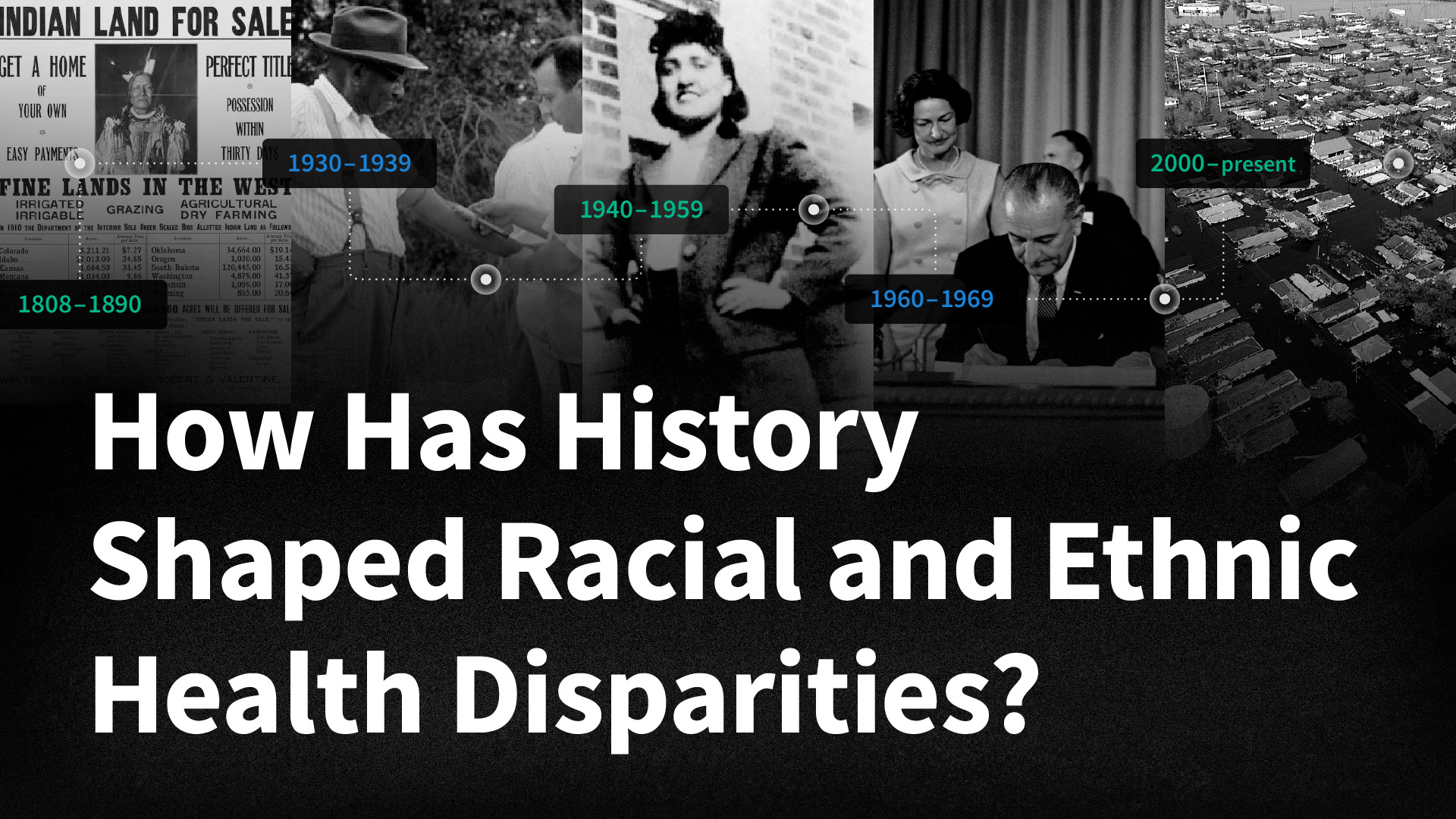
  • Timeline: How History Has Shaped Racial and Ethnic Health Disparities

    This timeline offers a historical view of significant U.S. federal policies and events spanning the early 1800s to today that have influenced present-day health disparities.
  • Health Policy 101: Chapter on Race, Inequality and Health

    Addressing persistent racial and ethnic disparities in health and health care is important for improving the nation’s health and economic prosperity. KFF explains such disparities and the factors that drive them, examines the actions to address them, and outlines future considerations.
  • Key Data on Health and Health Care by Race and Ethnicity

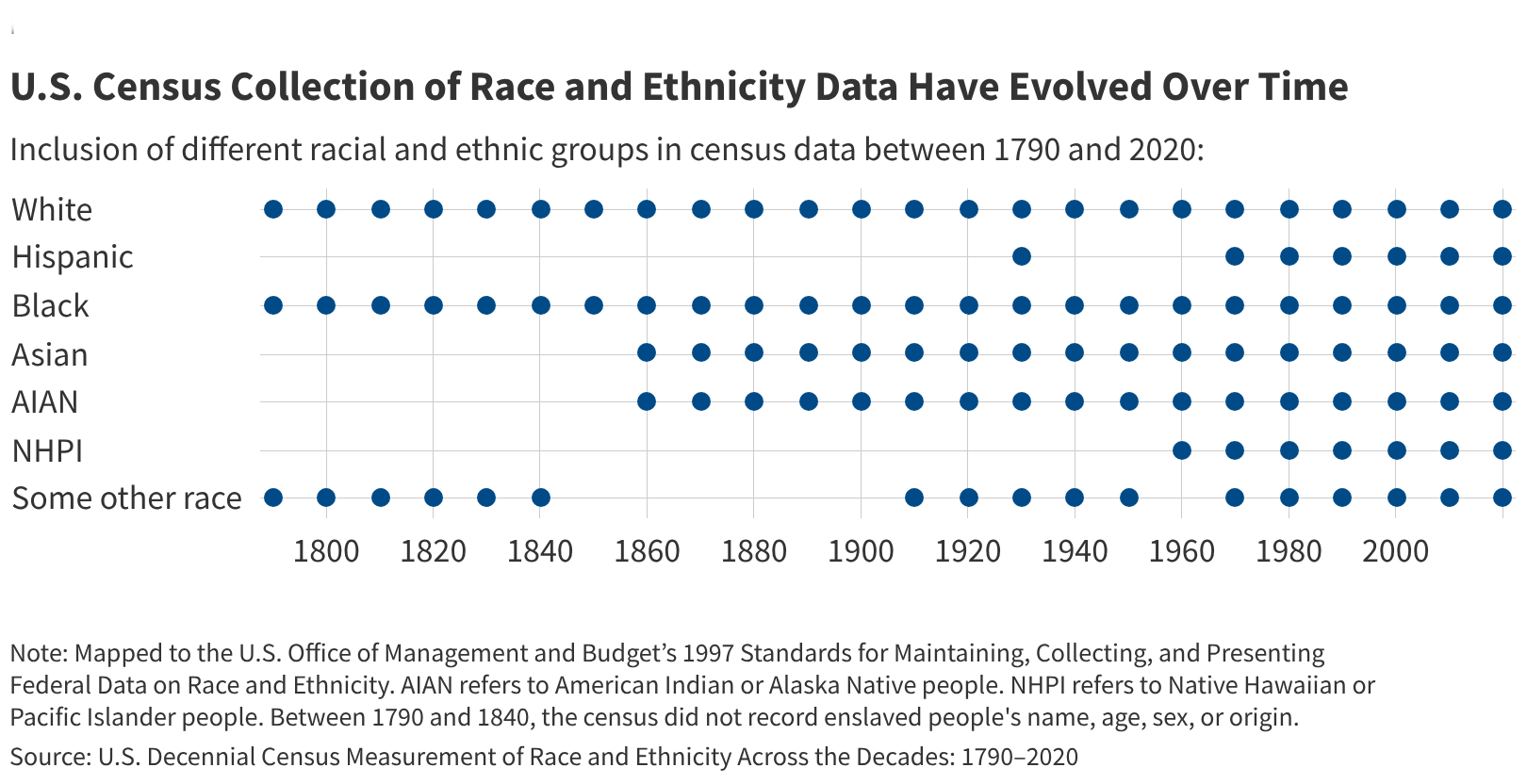
    Racial and ethnic disparities in health and health care remain a persistent challenge in the United States. An updated KFF resource examines how people of color fare compared to White people across 64 measures of health, health care, and social determinants of health.

Survey of Immigrants

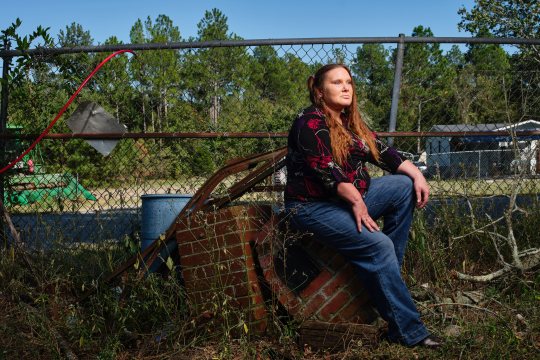
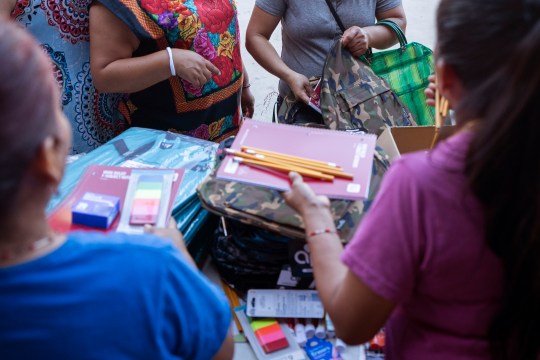
KFF-New York Times Survey: Immigrants Report Rising Fear, Negative Economic and Health Impacts, and Changing Political Views During the First Year of President Trump’s Second Term

The 2025 Survey of Immigrants, a partnership between KFF and The New York Times, takes an in-depth look at the experiences of immigrants during the first year of President Trump’s second term, including their worries related to increased immigration enforcement, their health and economic wellbeing, and the political views and preferences of immigrant voters. The survey paints a portrait of families under strain — where fear of detention and economic instability are negatively impacting immigrants’ health and reshaping immigrant families’ daily lives and views of U.S. political parties.

Read the News Release | Explore The New York Times’ Reporting
Stay informed.

Stay informed.

Filter

281-290 of 607 results

  • Racial Disparities in Flu Vaccination: Implications for COVID-19 Vaccination Efforts

    Policy Watch

    With planning beginning for an eventual COVID-19 vaccine, one important consideration is making sure that distribution processes and outreach and communication strategies reach people of color. Analysis of seasonal flu vaccination rates provides some insight into the potential barriers and issues to be addressed as part of COVID-19 vaccination efforts.

  • From the Federal Response to COVID-19 to Ongoing Efforts to Repeal the ACA and Proposals for Lowering Drug Prices, President Trump Has an Extensive Record on Health Care

    News Release

    Since taking office in 2017, President Trump has laid down an extensive record on health care, including his response to the COVID-19 pandemic, his early and ongoing efforts to repeal and replace the Affordable Care Act, his annual budget proposals to curb spending on Medicare and Medicaid, his executive orders and other proposals to lower prescription drug prices, and his initiative on hospital price transparency. President Trump’s record on health care provides a window into…

  • President Trump’s Record on Health Care

    Issue Brief

    This issue brief provides a detailed overview of the Trump Administration’s record on health care issues relating to: the Administration’s response to the COVID-19 pandemic, the ACA and private insurance markets, Medicaid, Medicare, reducing prescription drug and other health care costs, sexual and reproductive health, mental health and substance use, immigration and health, long-term care, HIV/AIDS policy, and LGBTQ health.

  • A Review of Multiple Analyses Documents Persistent Racial Disparities in COVID-19

    News Release

    A KFF review of a wide range of studies finds a consistent pattern that people of color are bearing a disproportionate burden of COVID-19 cases, deaths, and hospitalizations, and that they may face increased barriers to access testing. These disparities, brought to the fore in the pandemic, mirror and compound longstanding underlying disparities in health and health care in the U.S. that stem from structural and systemic barriers across sectors, including racism and discrimination. Other…

  • More Than 3 Million People Age 65 or Older Live with School-Age Children, and Could Be at Heightened Risk of COVID-19 Infection if Children Bring the Virus Home from School

    News Release

    About 3.3 million adults age 65 or older live in a household with school-age children, a factor that state and local officials may want to take into account when deciding when and how fully to re-open schools this fall, a new KFF analysis finds. These older adults, who represent roughly six percent of all seniors in the U.S., live with 4.1 million school age children, who comprise about seven percent of all kids ages 5…

  • Millions of Seniors Live In Households with School-Age Children

    Issue Brief

    About 3.3 million adults age 65 or older live in a household with school-age children, a factor that state and local officials may want to take into account when deciding when and how fully to re-open schools this fall, a new KFF analysis finds. These older adults, who represent roughly 6 percent of all seniors in the U.S., live with 4.1 million school age children, who comprise about seven percent of all kids ages 5…

  • As the COVID-19 Pandemic Shifts to the South and West, the Disparate Impact on Communities of Color Will Follow

    News Release

    The geographic shift of the nation’s worst COVID-19 outbreaks to states in the South and West is expected to intensify the well-documented disparities in the health and economic impacts of the pandemic on people of color -- especially Hispanics, according to a new KFF analysis. Twenty-three of the 33 states identified as coronavirus hotspots as of July 8 are in the South and West. The 23 states account for just over half (51%) of the nation’s overall population,…