Racial Equity and Health Policy

the Essentials
  • How Experiencing Racial Discrimination Impacts Health

    This brief highlights research examining mechanisms underlying health outcomes linked to self-reported experiences of racial discrimination, including biological changes, chronic stress, mental health, substance use, pregnancy-related outcomes, and sleep.
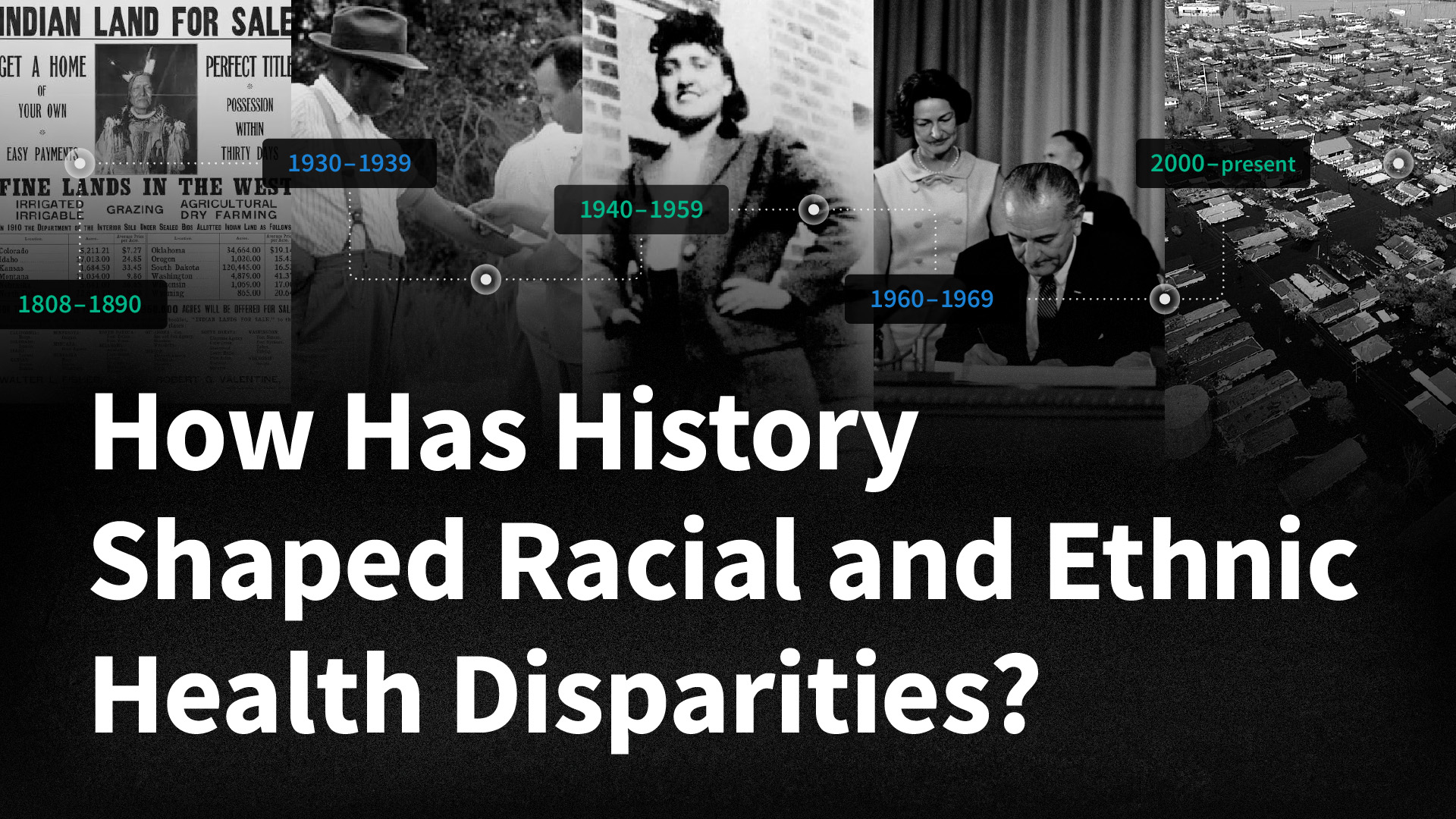
  • Timeline: How History Has Shaped Racial and Ethnic Health Disparities

    This timeline offers a historical view of significant U.S. federal policies and events spanning the early 1800s to today that have influenced present-day health disparities.
  • Health Policy 101: Chapter on Race, Inequality and Health

    Addressing persistent racial and ethnic disparities in health and health care is important for improving the nation’s health and economic prosperity. KFF explains such disparities and the factors that drive them, examines the actions to address them, and outlines future considerations.
  • Key Data on Health and Health Care by Race and Ethnicity

    Racial and ethnic disparities in health and health care remain a persistent challenge in the United States. An updated KFF resource examines how people of color fare compared to White people across 64 measures of health, health care, and social determinants of health.

Survey of Immigrants

KFF-New York Times Survey: Immigrants Report Rising Fear, Negative Economic and Health Impacts, and Changing Political Views During the First Year of President Trump’s Second Term

The 2025 Survey of Immigrants, a partnership between KFF and The New York Times, takes an in-depth look at the experiences of immigrants during the first year of President Trump’s second term, including their worries related to increased immigration enforcement, their health and economic wellbeing, and the political views and preferences of immigrant voters. The survey paints a portrait of families under strain — where fear of detention and economic instability are negatively impacting immigrants’ health and reshaping immigrant families’ daily lives and views of U.S. political parties.

Read the News Release | Explore The New York Times’ Reporting
Stay informed.

Stay informed.

Filter

281-290 of 608 results

  • Medicaid Financing Cliff: Implications for the Health Care Systems in Puerto Rico and USVI

    Issue Brief

    This brief provides an overview of the status of the health care systems and Medicaid programs in Puerto Rico and the U.S. Virgin Islands (USVI) about one and a half years after Hurricanes Irma and Maria struck the islands in September 2017. The hurricanes exacerbated the territories’ existing economic and health care challenges by accelerating outmigration of residents and health care providers and destroying homes, schools, health care facilities, and other infrastructure. After the storms,…

  • COVID-19 Cases, Deaths, and Vaccinations by Race/Ethnicity as of Winter 2022

    Issue Brief

    Over the course of the pandemic, racial disparities in cases and deaths have widened and narrowed. However, overall, Black, Hispanic, and American Indian and Alaska Native (AIAN) people have borne the heaviest health impacts of the pandemic. While Black and Hispanic people were less likely than their White counterparts to receive a vaccine during the initial phases of the vaccination rollout, these disparities have narrowed over time and reversed for Hispanic people.

  • Immigrants in the U.S. Continue to Face Health Care Challenges

    Feature

    June marks National Immigrant Heritage Month, which honors the contributions of immigrants to the U.S. As of 2020, there were close to 45 million immigrants residing in the U.S., accounting for 14% of the total U.S. population. Immigrants make up a significant part of the nation’s workforce and families yet face increased barriers to accessing health coverage and care. While citizens account for the majority of the nonelderly uninsured population, noncitizens are much more likely…

  • Monkeypox (MPX) Cases and Vaccinations by Race/Ethnicity

    Issue Brief

    A small number of states, as well as some local jurisdictions, are reporting race/ethnicity data on MPX cases and vaccinations and these data show a disproportionate impact of MPX cases on Black and Hispanic people. The data available to date on vaccinations also suggest that Black and Hispanic people are receiving smaller shares of vaccinations despite accounting for larger shares of cases.

  • Five Key Findings on Mental Health and Substance Use Disorders by Race/Ethnicity

    Issue Brief

    Rapidly rising rates of deaths by suicide and drug overdose among people of color, along with disproportionate impacts of the COVID-19 pandemic, further underscore inequities in access to mental health care and treatment and highlight the importance of centering equity in diagnostics, care, and treatment.

  • Health Coverage and Care in the South: A Chartbook

    Report

    The South has faced longstanding disparities in health and health care, although significant variation exists between southern states. As a group, compared to those in other regions, Southerners are more likely to be uninsured, less likely to have access to needed health services, and more likely to experience a number of chronic health conditions. This chartbook provides key data on the demographic and economic characteristics of the southern population as well as their health status,…

  • Health Coverage for the Hispanic Population Today and Under the Affordable Care Act

    Report

    The more than 50 million Hispanics living in the United States make up 17 percent of the total population and are the nation's fastest growing racial or ethnic group. Many Hispanics continue to face disparities in health coverage and care, and they have the highest uninsured rate among racial/ethnic groups, with nearly one in three lacking coverage. This brief provides an overview of the Hispanic population in the U.S., their health coverage today and the…

  • Vaccine Hesitancy Among Hispanic Adults

    Poll Finding

    Based on data from the KFF COVID-19 Vaccine Monitor, this poll finding explores attitudes among Hispanic Americans toward the coronavirus and a generational gap in willingness to get a potential vaccine.

  • Does Education Narrow the Gap in Wealth Among Older Adults, by Race and Ethnicity?

    Issue Brief

    This analysis of per capita income and assets among older adults in 2019 shows that differences in median per capita income among White, Black, and Hispanic adults ages 65 and older are narrower when comparing people with similar levels of education, although among college graduates, the gap in income continues to be wide between Hispanic and White seniors. The gaps in savings and home equity remain wide, and are particularly striking among seniors with less…

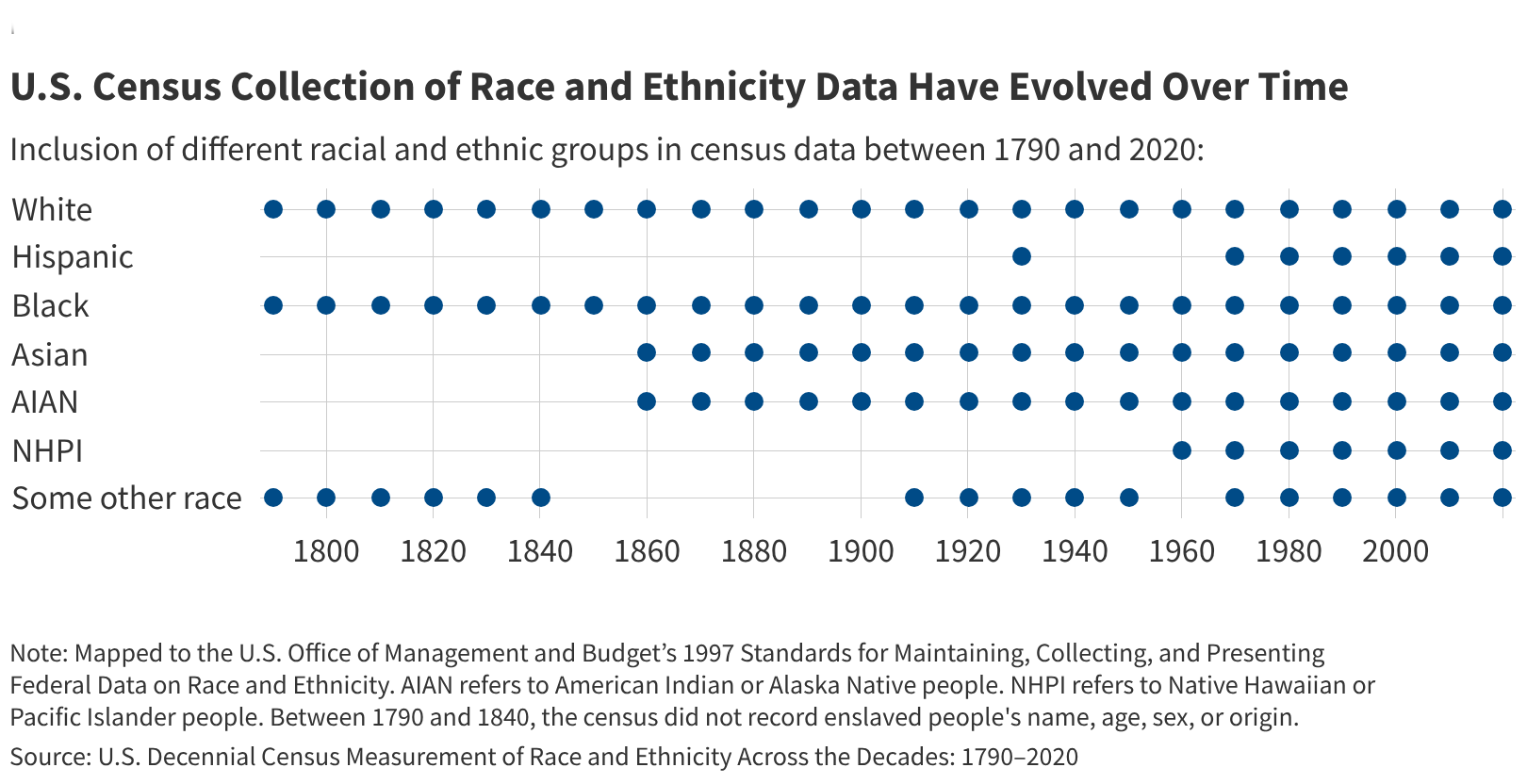
  • Advancing Health Equity Requires More and Better Data

    Policy Watch

    Increasing availability of high-quality comprehensive data disaggregated by race/ethnicity is a prerequisite for efforts to advance health equity, not only related to COVID-19 but in health and health care more broadly.