Racial Equity and Health Policy

the Essentials
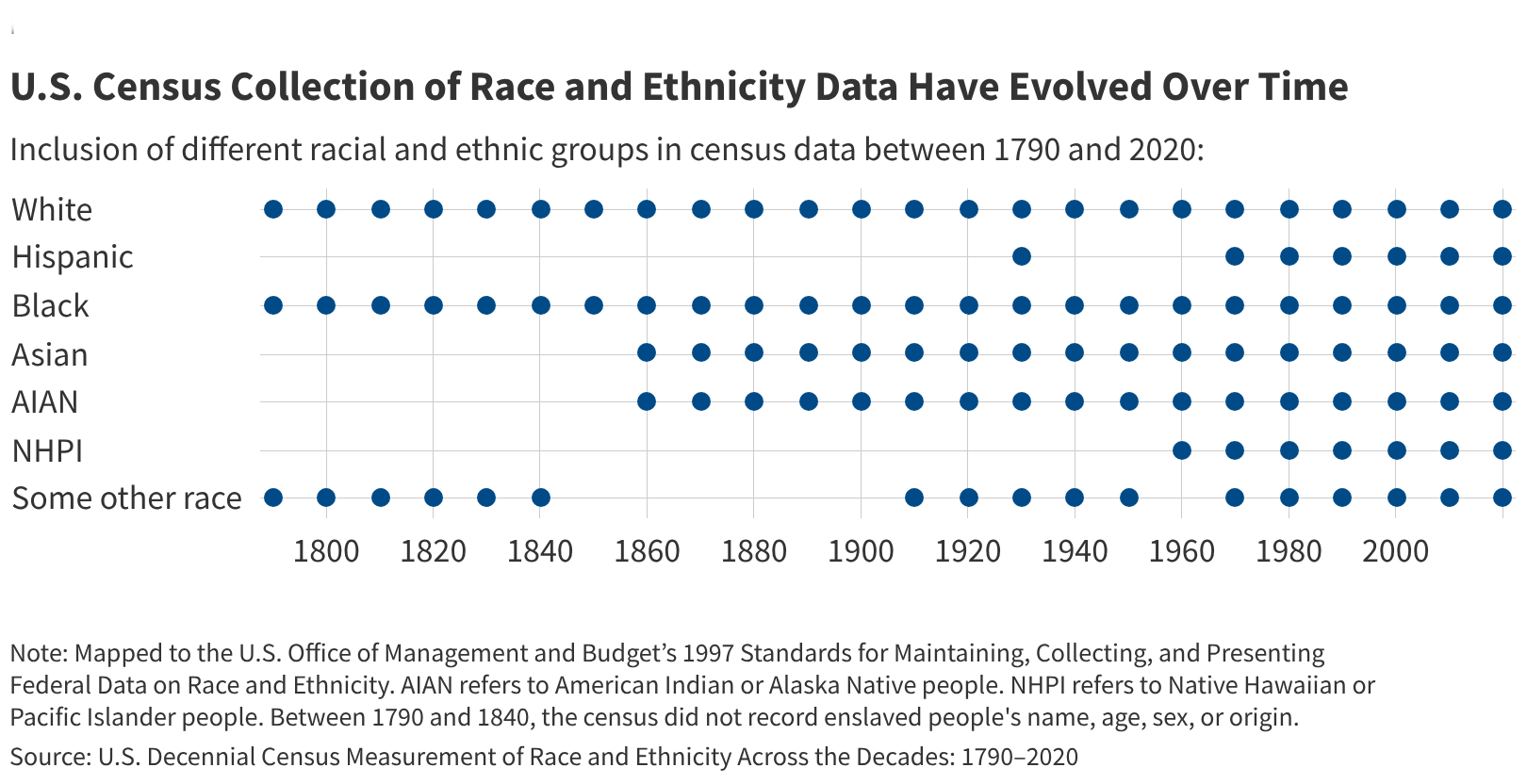
  • Health Coverage by Race and Ethnicity, 2010-2024

    There have been longstanding racial and ethnic disparities in health coverage that contribute to disparities in health. This brief examines trends in health coverage by race and ethnicity from 2010 through 2024 and discusses the implications for such disparities.
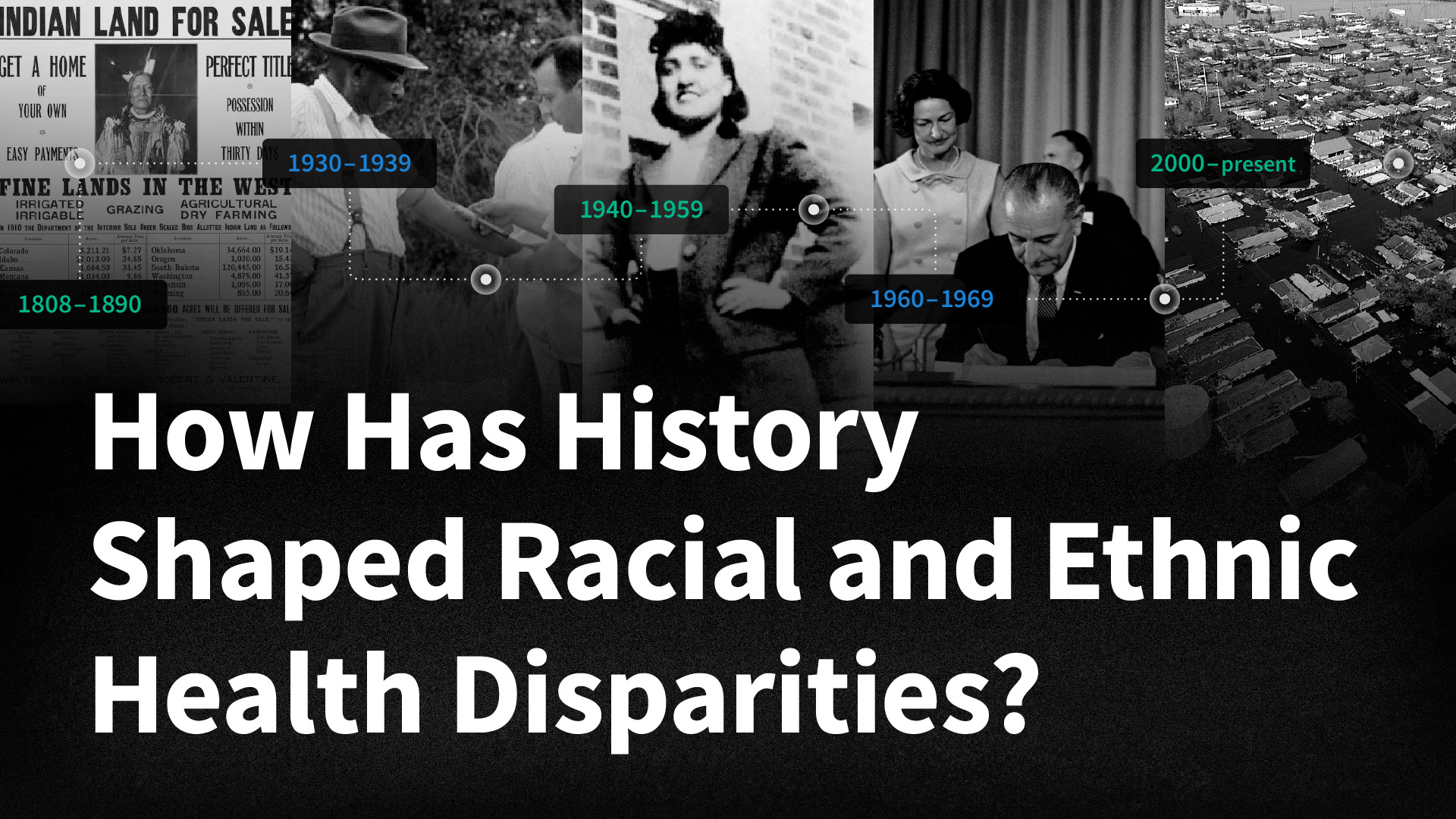
  • Timeline: How History Has Shaped Racial and Ethnic Health Disparities

    This timeline offers a historical view of significant U.S. federal policies and events spanning the early 1800s to today that have influenced present-day health disparities.
  • Health Policy 101: Chapter on Race, Inequality and Health

    Addressing persistent racial and ethnic disparities in health and health care is important for improving the nation’s health and economic prosperity. KFF explains such disparities and the factors that drive them, examines the actions to address them, and outlines future considerations.
  • Key Data on Health and Health Care by Race and Ethnicity

    Racial and ethnic disparities in health and health care remain a persistent challenge in the United States. An updated KFF resource examines how people of color fare compared to White people across 64 measures of health, health care, and social determinants of health.

Survey of Immigrants

KFF-New York Times Survey: Immigrants Report Rising Fear, Negative Economic and Health Impacts, and Changing Political Views During the First Year of President Trump’s Second Term

The 2025 Survey of Immigrants, a partnership between KFF and The New York Times, takes an in-depth look at the experiences of immigrants during the first year of President Trump’s second term, including their worries related to increased immigration enforcement, their health and economic wellbeing, and the political views and preferences of immigrant voters. The survey paints a portrait of families under strain — where fear of detention and economic instability are negatively impacting immigrants’ health and reshaping immigrant families’ daily lives and views of U.S. political parties.

Read the News Release | Explore The New York Times’ Reporting
Subscribe to KFF Emails

Choose which emails are best for you.
Sign up here

Filter

271 - 280 of 602 Results

  • Section 1115 Waiver Watch: Medicaid Pre-Release Services for People Who Are Incarcerated

    Issue Brief

    In April 2023, the Centers for Medicare and Medicaid Services (CMS) released guidance encouraging states to apply for a new Section 1115 demonstration opportunity to test transition-related strategies to support community reentry for people who are incarcerated. As of August 19, 2024, CMS has approved Section 1115 reentry waiver requests from 11 states, while 13 additional reentry waivers remain pending.

  • Understanding the Diversity in the Asian Immigrant Experience in the U.S.

    Poll Finding

    Asian immigrants represent an important significant and growing share of the U.S. population, as well as a diverse body of experiences. Increased data on Asian immigrant experiences is important for understanding their diversity of experiences and focusing initiatives, policies, and resources to address the challenges they face.

  • 3 Charts: Asian Immigrants’ Experiences in the United States

    News Release

    Like other immigrants to the U.S., Asian immigrants overwhelmingly say they emigrated for the opportunity to build a better life for themselves and their children. They come from more than 30 countries, and their experiences – their economic circumstance, how safe they feel, and the discrimination they face - vary greatly once here, including differences by income level, immigration status and country of origin. These three charts explore the diversity of the Asian immigrant experience,…

  • Health and Access to Care and Coverage for Lesbian, Gay, Bisexual, and Transgender (LGBT) Individuals in the U.S.

    Issue Brief

    Lesbian, gay, bisexual, and transgender (LGBT) individuals often face challenges and barriers to accessing needed health services and, as a result, can experience worse health outcomes. These challenges can include stigma, discrimination, violence, and rejection by families and communities, as well as other barriers, such as inequality in the workplace and health insurance sectors, the provision of substandard care, and outright denial of care because of an individual’s sexual orientation or gender identity. This issue…

  • Michigan’s Medicaid Section 1115 Waiver to Address Effects of Lead Exposure in Flint

    Fact Sheet

    On February 13, 2016, Governor Rick Snyder submitted a Medicaid Section 1115 Waiver proposal to the Centers for Medicare and Medicaid Services (CMS) to address issues related to lead exposure in Flint, Michigan. This fact sheet provides some insight into the situation in Flint, Michigan, the history of Medicaid disaster relief waivers and the details of the Medicaid waiver request.

  • Health Coverage and Care of Undocumented Immigrants

    Issue Brief

    Recently, many of the Democratic presidential candidates indicated support for expanding health coverage to undocumented immigrants. To help inform the implications of such an expansion, this brief provides an overview of current health coverage and care for undocumented immigrants

  • Analysis: Immigrants Living along the Texas Gulf Coast Hit Hard Financially Following Hurricane Harvey

    News Release

    Immigrants living along the Texas Gulf Coast were more likely than their U.S.-born neighbors to suffer employment and income losses as a result of Hurricane Harvey (64% vs. 39%), a new Kaiser Family Foundation/Episcopal Health Foundation analysis finds. The analysis examines differences between immigrants and U.S.-born families based on a fall KFF/EHF survey of residents in 24 Texas counties hit hard by Hurricane Harvey in August 2017. Other findings include: Immigrants were more likely to…