Public Opinion

Health Tracking Poll

Health Care Costs Tops the Public’s Economic Worries as the Runup to the Midterms Begins

Heading into this midterm election year, the cost of health care tops the public’s economic anxieties and more than 4 in 10 voters say the issue will have a major impact on their vote. Voters, including independents, currently trust Democrats more than Republicans to address the cost of health care and most other health care issues, though neither party has an advantage on addressing the overall cost of living. Read the News Release.

Recent Polls

2025 KFF Marketplace Enrollees Survey

Poll Finding

This survey explores how ACA Marketplace enrollees expect to respond if their premium payments doubled as expected in 2026 when enhanced premium tax credits are set to expire. About a third would very likely look for a lower-cost plan, even if it had higher deductibles, and about a quarter would very likely end up uninsured. The survey also examines how increased health care costs may affect their finances and the potential impact in next year’s elections.

Knowledge and Views of Medication Abortion

This KFF Health Tracking Poll finds that many, including women of reproductive age, remain unfamiliar with key facts about mifepristone. Fewer than half of all adults say they believe abortion pills are safe now, compared to over half of all adults two years ago. This poll explores awareness and perception of the recent FDA review of the medication, and support for policies aimed at restricting it.

KFF-Washington Post Survey Explores Parents’ Trust In, and Confusion About, Childhood Vaccines

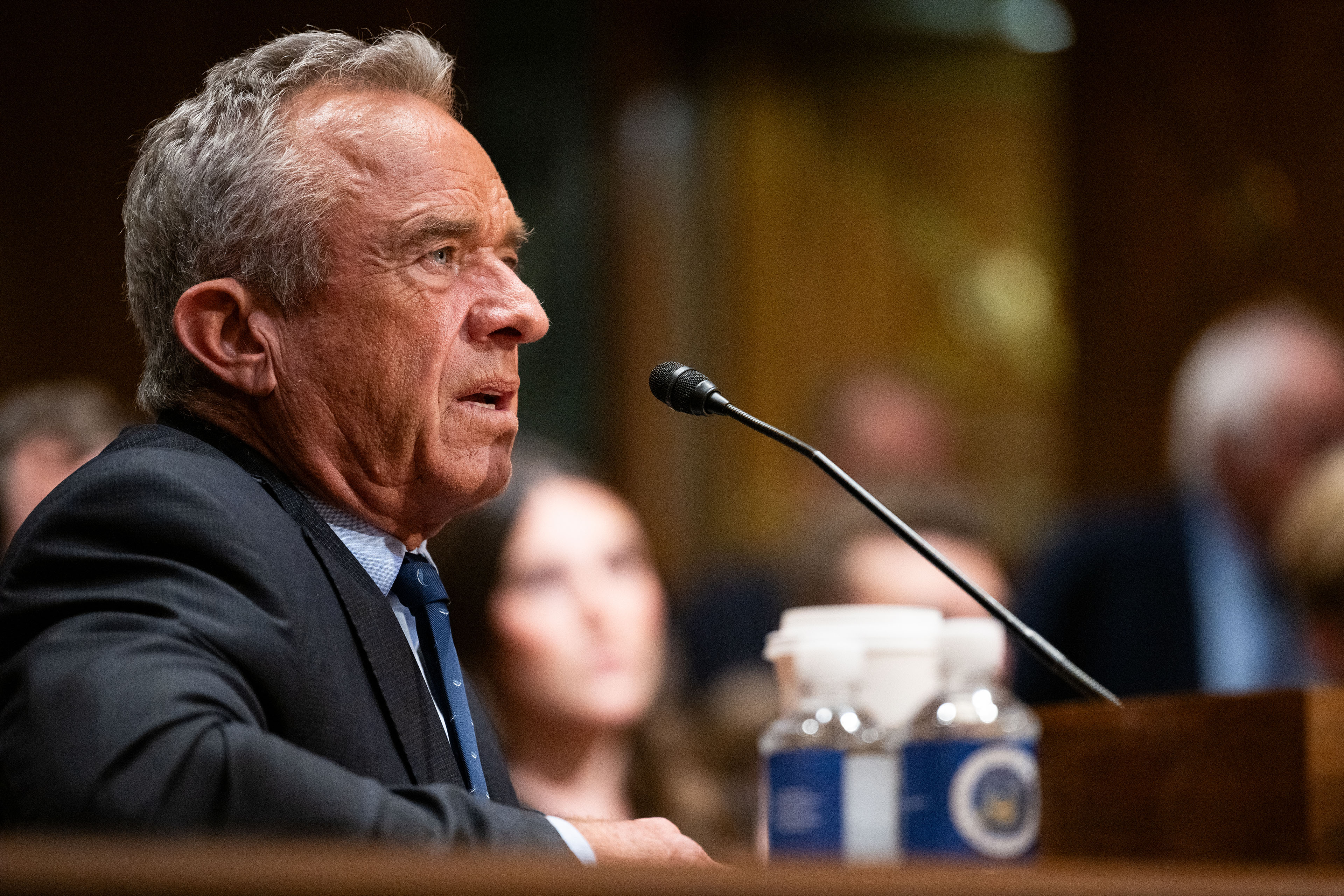
The KFF-Washington Post partnership Survey of Parents explores experiences and views pertaining to childhood vaccines. The Survey of Parents also sheds light on school vaccination requirements, views on federal health agencies and policy changes, and the views of parents with children diagnosed with autism spectrum disorder. This poll comes as the Trump administration revamps federal policies, and HHS Secretary Robert F. Kennedy Jr. continues to question the childhood vaccine schedule.

KFF/New York Times Survey of Immigrants

KFF-New York Times Survey: Immigrants Report Rising Fear, Negative Economic and Health Impacts, and Changing Political Views During the First Year of President Trump’s Second Term

The 2025 Survey of Immigrants, a partnership between KFF and The New York Times, takes an in-depth look at the experiences of immigrants during the first year of President Trump’s second term, including their worries related to increased immigration enforcement, their health and economic wellbeing, and the political views and preferences of immigrant voters. The survey paints a portrait of families under strain — where fear of detention and economic instability are negatively impacting immigrants’ health and reshaping immigrant families’ daily lives and views of U.S. political parties.

Read the News Release | Explore The New York Times’ Reporting

the essentials

Health Tracking Poll

Our signature survey project provides up-to-date data on the public’s health care views, knowledge, and experiences.

Survey Question Finder

Search all KFF polls since 1992 by keyword and date to find full question wording and results.

Health Information and Trust Tracking Poll

The Health Information and Trust Tracking Poll is part of KFF’s Health Information and Trust Initiative, which tracks health misinformation and analyzes its impact on the public.

Polls in Health Policy

This chapter of our digital “textbook” explores why surveys are essential for understanding health policy issues. 

Subscribe to KFF Emails

Choose which emails are best for you.
Sign up here

Filter

841 - 850 of 1,817 Results

  • Data Note: Gearing Up For Round 2 of Open Enrollment: Some Lessons From Round 1

    Poll Finding

    As the second round of open enrollment approaches, policy makers, journalists, insurers and enrollment groups may want to keep in mind what health insurance shoppers told us about their experiences during the first open enrollment period. This data note examines selected findings from two Kaiser Family Foundation surveys that shed light on how people navigated the new options and choices available under the ACA during last fall’s open enrollment, with the hope of helping to inform our understanding of individuals needs during this second open enrollment period.

  • ACA Advertising in 2014 – Insurance and Political Ads

    Report

    This study analyzes the volume and content of political ads mentioning health care issues that aired in 2014 through Oct. 15, as well as health insurance spots promoting specific insurance products or encouraging enrollment in marketplace plans. It finds that about 14 percent of political ads in all races mention the Affordable Care Act, Obamacare or any of the law's specific provisions, mostly in a negative way.

  • Poll: Obamacare Is Not a Big Issue With Midterm Voters

    From Drew Altman

    In this column for The Wall Street Journal’s Think Tank, Drew Altman analyzes recent polling data on the Affordable Care Act and discusses why it will not be a significant factor in next week’s midterm election.

  • Poll: Obamacare Is Not a Big Issue With Midterm Voters

    News Release

    In his latest column for The Wall Street Journal’s Think Tank, Drew Altman analyzes recent polling data on the Affordable Care Act and discusses why it will not be a significant factor in next week’s midterm election. All previous columns by Drew Altman are available online.

  • Data Note: Update On Public Confidence In U.S. Health Institutions To Deal With Ebola

    Feature

    The October Kaiser Health Tracking Poll found that majorities of the public said that if a case of Ebola were diagnosed in their area, they would have a “great deal” or a “fair amount” of confidence in state, local, and federal health authorities to contain the disease and prevent it from spreading. Given the evolving news story, we re-surveyed the public from October 17-19 to determine whether confidence in health authorities to prevent the spread of Ebola has changed in light of more recent developments.

  • Kaiser Health Tracking Poll: October 2014

    Feature

    In the final Kaiser Health Tracking Poll before the 2014 midterm elections in November, the Affordable Care Act (ACA) continues to be just one of several issues on voters’ minds. Less than 1 in 10 registered voters identify the ACA as the most important issue to their vote, ranking behind the economy, dissatisfaction with government, education and the situation in Iraq and Syria. With the ACA’s second open enrollment period approaching, the poll also finds the uninsured are not yet tuned in. About 9 in 10 of the uninsured are unaware of when the next open enrollment period begins, two thirds say they know “only a little” or “nothing at all” about the marketplaces, and just over half are unaware of financial assistance available.

  • Nine in Ten Uninsured Unaware that the Affordable Care Act’s Second Open Enrollment Period Starts in November

    News Release

    Most of Those Without Health Coverage Report Knowing Little or Nothing About the Insurance Marketplaces or About the Financial Assistance Available to Low- and Moderate-Income Families Broader Public Opinion on the Law Still Tilts Unfavorably, Though Gap Has Narrowed Since July and Returned to Pre-Rollout Levels With the second annual open enrollment period under the…

  • Kaiser Health Policy News Index: Special Focus On Ebola

    Feature

    With the Ebola outbreak in West Africa and individual cases in the U.S. and Europe making international headlines, the latest Kaiser Health Policy News Index examines Americans’ attention to the Ebola crisis, awareness of key facts about the disease, and views of the U.S. role in addressing Ebola in Africa and at home.