Medicaid

new and noteworthy

Medicaid work requirements

Medicaid and the Road Ahead: Spending Cuts, Work Requirements and What’s Next for States, Providers and Families

Event Date:

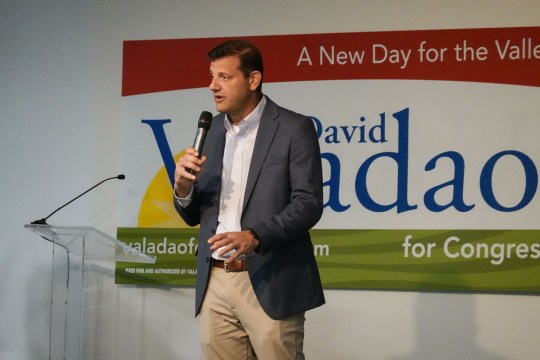
Passed last year, President Trump’s One Big Beautiful Bill Act made significant changes to Medicaid—the primary insurance provider for health and long-term care for people with low incomes. These changes are expected to lead to coverage loss for many current enrollees and will reduce funding for Medicaid, placing new financial pressures on states and health care providers. On July 23, KFF and States Newsroom hosted an event focused on the impacts of work requirements and other federal policy changes on states, health care systems, and people.

understanding medicaid

Medicaid Financing

Medicaid represents $1 out of every $5 spent on health care in the U.S. and is the major source of financing for states to provide health coverage and long-term care. This brief examines key questions about Medicaid financing and how it works.

Medicaid Program Integrity

This brief explains what is known about improper payments and fraud and abuse in Medicaid and describes ongoing state and federal actions to address program integrity.

Medicaid and Provider Taxes

All states except Alaska cover some state Medicaid costs with taxes on health care providers. This brief describes states’ current provider taxes and explores how rules governing provider taxes are changing.

Medicaid and Hospitals

Absorbing reductions in Medicaid spending could be challenging for hospitals, particularly for those that are financially vulnerable. This brief provides data on the reach of Medicaid across hospitals, patients, and charity care.

Medicaid Home Care

This issue brief provides an overview of what Medicaid home care (also known as “home- and community-based services”) is, who is covered, and what services were available in 2025.

Dual Eligibles

Stay informed.

Stay informed.

Filter

811 - 820 of 2,738 Results

  • What Happens When Public Coverage Is No Longer Available?

    Issue Brief

    This policy brief examines national data to determine the share of current enrollees of public health coverage programs who would have alternate coverage options if public coverage were no longer available. The authors estimate that no more than 9 percent of low-income adults would have access to an alternative source of insurance in the absence of public coverage. This research suggests that the vast majority of current enrollees affected by cutbacks in eligibility for public…

  • Medicaid: What to Watch in 2019 from the Administration, Congress, and the States

    Issue Brief

    Medicaid, the provider of health insurance coverage for about one in five Americans and the largest payer for long-term care services in the community and nursing homes, continues to be a key part of health policy debates at the federal and state level. Important Medicaid issues to watch in 2019 include Medicaid expansion developments amid ongoing litigation about the ACA’s constitutionality as well as Medicaid demonstration waiver activities, including those focused on work requirements and…

  • A Comprehensive Review of Research Finds That the ACA Medicaid Expansion Has Reduced the Uninsured Rate and Uncompensated Care Costs in Expansion States, While Increasing Affordability and Access to Care and Producing State Budget Savings   

    News Release

      Multiple studies over the last five years find that the Affordable Care Act’s Medicaid expansion has increased health coverage, affordability, and access to care while producing budget savings for states and reductions in uncompensated care costs for hospitals and clinics, according to a KFF review of more than 300 studies and policy reports. Thirty-six states and the District of Columbia have adopted the ACA Medicaid expansion. The literature review provides a useful reference on…

  • Community Health Center Financing: The Role of Medicaid and Section 330 Grant Funding Explained

    Issue Brief

    This issue brief describes the two primary sources of health center revenue—Medicaid and Section 330 grant funding. The evolution of these funding streams has contributed to significant growth in the health center program, enabling expanded services to millions of additional residents of the nation’s most medically underserved rural and urban communities.

  • Atención de salud en Puerto Rico y las Islas Vírgenes de los Estados Unidos: una revisión, a seis meses de las tormentas (Informe)

    Issue Brief

    Puerto Rico y las Islas Vírgenes de los Estados Unidos (USVI) sufrieron daños significativos en su infraestructura y sistemas de salud a causa del impacto de los huracanes Irma y María en septiembre de 2017. Basándose en entrevistas con residentes, partes interesadas clave, y en informes públicos, este informe proporciona una visión general del estado de los esfuerzos de recuperación, a seis meses de las tormentas, con un enfoque en los sistemas de atención médica.

  • Ensuring Access to Care in Medicaid Under Health Reform

    Issue Brief

    This paper examines the key issues raised in a December 2010 roundtable discussion of federal and state officials and experts convened by the Kaiser Commission on Medicaid and the Uninsured to examine important issues related to ensuring access to care in Medicaid under the Patient Protection and Affordable Care Act (ACA). The ACA expands Medicaid to reach millions of low-income uninsured Americans and, recognizing current serious access problems system-wide, takes significant steps to build capacity…

  • Low-Income Medicare Beneficiaries: How the House and Senate Prescription Drug Bills Address Their Drug Needs

    Report

    The House and Senate versions of a Medicare prescription drug bill treat the drug costs of those dually-eligible for Medicare and Medicaid and other low-income Medicare beneficiaries quite differently. The Kaiser Commission on Medicaid and the Uninsured cosponsored a policy briefing on the key issues in the two bills that would impact low-income beneficiaries and released a brief and background report on the topic. A Prescription Drug Benefit in Medicare: Implications for Medicaid and Low-Income…

  • Health Care and the 2004 Elections

    Other Post

    ** Update: For information on health care and the 2008 election, visit www.health08.org. ** Health care issues continue to be important for many Americans and a vital part of the policy debates in Washington and around the country. During an election season, candidates propose and debate their solutions for the pressing policy issues facing their constituents. The 2004 election season is no different and the Kaiser Family Foundation is issuing informational materials on some of…

  • Dual Eligibles:  Medicaid’s Role for Low-Income Medicare Beneficiaries

    Fact Sheet

    Dual Eligibles: Medicaid's Role for Low-Income Medicare Beneficiaries This fact sheet and set of tables describe the over 7 million “dual eligibles,” the low-income elderly and persons with disabilities who are enrolled in both Medicare and Medicaid. The fact sheet describes why this population needs Medicaid, what services they receive from Medicaid, and the current policy challenges related to dual eligibles, including the new Medicare prescription drug benefit. The set of tables, prepared by the…