Medicaid

Medicaid work requirements

Tracking the 2025 Reconciliation Law’s Medicaid Work Requirements: Data and Policies

To implement Medicaid work requirements, states will need to make important policy and operational decisions, implement needed system upgrades or changes, develop new outreach and education strategies, and hire and train staff, all within a relatively short timeframe. The information tracked here can serve as a resource to understand Medicaid work requirements and state options, gauge readiness, and track implementation of the requirements.

new and noteworthy

understanding medicaid

Medicaid Financing

Medicaid represents $1 out of every $5 spent on health care in the U.S. and is the major source of financing for states to provide health coverage and long-term care. This brief examines key questions about Medicaid financing and how it works.

Medicaid Program Integrity

This brief explains what is known about improper payments and fraud and abuse in Medicaid and describes ongoing state and federal actions to address program integrity.

Medicaid and Provider Taxes

All states except Alaska cover some state Medicaid costs with taxes on health care providers. This brief uses data from KFF’s 2024-2025 survey of Medicaid directors to describe current practices and the federal rules governing them.

Medicaid and Hospitals

Absorbing reductions in Medicaid spending could be challenging for hospitals, particularly for those that are financially vulnerable. This brief provides data on the reach of Medicaid across hospitals, patients, and charity care.

Medicaid Home Care

This issue brief provides an overview of what Medicaid home care (also known as “home- and community-based services”) is, who is covered, and what services were available in 2025.

Stay informed.

Stay informed.

Filter

481 - 490 of 2,723 Results

  • Insurance Coverage of OTC Oral Contraceptives: Lessons from the Field

    Report

    This report is based on 35 structured interviews conducted from January to August 2023, with nearly 80 experts and key players such as pharmacists, health plans, and state Medicaid officials involved in the coverage and provision of OTC contraception in seven states with one or more of these coverage approaches (IL, NJ, NM, NY, OR, UT, and WA). It discusses the challenges and successes in coverage under private health insurance and Medicaid and reviews policy…

  • Understanding Medicaid Procedural Disenrollment Rates

    Policy Watch

    State Medicaid unwinding data show procedural disenrollment rates are high across most states. This policy watch provides insights for interpreting the data and describes steps the Centers for Medicare and Medicaid Services (CMS) and states are taking to reduce procedural disenrollments. 

  • Do State Decisions to Prioritize Renewals for Medicaid Enrollees Who are Likely Ineligible Affect Early Disenrollment Rates?

    Policy Watch

    Some states are prioritizing Medicaid renewals for enrollees flagged as likely to be ineligible. Early data from Arizona, Idaho, and Pennsylvania show disenrollment rates for flagged enrollees are higher than for other enrollees. This analysis considers why different state approaches to renewals may explain some – but not all – variation in disenrollment rates across the U.S.

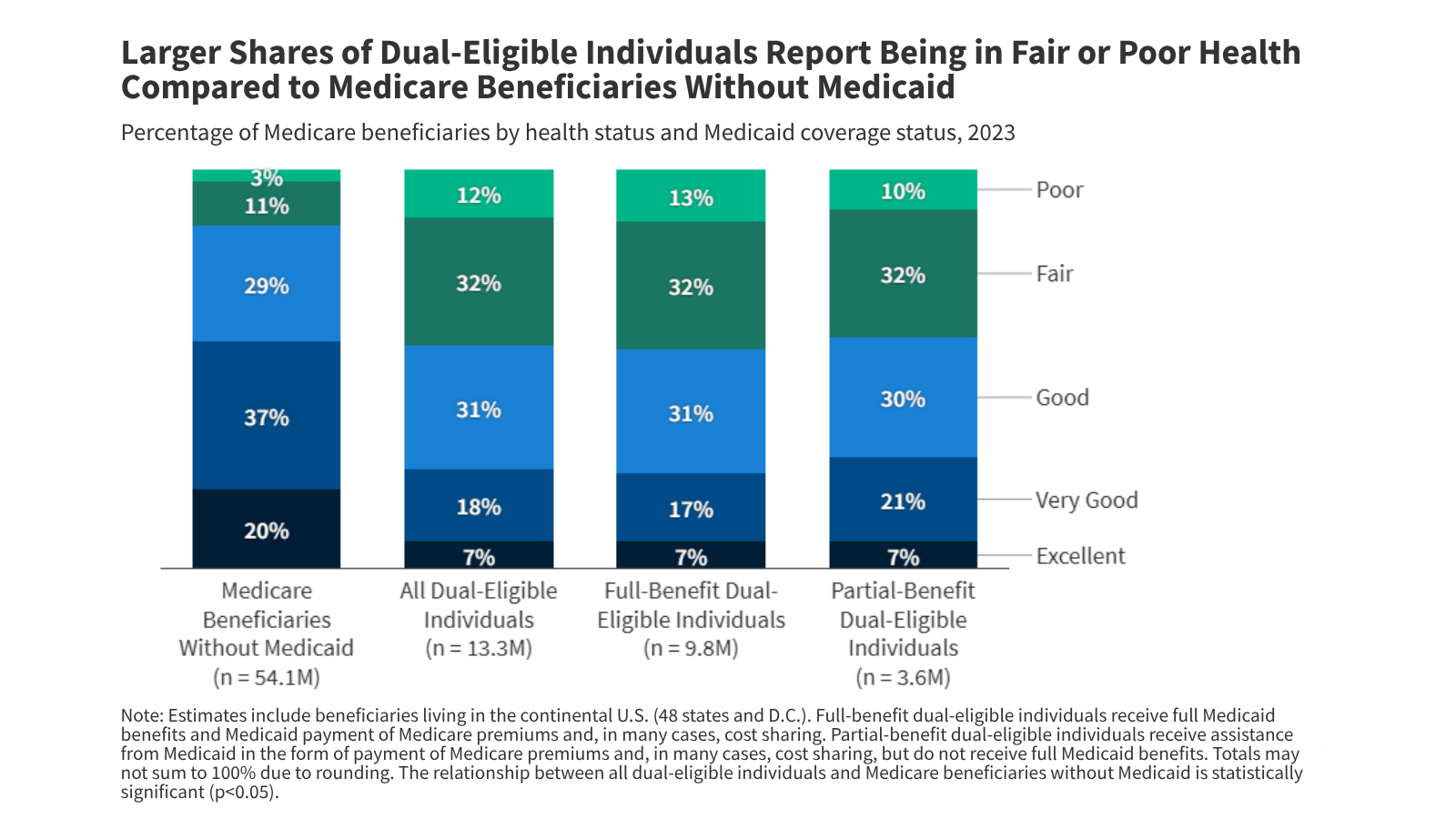
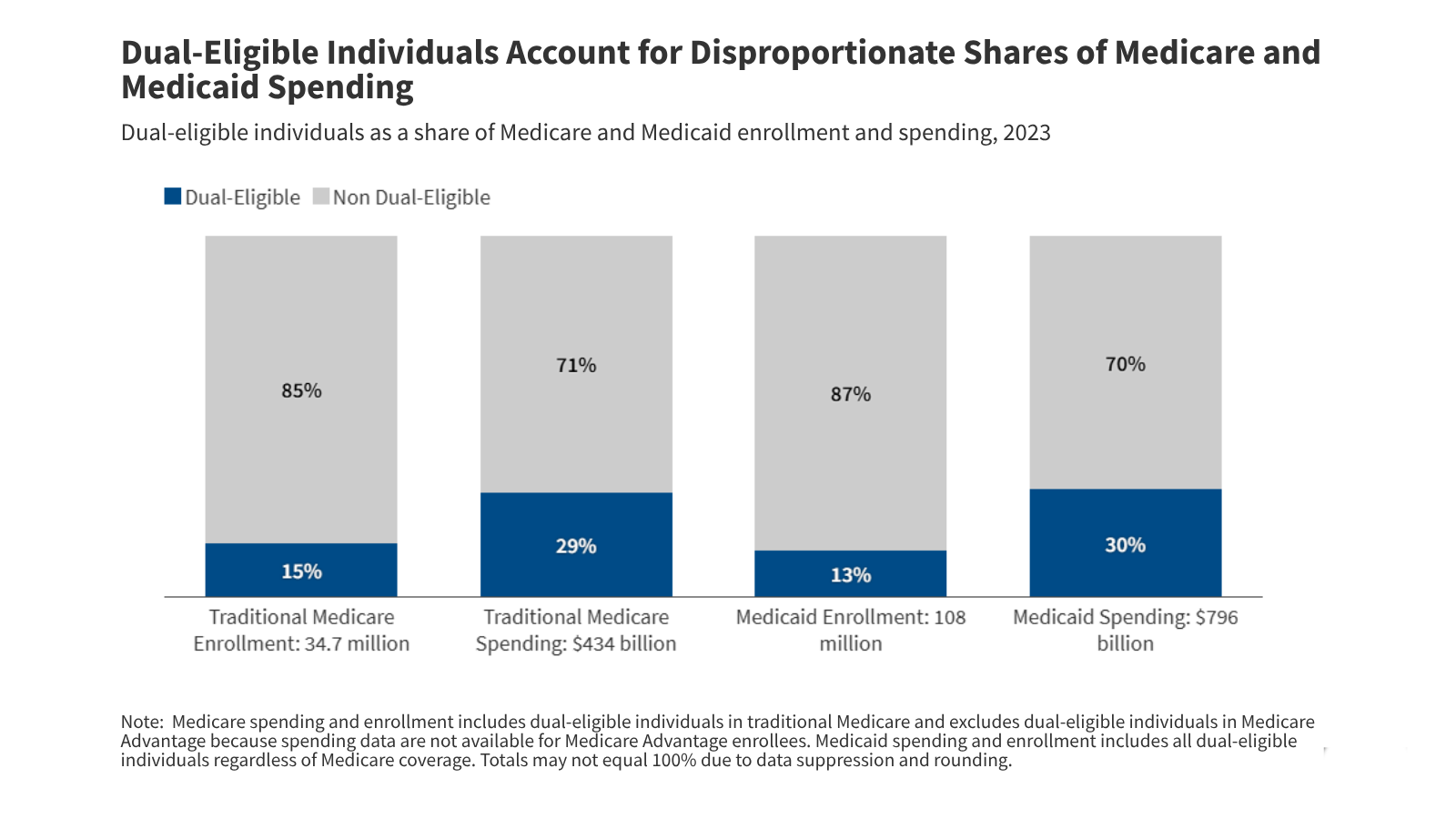
  • How Do Dual-Eligible Individuals Get Their Medicare Coverage?

    Issue Brief

    People who are dually eligible for both Medicare and Medicaid coverage can get their Medicare coverage in a variety of ways. The brief breaks out the data for traditional Medicare, Medicare Advantage plans that are available to all Medicare beneficiaries, and plans that are designed specifically for dual-eligible beneficiaries.

  • New OIG Report Examines Prior Authorization Denials in Medicaid MCOs

    Policy Watch

    Congress asked the U.S Department of Health and Human Services (HHS) Office of the Inspector General (OIG) to investigate whether Medicaid MCOs are providing medically necessary health care services to their enrollees. OIG found that Medicaid MCOs had an overall prior authorization denial rate of 12.5%–more than 2 times higher than the Medicare Advantage rate. Prior authorization denial rates ranged widely across and within parent firms and states. After a prior authorization request is denied,…

  • Health Care Issues in the Early Stages of the 2024 Election

    Perspective

    In this JAMA Health Forum column, Larry Levitt examines differences in the Republican presidential candidates’ records and positions on health issues, including Medicaid and abortion, that could play a role in the primaries and would set up a sharp contrast in the general election against President Biden.