Health Information and Trust
The monitor
KFF’s latest Tracking Poll on Health Information and Trust finds that one-third of the public report using AI chatbots for health information and advice in the past year, similar to the share who have relied on social media for health. One in five adults who use AI for health cite difficulties accessing or affording health care as reasons they turned to these chatbots, including larger shares of younger and lower income users.
This edition of The Monitor also explores how a federal judge suspended the appointments of thirteen members of ACIP, halting a scheduled meeting and staying recent, widely debated, changes to the childhood vaccine schedule.
Officials Amplify Fluoride Concerns as Federal Review and State Restrictions Advance
The EPA launched the next step of its fluoride safety review, as more states move to ban community water fluoridation and senior officials amplify concerns about fluoride beyond what current evidence supports. The Monitor also explores AI policy and content moderation, including the practice of GEO to influence what AI chatbots say.
Polling
1 in 3 Adults Are Turning to AI Chatbots for Health Information; 1 in 5 Cite Affordability and Access Concerns as Major Reasons
About a third of adults nationally say they have turned to artificial intelligence (AI) chatbots in the past year for health information. Most who turned to AI for health information say they were in search of quick and immediate advice, though challenges affording and accessing health care also play a role, particularly for younger adults.
Dashboard: Polling on Health Information and Trust
Drawing on KFF’s poll findings, this interactive dashboard tracks the public’s trusted sources for health information, attitudes toward vaccines, and use of news, social media, and AI for health-related information.
Trust in the CDC Remain at Low Point After Changes to Vaccine Recommendations
Weeks after the Trump administration reduced the number of childhood vaccine recommended for routine use, public trust in the CDC is at its lowest since the COVID-19 pandemic, and less than half are confident in federal agencies’ ability to make such recommendations. Read the News Release.
Latest News
-
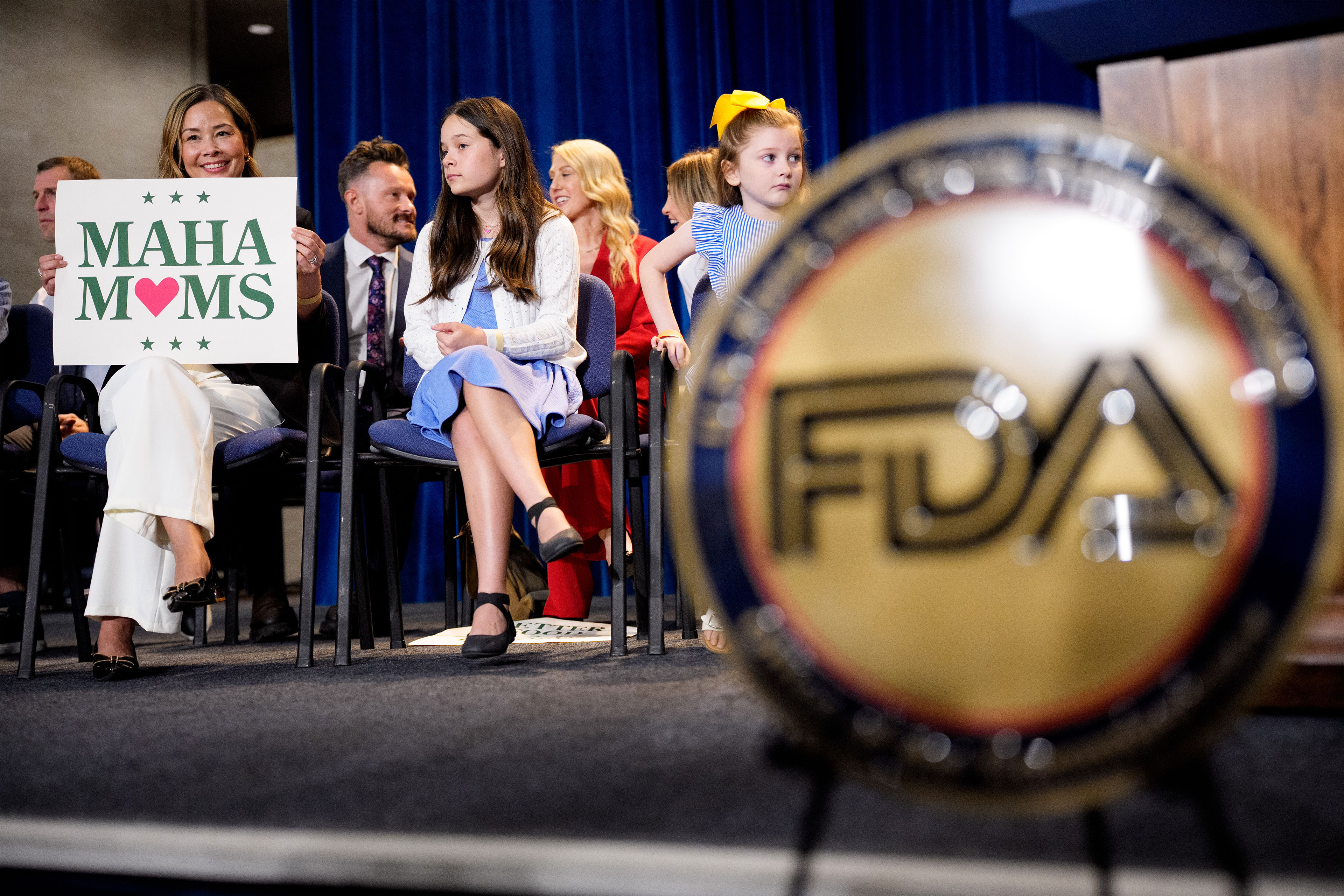
Republicans Fret Over RFK Jr.’s Anti-Vaccine Policies While MAHA Moms Stew
-
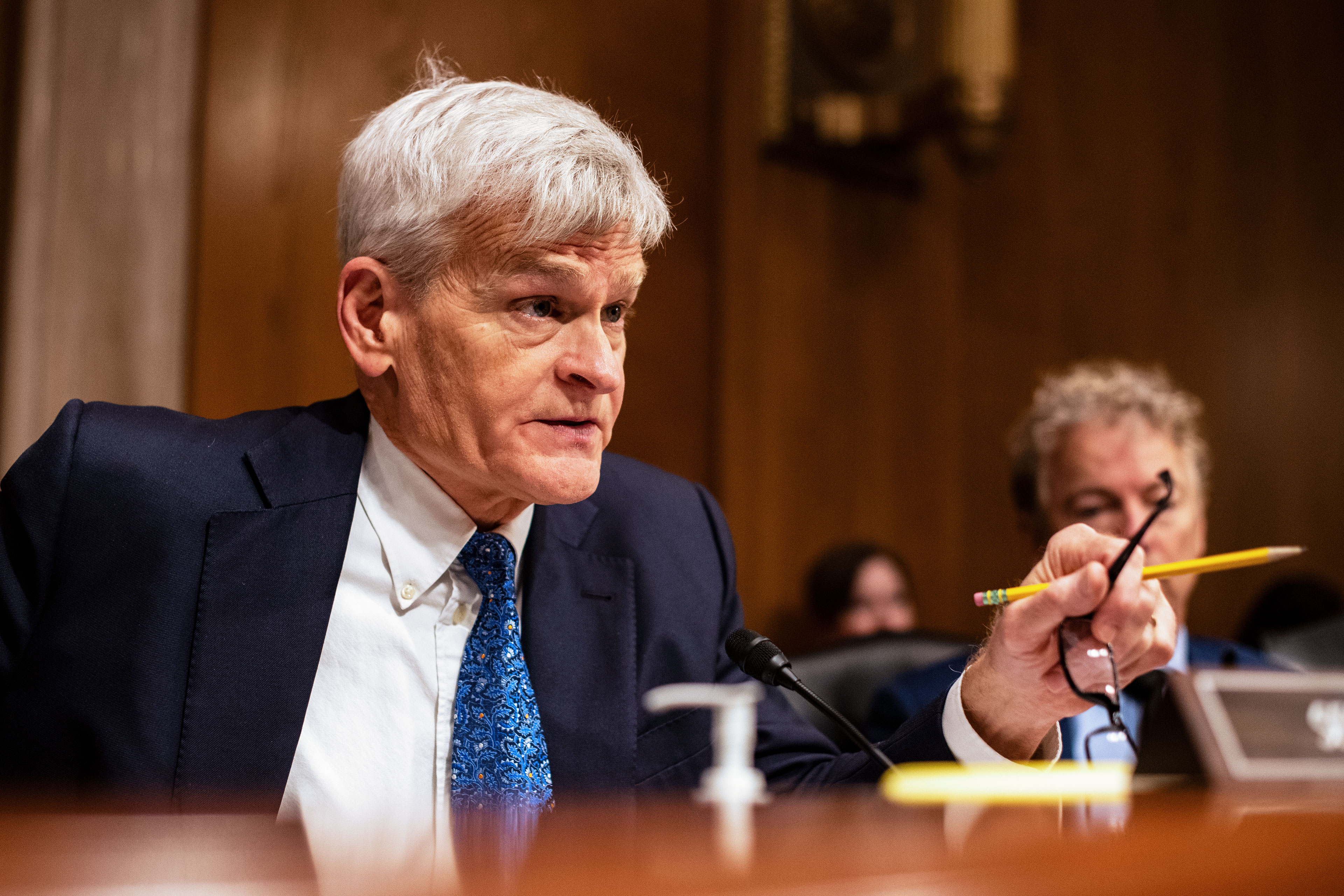
This Doctor-Senator Who Backed RFK Jr. Now Faces a Fight for His Job — And His Legacy
-

RFK Jr. Made Promises in Order To Become Health Secretary. He’s Broken Many of Them.
-

US Cancer Institute Studying Ivermectin’s ‘Ability To Kill Cancer Cells’
Subscribe to KFF Emails
Choose which emails are best for you.
Sign up here